If you’ve spent any time in dachshund circles — at the dog park, in a Facebook group, or just scrolling through photos of other people’s wiener dogs — you’ve probably noticed there’s a lot more going on color-wise than the classic red dachshund most of us picture first. I get asked about this constantly: “What color is my dachshund, actually?” “Is dapple a health risk?” “Why does my breeder call my puppy a ‘piebald’ when he just looks spotty to me?” So I wanted to put together the guide I wish someone had handed me years ago — a plain-English rundown of every dachshund color and pattern, what they mean, and the one pattern combination every responsible owner and breeder needs to understand before it ever comes up.
A quick note before we dive in: coat color and coat type (smooth, wirehaired, or longhaired) are two completely separate things. A dachshund can be any color in any coat type. This guide is strictly about color and pattern — if you want the coat-type side of things, I’ll point you to a couple of our other guides along the way.
The Base Colors: What’s “Standard” for a Dachshund
The AKC breed standard recognizes a specific list of base colors for dachshunds. These are the colors a dog can be before we start layering patterns on top:
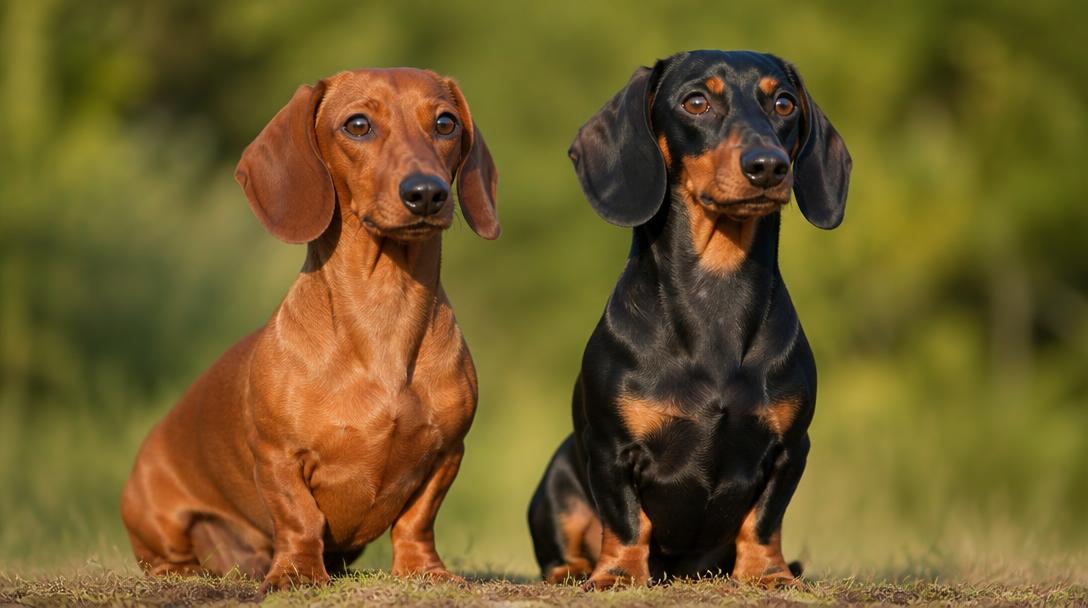
- Red — The color most people picture. Ranges from a deep, almost mahogany red to a lighter golden-red. This is the most common color and the one that shows up most often in media and advertising.
- Cream — A pale, almost blonde shade. Cream dachshunds often have very little black shading anywhere on the body, which is one way to tell them apart from a light red.
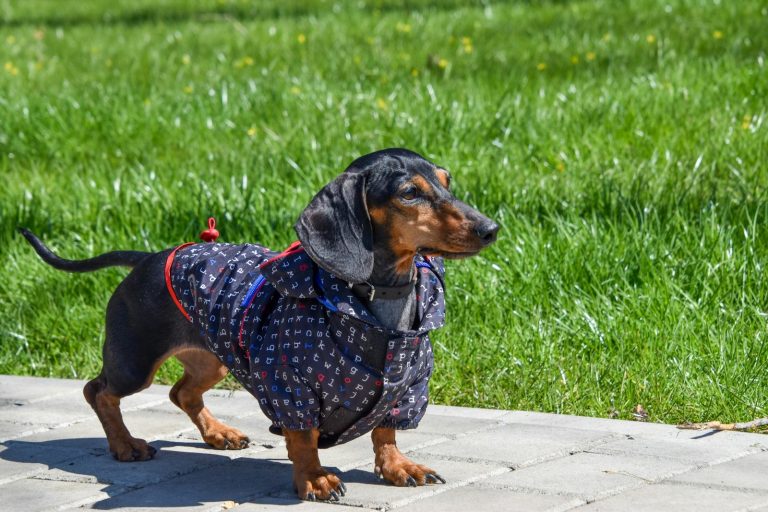
- Black and Tan — A black body with tan (rust-colored) markings over the eyes, on the muzzle, chest, legs, and under the tail. This is the second most recognizable color after red.
- Chocolate and Tan — Same pattern as black and tan, but with a rich brown base instead of black. Chocolate dachshunds typically have amber or hazel eyes rather than dark brown.
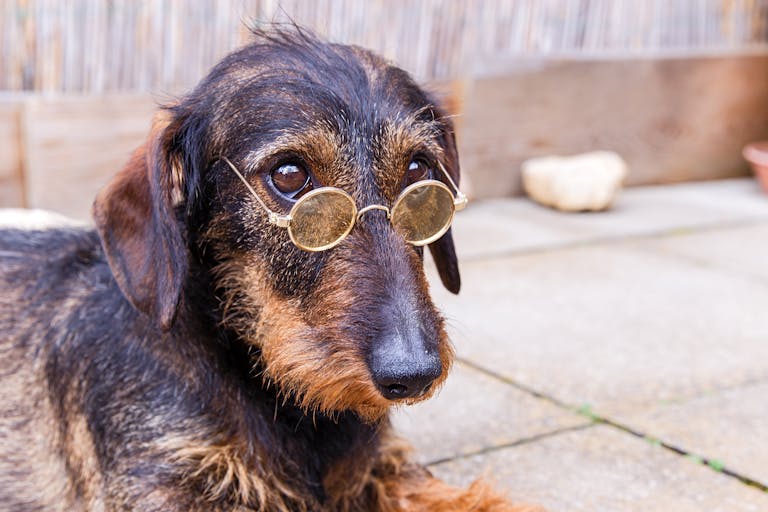
- Wild Boar — A grizzled, agouti-style coat most commonly seen on wirehaired dachshunds, where individual hairs carry bands of different colors. It gives a somewhat “salt and pepper” wolfish look.
- Blue and Tan — A diluted black that reads as a soft blue-gray, again with tan markings. Blue is a dilution color, which matters more than most owners realize (more on that below).
- Isabella (Fawn) and Tan — A diluted chocolate that reads as a warm taupe or fawn color. Like blue, this is a dilution color.
Here’s the part that trips a lot of owners up: blue and Isabella are both produced by a dilution gene, and dogs carrying two copies of certain dilution genes are statistically more prone to a skin condition called color dilution alopecia — patchy hair thinning and increased skin sensitivity. It’s not guaranteed, and plenty of blue and Isabella dachshunds live with perfectly healthy coats their whole lives, but if you have one of these colors, it’s worth mentioning to your vet at a routine visit so they know to keep an eye on skin and coat condition over time.
Coat Patterns: Where It Gets Interesting
Once you’ve got a base color, a dachshund can also carry a pattern on top of it. This is where “dapple,” “piebald,” and “brindle” come in — and where the health conversation really matters.
Dapple (Merle)
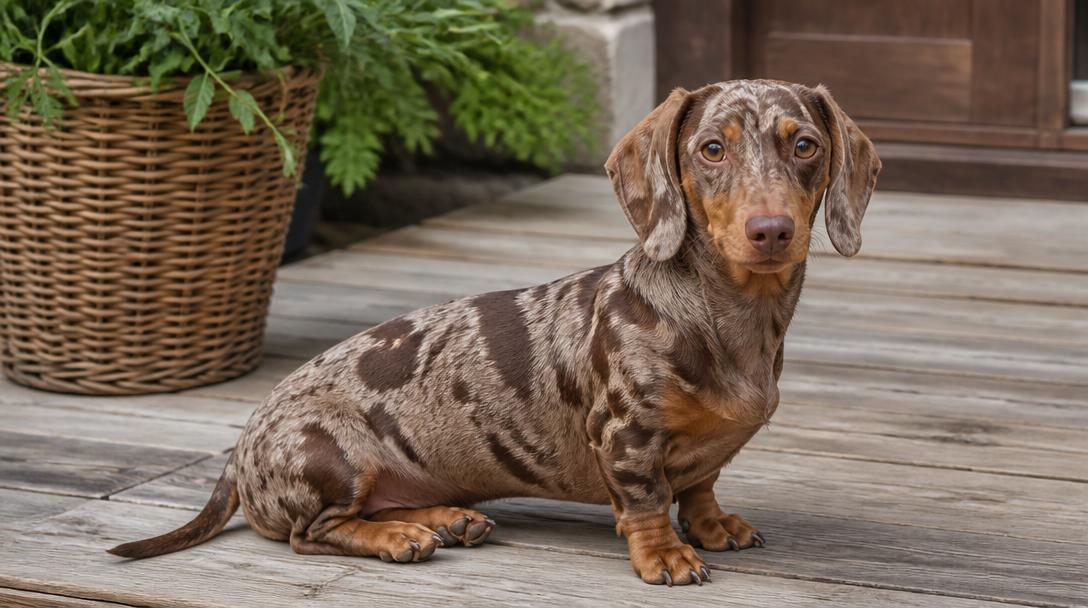
Dapple is the dachshund world’s name for what other breeds call merle. It shows up as lighter, marbled patches scattered irregularly across the darker base coat — patches of lighter red on a red dog, or gray-blue patches on a black and tan dog, for example. No two dapple dachshunds look quite the same, which is part of why the pattern is so popular.
Dapple is caused by a single dominant gene. A dog with one copy of the dapple gene is a normal, healthy dapple dachshund with no elevated health risk tied to the gene itself. The concern only shows up with double dapples — dogs that inherit the dapple gene from both parents. Double dapples often have excessive white in their coat and are at meaningfully higher risk of eye abnormalities (including missing or malformed eyes) and deafness. This is exactly why reputable breeders never intentionally breed two dapple dachshunds together — a dapple-to-dapple pairing can produce double dapple puppies, and it’s considered irresponsible breeding practice for that reason. If you’re buying a dapple puppy, it’s a fair and important question to ask the breeder whether both parents were dapple.
Piebald
Piebald is a recessive white patterning gene that produces large patches of white or cream mixed with a base color, often with a mostly-white head, chest, and legs. Unlike dapple, piebald is not linked to the same eye and hearing concerns — it’s considered a health-neutral pattern. Piebald dachshunds can sometimes be mistaken for double dapples at a glance because both patterns involve a lot of white, but the underlying genetics and the health picture are quite different.
Brindle
Brindle adds a tiger-stripe effect — irregular dark streaks layered over a base color — and can appear on its own or combined with dapple or piebald patterning. It’s a striking look and carries no known health implications.
Sable
Sable dachshunds have an agouti gene overlay that gives each hair a darker tip fading to a lighter base, creating a subtly shaded, almost “dipped in ink” look, most often seen on a red or cream base. It’s one of the rarer patterns and, again, carries no known health concerns.
Color, Coat Type, and What It Means for Grooming
Because color and coat type are independent traits, you can find any color above on a smooth, wirehaired, or longhaired dachshund. Wild boar coloring is almost exclusively seen on wirehaired dogs, since it’s part of the same genetic package that produces the wiry texture, but the rest of the colors and patterns can turn up on any coat type. If you’re bringing home a wirehaired pup and want to understand what their coat actually needs day to day, our wirehaired grooming guide covers hand-stripping, tools, and the two-layer coat structure in detail.
Does Color Affect Anything Besides Looks?
Outside of the dilution-alopecia and double-dapple concerns above, no — color and pattern don’t affect temperament, trainability, exercise needs, or lifespan. A blue dachshund isn’t calmer than a red one, and a dapple isn’t more “delicate” than a piebald. If you want the full picture of what actually shapes a dachshund’s day-to-day needs regardless of color, our complete guide to the breed is a good next stop.
What This Means If You’re Choosing a Puppy
Color is a completely legitimate reason to fall in love with a particular puppy — I’m not going to pretend otherwise, I’ve picked favorites in a litter based on markings myself. But a couple of practical notes if color is guiding your search:
- If you’re drawn to dapple, ask directly whether either parent is also dapple. A single-dapple puppy from a dapple-to-solid pairing is genetically no different from any other healthy dachshund. A dapple-to-dapple pairing is a red flag.
- If you’re drawn to blue or Isabella, don’t panic about color dilution alopecia — just factor “mention it to my vet” into your normal care routine, the same way you’d flag any breed-specific tendency.
- Rare colors often carry a higher price tag, but rarity has nothing to do with health, structure, or quality. A well-bred red or black and tan puppy from a breeder who health-tests is a better choice than a “rare” color from one who doesn’t.
Frequently Asked Questions
What’s the rarest dachshund color?
Isabella (fawn) and true sable tend to be the rarest, simply because they require specific combinations of recessive and dilution genes to appear. Blue is also uncommon. Red and black and tan remain by far the most common colors you’ll see.
Are dapple dachshunds unhealthy?
A dachshund with a single copy of the dapple gene is not unhealthy because of it. The health concerns — eye and hearing issues — are specifically tied to double dapples, meaning puppies that inherited the dapple gene from both parents. Responsible breeders avoid dapple-to-dapple pairings for exactly this reason.
Can two dachshund colors change as a puppy grows?
Some shift is normal. Puppies often darken or lighten slightly as their adult coat comes in, and dapple markings in particular can become more or less distinct with age and coat growth. Dramatic changes are uncommon, but subtle shifts in shading are expected.
Is coat color linked to coat type?
They’re genetically separate traits, with one exception: wild boar coloring is essentially exclusive to wirehaired dachshunds. Every other color and pattern can appear on smooth, wire, or long coats.
Does color affect price?
Often, yes — rarer colors like Isabella, blue, and certain dapple combinations tend to command higher prices from breeders. That said, price driven by color alone isn’t a health or quality indicator, so it shouldn’t be the deciding factor over things like health testing and temperament.
The Bottom Line
Whatever color your dachshund turned out to be, the genetics behind it are honestly one of the more fascinating corners of the breed. Just keep the one real rule in mind if you’re ever choosing a puppy or planning a litter: never pair two dapples together, and ask that question directly if you’re buying a dapple pup. Everything else — red, cream, chocolate, blue, brindle, sable, piebald — is just a beautiful coat on a dog who’s going to love you exactly the same either way.