
Dachshunds are a popular breed of dog known for their long, sausage-like bodies and friendly personalities. However, one question that often arises when it comes to these dogs is whether or not they can swim. The answer is not as straightforward as one might think.
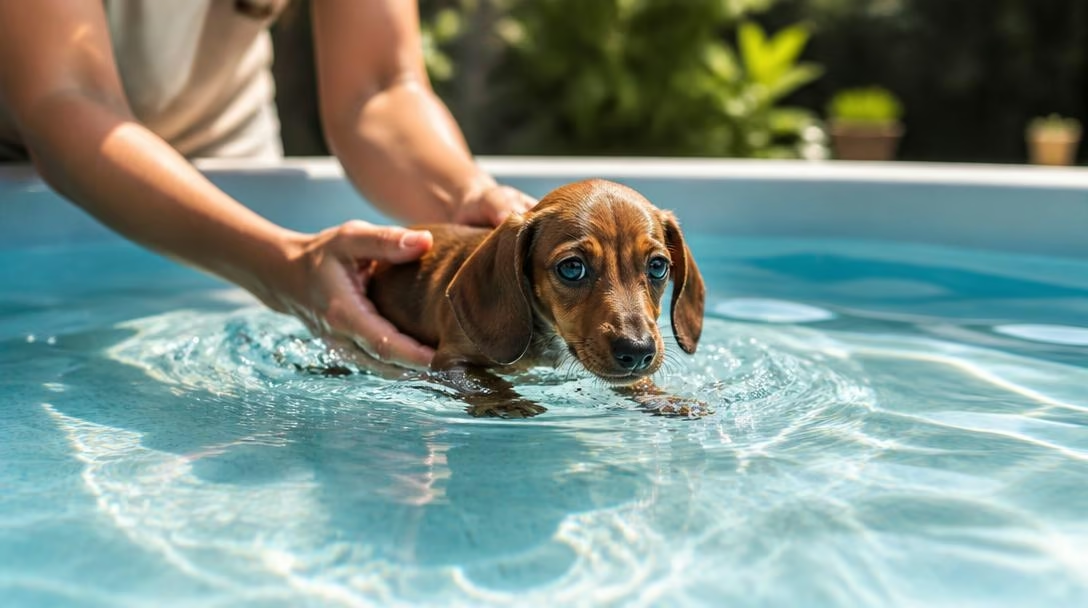
While some dachshunds are natural swimmers, others may struggle in the water due to their unique body shape. Their long, low bodies and short legs can make it difficult for them to stay afloat and move efficiently in the water. Additionally, dachshunds may be prone to back problems, which can be exacerbated by swimming. However, with proper training and safety precautions, many dachshunds can learn to enjoy swimming and even become adept at it.
It’s important for dachshund owners to understand the risks and benefits of swimming for their pets. Swimming can be a great form of exercise and mental stimulation for dogs, but it’s crucial to supervise them at all times and provide them with a properly fitting life jacket if needed. By taking the necessary precautions and working with their dachshunds, owners can help their furry friends safely enjoy the water.
Physical Characteristics of Dachshunds
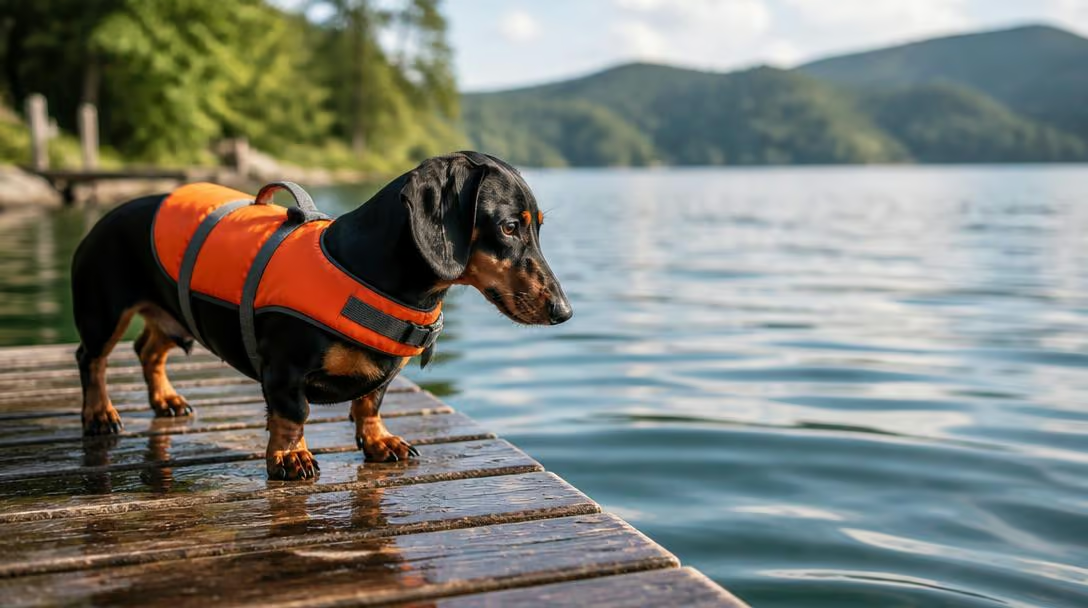
Dachshunds are a small-sized breed of dog with elongated bodies and short legs. They come in three coat types: long-haired, short-haired, and wire-haired. In this section, we will explore the physical characteristics of dachshunds in more detail.
Short Legs and Long Body
One of the most distinctive features of dachshunds is their short legs and elongated body. This unique body shape is a result of their breeding history, as they were originally bred to hunt badgers and other burrowing animals. Their short legs allowed them to enter burrows and their long bodies helped them maneuver through tight spaces.
Despite their short legs, dachshunds are surprisingly agile and can move quickly. They are also known for their strong sense of smell, which they use to track prey.
Coat Types
Dachshunds come in three coat types: long-haired, short-haired, and wire-haired. The long-haired dachshund has a soft and shiny coat that requires regular grooming to prevent matting. The short-haired dachshund has a smooth and shiny coat that is easy to maintain. The wire-haired dachshund has a rough and wiry coat that requires regular grooming to keep it looking neat.
In addition to their coat type, dachshunds also come in a variety of colors, including black and tan, red, chocolate, and cream.
Overall, the physical characteristics of dachshunds make them a unique and beloved breed. Their short legs and long bodies may seem unusual, but they are perfectly adapted for their original purpose as hunting dogs.
Dachshunds and Water Activities
Dachshunds are known for their short legs and long bodies, which may make some people wonder if they are capable swimmers. However, with proper training and care, dachshunds can enjoy water activities just like any other breed.
Natural Affinity for Water
While dachshunds may not be considered natural water dogs like retrievers or labs, they do have an innate curiosity and playfulness that can make them great swimmers. In fact, some dachshunds may even be drawn to water activities on their own, especially if they are introduced to it at a young age.
It’s important to note that dachshunds with dwarfism, a genetic condition that affects the breed, may have more difficulty swimming due to their shorter legs and longer bodies. In such cases, it’s best to consult with a veterinarian before introducing them to water activities.
Comparing Breeds
When it comes to comparing dachshunds to other breeds in terms of swimming ability, it’s important to remember that every dog is unique. While some breeds like golden retrievers and labs are known for being good swimmers, it doesn’t necessarily mean that all individuals of those breeds will excel in water activities.
On the other hand, breeds like corgis and basset hounds may not be considered natural water dogs, but they can still enjoy water activities with proper training and care.
Overall, whether it’s a lake, pool, or river, dachshunds can participate in water activities with the right preparation and supervision. As with any breed, it’s important to take into account their individual abilities and limitations, and to always prioritize their safety and well-being.
Swimming Training for Dachshunds
Introduction to Swimming
Dachshunds are not natural swimmers, and they may require some training to feel comfortable in the water. Before introducing your dachshund to swimming, it’s important to understand their instincts and limitations. Dachshunds have short legs and long bodies, which makes it difficult for them to paddle efficiently. They also have a tendency to tire quickly due to their muscle strength and endurance.
Building Confidence
Training your dachshund to swim requires patience and positive reinforcement. It’s important to start slowly and build up their confidence gradually. Begin by introducing your dachshund to shallow water, and allow them to explore at their own pace. Use positive association, such as treats and praise, to encourage them to venture further into the water.
As your dachshund becomes more comfortable in the water, you can start to teach them how to paddle. Use a flotation device to support them and allow them to practice their paddling technique. It’s important to monitor your dachshund’s energy levels and limit their swimming time to prevent exhaustion.
In conclusion, dachshunds can learn to swim with proper training and patience. It’s important to understand their limitations and instincts and to build their confidence gradually. With positive reinforcement and a supportive approach, your dachshund can enjoy the benefits of swimming while staying safe and healthy.
Safety and Precautions
Choosing the Right Gear
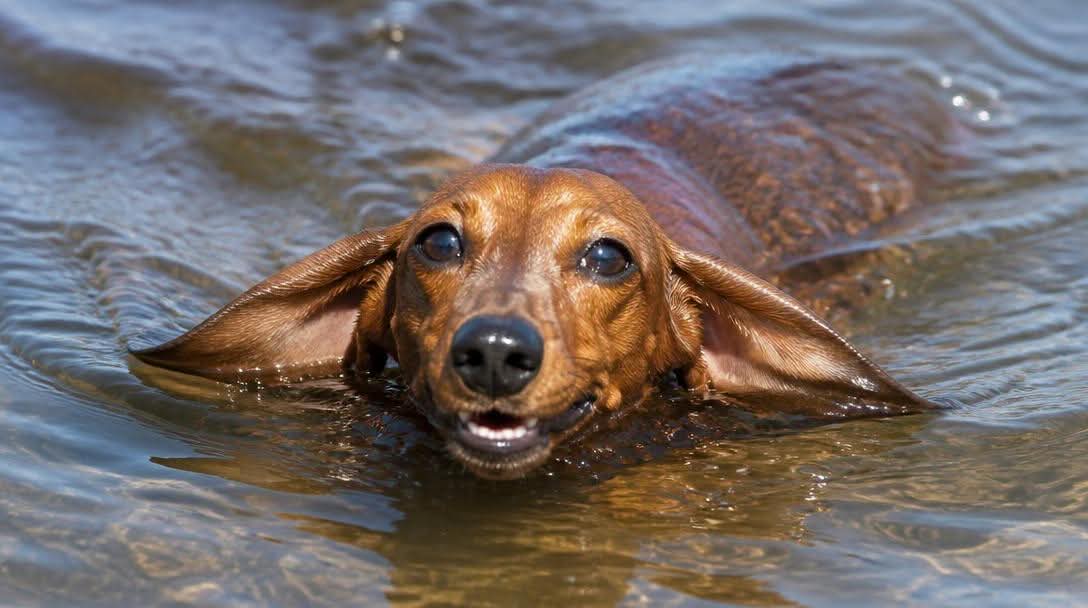
When it comes to swimming, dachshunds are not natural swimmers and may require assistance to stay afloat. It is recommended to invest in a well-fitting life jacket or life vest for your dachshund to ensure their safety in the water. Look for a life jacket that is specifically designed for dachshunds, as it will provide the necessary buoyancy and support for their unique body shape.
Understanding the Risks
While swimming can be a fun activity for your dachshund, it is important to be aware of the potential risks and take necessary precautions. Strong currents, shallow waters, and exposure to cold water temperature can all pose safety concerns for your pet. Additionally, dachshunds may tire easily and become fatigued, increasing the risk of drowning.
To ensure your dachshund’s safety, it is important to be cautious and aware of their energy levels and any signs of fatigue. Avoid areas with strong currents or tides, and always keep your dachshund within reach while in the water. If your dachshund shows a fear of water, it may be best to avoid swimming altogether.
By taking the necessary precautions and investing in the proper gear, you can help ensure a safe and enjoyable swimming experience for your dachshund.
Health Benefits and Exercise
Dachshunds are known for their cute and cuddly appearance, but they also require regular exercise to maintain their health. Swimming is an excellent low-impact activity that provides both physical and mental stimulation for your furry friend.
Low-Impact Activity
Dachshunds are prone to joint problems, especially as they age. Swimming is a low-impact activity that puts less stress on their joints compared to other forms of exercise like running or jumping. This makes it an ideal activity for dachshunds who have joint issues or are recovering from an injury.
Mental and Physical Stimulation
Swimming is not only a great form of exercise, but it also provides mental stimulation for your dachshund. The sensation of being in the water and the need to paddle their legs can help to keep your dog’s mind active and engaged. Additionally, swimming can help to improve their cardiovascular health and strengthen their muscles.
In addition to the benefits of swimming, regular exercise can also help to prevent health issues such as obesity and diabetes. However, it’s important to note that dachshunds are prone to certain health issues, so it’s important to consult with your veterinarian before starting any exercise program.
Overall, swimming is a great low-impact activity that provides both physical and mental stimulation for your dachshund. Incorporating regular exercise into your dachshund’s routine can help to improve their overall health and well-being.
Common Challenges and Solutions
Dealing with Water Anxiety
While some dachshunds may take to water like a fish, others may be hesitant or even fearful of it. This can be due to their personality or past experiences. It’s important to introduce them to water slowly and in a positive manner. Start with shallow water and allow them to explore and get comfortable at their own pace. Positive reinforcement, such as treats and praise, can also help them associate water with positive experiences.
If your dachshund still struggles with water anxiety, consider using a dog life jacket to provide them with added buoyancy and a sense of security. Supervision is also crucial to ensure their safety and prevent any accidents.
Physical Limitations
Despite their love for adventure, dachshunds are prone to certain health issues, such as back problems and ear infections. These conditions can impact their swimming ability and make it more challenging for them to enjoy the water.
If your dachshund has a history of back problems, it’s important to consult with your veterinarian before allowing them to swim. They may recommend specific exercises or swimming techniques that can help strengthen their muscles and prevent further injury.
Ear infections can also be a concern for dachshunds who love to swim. Make sure to dry their ears thoroughly after swimming to prevent any moisture from causing an infection.
Overall, swimming can provide numerous benefits for dachshunds, including exercise, mental stimulation, and relief from joint pain. With patience, positive reinforcement, and proper supervision, even dachshunds with water anxiety or physical limitations can enjoy the water.
Advanced Swimming Techniques
Deep Water Swimming
Dachshunds are known for their love of swimming, but they may have difficulty swimming in deep water due to their short legs and long body. However, with proper training and technique, dachshunds can become confident swimmers in deep water.
One technique that can be helpful for dachshunds is to use a life jacket. This not only provides buoyancy but also helps to keep their head above water. Additionally, using a leash can help the owner guide the dachshund while swimming.
It is important to note that dachshunds should not be left unattended while swimming in deep water, as they can tire easily and may struggle to stay afloat.
Handling Various Water Environments
Dachshunds can swim in a variety of water environments, including pools, lakes, and even the ocean. However, it is important to be aware of the potential dangers in each environment.
In pools, dachshunds should be trained to use the steps to exit the pool, as they may have difficulty climbing out on their own. Additionally, pool chemicals can be harmful to dogs, so it is important to rinse them off after swimming.
In lakes and rivers, rough water and strong currents can be dangerous for dachshunds. It is important to keep them on a leash and monitor their swimming to ensure their safety.
In the ocean, dachshunds should only swim in calm waters and should be kept on a leash to prevent them from being pulled out to sea by a strong current. Additionally, saltwater can be harmful to dogs, so it is important to rinse them off after swimming.
Overall, with proper training and technique, dachshunds can become confident swimmers in a variety of water environments. It is important to always prioritize their safety and monitor them while swimming.
Related Reading
Frequently Asked Questions
Do all dachshunds naturally know how to swim?
No. Unlike many breeds, dachshunds aren’t natural swimmers because of their long bodies and short legs, which make treading water tiring. Most need a patient introduction and close supervision before they’re comfortable in the water.
Should dachshunds wear a life jacket when swimming?
Yes. A properly fitted canine life jacket is strongly recommended for every swim, even for confident swimmers, since fatigue can set in quickly given their body shape.
Is swimming good exercise for a dachshund’s back?
Swimming is a low-impact activity that can be a great option for dachshunds prone to back problems, but check with your vet first, especially if your dog has existing spinal issues.