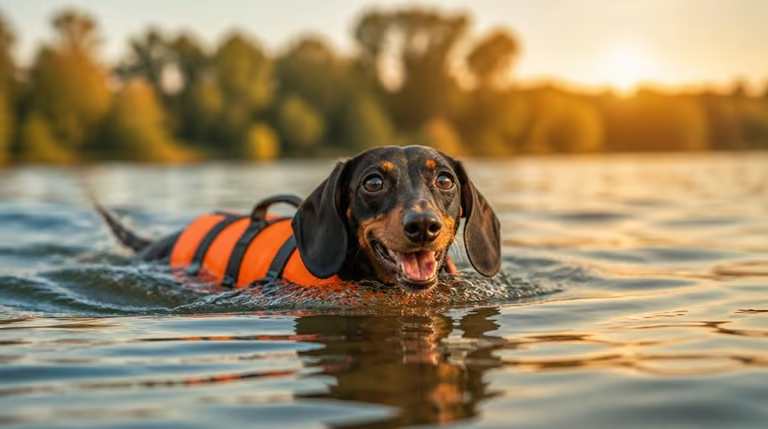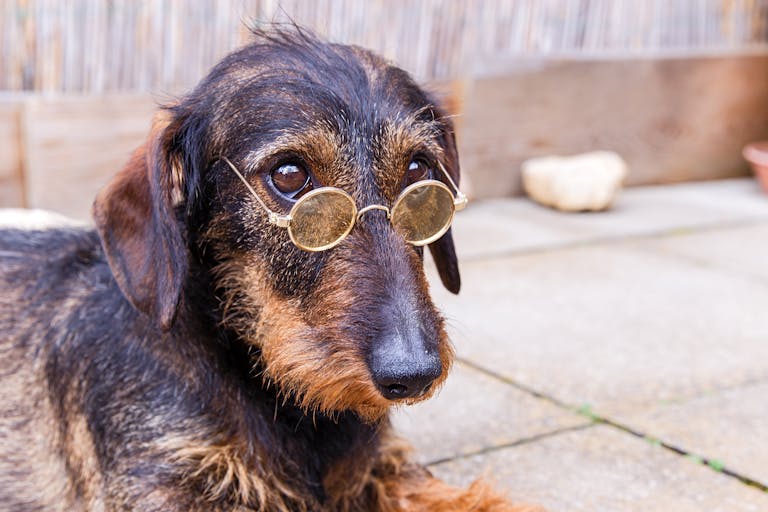
The Miniature Dachshund, often called a “wiener dog” or “sausage dog,” is a charming small breed that packs a big personality into its compact frame. Miniature dachshunds weigh 11 pounds or less and stand just 5 to 6 inches tall, making them the smaller version of the standard dachshund breed. These little hounds come from Germany and were originally bred for hunting small game like rabbits.
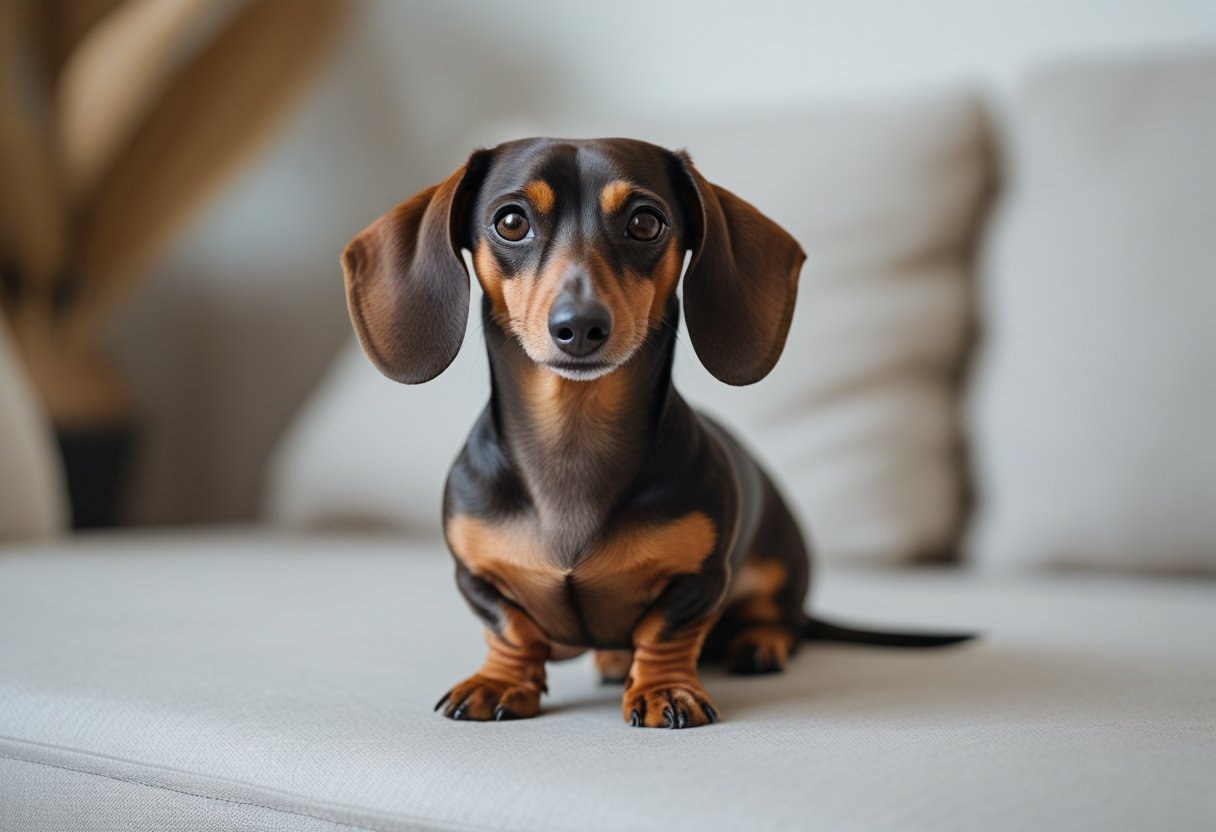
With their long, low bodies and short legs, mini dachshunds have a unique look that makes them instantly recognizable. They come in three coat types – smooth, wirehaired, or longhaired – and many different colors. Despite their small size, these dogs are known for being spunky and playful with bold personalities that reflect their hunting heritage.
These little dogs make excellent companions for the right owner, but they do have specific needs and quirks that potential owners should understand. From their stubborn streak during training to their tendency to bark and dig, miniature dachshunds require patience and consistent care to thrive as family pets.
Key Takeaways
- Miniature dachshunds are small German hunting dogs that weigh 11 pounds or less and stand 5-6 inches tall.
- These dogs have bold, playful personalities but can be stubborn and require consistent training and socialization.
- Mini dachshunds need daily exercise, regular grooming based on coat type, and careful attention to prevent back injuries.
What Is a Miniature Dachshund?

Miniature dachshunds are small hound dogs from Germany with distinctive long, low bodies and three coat varieties. They weigh 11 pounds or less and stand 5-6 inches tall, making them significantly smaller than their standard counterparts.
Key Physical Features
Miniature dachshunds typically weigh 11 pounds or less and measure 5 to 6 inches in height at the shoulder. Their bodies are much longer than they are tall, creating their famous sausage-like appearance.
These dogs have short legs relative to their body size. Their heads are elongated with long, drooping ears that hang close to their cheeks.
Physical Specifications:
- Weight: 11 pounds or less
- Height: 5-6 inches at shoulder
- Body type: Long and low to the ground
- Ears: Long, pendant-style
- Tail: Long, carried in line with back
The miniature dachshund’s compact size makes them portable companions. Despite their small stature, they maintain the same proportions as standard dachshunds.
Varieties and Coat Types
The miniature dachshund comes in three distinct coat varieties. Each type has smooth, wirehaired, or longhaired coats with different grooming requirements.
Smooth-coated miniature dachshunds have short, sleek fur that lies close to the body. This variety requires minimal grooming with weekly brushing.
Longhaired miniature dachshunds feature silky, flowing coats with feathering on the ears, legs, and tail. They need brushing several times per week to prevent matting.
Wirehaired dachshunds have coarse, dense coats with distinctive facial hair including eyebrows and a beard. This variety requires professional coat stripping several times yearly.
Color options include black and cream, black and tan, chocolate and tan, red, cream, and many other combinations. Patterns like dapple, brindle, and piebald add variety to the breed.
Miniature vs. Standard Dachshund
Standard dachshunds weigh between 16 and 32 pounds, making them significantly larger than miniatures. This size difference affects their exercise needs, living space requirements, and lifespan.
Miniature dachshunds live slightly longer than standard dachshunds, averaging 13-16 years compared to 12-14 years for standards. Smaller dogs typically have longer lifespans.
Size Comparison:
| Type | Weight | Height | Lifespan |
|---|---|---|---|
| Miniature | 11 lbs or less | 5-6 inches | 13-16 years |
| Standard | 16-32 lbs | 8-9 inches | 12-14 years |
Both varieties share the same temperament traits and were originally bred as badger dogs in Germany. The dachshund breed developed different sizes to hunt various types of game animals.
Miniature dachshunds adapt better to apartment living due to their smaller size. However, both varieties have similar exercise and training needs regardless of their size difference.
Breed History and Origins

The miniature dachshund originated in Germany during the Middle Ages as a specialized hunting breed. German hunters developed dachshunds in the 15th century to pursue badgers in their underground burrows, while the miniature version emerged later to hunt smaller prey.
Development in Germany
Dachshunds trace their origins back to Germany’s Middle Ages when personal firearms were not widely available to peasants and hunters. German hunters relied heavily on dogs to provide for their families during this period.
The breed’s distinctive body shape developed through selective breeding. Hunters needed dogs with long, low bodies and short legs to follow badgers into narrow underground tunnels. This unique build allowed the dogs to maneuver through tight spaces that other hunting breeds could not access.
Key developmental features:
- Long spine for tunnel navigation
- Short, sturdy legs for stability
- Strong jaw for gripping prey
- Bold, fearless temperament
The Dachshund breed dates back to the 15th century in Germany. Dedicated breeders established the breed over a relatively short period through careful selection of desirable traits.
Purpose as a Hunting Dog
The name “dachshund” literally means “badger dog” in German. Badgers were once popular quarry in Germany, prized for their pelts, meat, and fat.
These dogs worked independently underground, requiring exceptional courage and determination. Once they cornered a badger in its den, dachshunds would bark to alert hunters above ground to the prey’s location.
The breed’s hunting abilities extended beyond badgers. German hunters used dachshunds to track wounded deer and hunt wild boar in packs. Their keen scent-tracking abilities and persistent nature made them valuable hunting companions.
Primary hunting roles:
- Badger hunting in underground burrows
- Tracking wounded large game
- Small game hunting in groups
The breed’s original purpose shaped their bold and independent personality that remains evident in modern miniature dachshunds.
Emergence of the Miniature Dachshund
The miniature dachshund developed as breeders sought to create smaller versions for hunting rabbits and other small game. Standard dachshunds weigh between 16 and 32 pounds, while mini dachshunds usually weigh 11 pounds or less.
Dachshunds come in three sizes: standard, miniature, and kaninchen (rabbit). The miniature variety emerged through selective breeding of the smallest standard dachshunds.
German breeders developed the miniature dachshund dog breed to hunt in rabbit warrens and pursue smaller prey that required more agile hunters. The reduced size allowed these dogs to navigate even tighter spaces than their standard-sized relatives.
Size classifications:
- Standard: 16-32 pounds
- Miniature: 11 pounds or less
- Kaninchen: 8-11 pounds (rabbit hunting)
The American Kennel Club recognized dachshunds in 1885, including both standard and miniature varieties. The miniature dachshund maintained the same fearless hunting instincts as larger dachshunds despite their smaller stature.
Personality and Temperament
Miniature dachshunds pack big personalities into small bodies, displaying bold confidence and strong loyalty to their families. These spunky and playful dogs can be wonderful companions but require understanding of their unique behavioral needs.
Typical Behavior Traits
Mini dachshunds are highly loyal and affectionate dogs that form strong bonds with their owners. They often become “shadow dogs” who follow family members throughout the house.
Key behavioral traits include:
- Barking tendencies: Dachshunds are one of the most vocal breeds and bark at strangers, other animals, and perceived threats
- Burrowing instincts: These dogs love to dig under blankets and create cozy spaces
- High prey drive: Their hunting background makes them chase small moving objects like squirrels or cats
Miniature dachshund dogs can be tenacious and determined. When they want something, they persist until they get it. This trait makes them seem stubborn during training.
Their intelligence allows them to manipulate owners with expressive eyes. They often think they are bigger than their actual size and may challenge larger dogs.
Suitability for Families
The dachshund breed adapts well to family life when their needs are met properly. They typically bond strongest with one family member but show affection to the whole household.
Family considerations:
| Pros | Cons |
|---|---|
| Excellent watchdogs | Can be needy and clingy |
| Loyal companions | May bark excessively |
| Good apartment dogs | Require daily exercise |
Mini dachshunds need consistent training and socialization from an early age. Their strong-willed nature requires patient owners who understand positive reinforcement methods.
Families with young children should supervise interactions carefully. The dogs’ prey drive may cause them to chase quick-moving toddlers, though many learn to live peacefully with kids.
These dogs thrive with owners who enjoy their clingy, affectionate nature and can provide mental stimulation through games and activities.
Interaction with Other Pets
Miniature dachshunds can live with other pets but their hunting instincts create challenges. Their high prey drive makes them view small animals as potential prey.
Pet compatibility factors:
- Other dogs: Generally good with dogs their size or larger when properly socialized
- Cats: Can coexist if raised together, but may chase unfamiliar cats
- Small pets: Not recommended with rabbits, hamsters, or birds due to hunting instincts
Early socialization helps dachshunds accept other household pets. Introducing them as puppies increases success rates significantly.
Their bold personality means they may try to dominate larger dogs despite their small size. Supervised interactions help prevent conflicts during initial meetings.
Miniature dachshunds often prefer being the only pet to receive full attention from their owners. Multiple dog households work best when dogs are similar in size and energy levels.
Caring for a Miniature Dachshund
Caring for miniature dachshunds requires attention to their unique body structure and specific needs. These small dogs need moderate exercise, regular grooming, proper nutrition, and preventive health care to thrive.
Exercise and Activity Requirements
Miniature dachshunds need daily exercise despite their small size. They require 20-30 minutes of walking each day to maintain a healthy weight and prevent behavioral problems.
Their short legs mean they cannot handle intense exercise. Long hikes or running should be avoided as these can strain their backs.
Safe Exercise Options:
- Short walks on flat surfaces
- Indoor play sessions
- Interactive puzzle toys
- Supervised yard exploration
Owners should keep mini dachshunds on leashes during walks. Their strong hunting instincts may cause them to chase small animals or follow interesting scents.
Mental stimulation is equally important as physical exercise. Puzzle toys and training sessions help prevent boredom and destructive behaviors.
Miniature dachshund puppies need shorter, more frequent play sessions. Five-minute play periods several times daily work better than longer sessions.
Grooming and Maintenance
Grooming needs vary depending on the coat type. Smooth-coat mini dachshunds require the least maintenance, while wirehaired dachshunds need more attention.
Weekly Grooming Tasks:
- Brush coat to remove loose hair
- Check and clean ears
- Trim nails if needed
- Brush teeth
Bathing should occur every 2-3 months or when the dog gets dirty. Use mild dog shampoo to avoid skin irritation.
Ear cleaning is especially important for miniature dachshunds. Their floppy ears can trap moisture and debris, leading to infections. Owners should check ears weekly for redness, odor, or discharge.
Nail trimming prevents discomfort and gait problems. Long nails can cause pain when walking and affect the dog’s posture.
Dental care is crucial for small breeds like mini dachshunds. Daily teeth brushing helps prevent dental disease and tooth loss.
Feeding and Nutrition
Miniature dachshunds need high-quality dog food formulated for small breeds. The food should list meat as the first ingredient and avoid excessive fillers.
Feeding Guidelines:
- Adult dogs: 2 meals per day
- Puppies: 3-4 smaller meals daily
- Measure portions carefully
- Avoid human food
Portion control is critical because mini dachshunds gain weight easily. Obesity puts extra stress on their long backs and can cause serious health problems.
Dachshund puppies have different nutritional needs than adults. They require puppy-specific food until 12 months of age to support proper growth and development.
Toxic foods must be avoided completely. Chocolate, grapes, onions, and garlic can be dangerous or deadly for miniature dachshunds.
Fresh water should always be available. Clean the water bowl regularly and refill it daily.
Health Considerations
The miniature dachshund dog breed faces specific health risks due to their body structure. Their long backs make them prone to intervertebral disc disease (IVDD).
Common Health Issues:
- Back and spine problems
- Obesity
- Dental disease
- Ear infections
- Eye conditions
IVDD prevention requires careful management. Dogs should avoid jumping on and off furniture, running up stairs, or activities that strain their backs.
Weight management helps prevent many health problems. Overweight mini dachshunds face higher risks of back injuries and joint problems.
Regular veterinary checkups catch health issues early. Adult dogs should see a vet annually, while senior dogs may need twice-yearly visits.
Progressive retinal atrophy screening is important for breeding dogs. This inherited eye disease can cause blindness if not detected.
Parasite prevention protects against fleas, ticks, and worms. Mini dachshunds’ low bodies make them more susceptible to picking up parasites during outdoor activities.
Training and Socialization
Miniature dachshunds present unique training challenges due to their independent nature and hunting background, but respond well to positive reinforcement methods when started early. Early socialization between 3 to 12 weeks proves critical for developing well-adjusted companions.
Trainability and Challenges
Mini dachshunds were originally bred for hunting, which gives them strong-willed and independent personalities. This hunting background makes them naturally stubborn during training sessions.
The critical training window falls between 8 to 12 weeks of age when puppies are most receptive to learning. During this period, their brains develop rapidly and form lasting behavioral patterns.
Common Training Challenges:
- Stubbornness and independent thinking
- Tendency to bark excessively
- Possessive behavior over territory
- Strong prey drive leading to distractions
Their elongated spine structure also creates physical limitations. Owners must avoid training activities that involve jumping or rough play to prevent back injuries.
Dachshunds establish social hierarchies within households. They often assume dominant roles among other pets, requiring clear boundaries during training.
Tips for Effective Training
Positive reinforcement works exceptionally well with dachshunds compared to punishment-based methods. Treats, praise, and playtime create positive associations with desired behaviors.
Training Session Structure:
- Keep sessions to 10-15 minutes maximum
- Schedule training after walks when dogs are attentive
- Use consistent commands and gestures every time
- Reward immediately after correct behavior
Start with basic obedience training early to establish foundation skills. Simple commands like “sit,” “stay,” and “come” build confidence before advancing to complex tricks.
Clicker training provides clear communication between owner and dog. The clicking sound marks desired behaviors precisely, helping miniature dachshunds understand expectations faster.
Consistency remains crucial for success. Training every day at the same times creates predictable routines that dachshunds thrive on.
Socialization Best Practices
The critical socialization period spans from 3 to 12 weeks when puppies form lasting impressions about their environment. Early exposure to various experiences prevents fearfulness and aggression later.
Essential Socialization Experiences:
- Meeting different people of all ages
- Encountering other well-behaved dogs
- Exposure to various sounds and environments
- Car rides and different locations
Gradual exposure works better than overwhelming experiences. Start with quiet environments before progressing to busier settings like parks or pet stores.
Puppy socialization classes provide controlled environments for meeting other dogs. These supervised interactions teach appropriate play behaviors and communication skills.
Avoiding common socialization mistakes helps create confident companions. Forcing interactions or skipping gradual exposure can create lasting behavioral problems.
Socialization continues throughout adulthood. Regular outings and positive experiences maintain social skills and prevent regression in older miniature dachshund dogs.
Finding and Adopting a Miniature Dachshund
Getting a miniature dachshund involves choosing between reputable breeders and rescue organizations, with adoption fees ranging from $150-500 and breeder prices often exceeding $1,000. Responsible ownership requires understanding their unique health needs and strong personalities.
Miniature Dachshund Puppies and Breeders
Reputable breeders provide detailed health histories and allow visits to meet the puppy’s parents. They screen for common miniature dachshund health issues like intervertebral disc disease.
Quality breeders will ask questions about the buyer’s lifestyle and experience with the dachshund dog breed. They typically require deposits and have waiting lists for popular coat types.
Key breeder qualities to look for:
- Health testing certificates for breeding dogs
- Clean, well-maintained facilities
- Socialized puppies raised in home environments
- Written health guarantees and contracts
Miniature dachshund puppies from responsible breeders cost between $1,200-$3,000. Price varies based on coat type, color, and bloodline quality.
Avoid puppy mills and pet stores that cannot provide health documentation. Red flags include multiple litters available year-round and reluctance to show breeding facilities.
Adoption and Rescue Options
Dachshund rescue organizations specialize in rehoming miniature dachshunds and other dachshund varieties. These groups understand the breed’s specific needs and temperament.
Local animal shelters also house miniature dachshunds needing homes. Visiting shelters in person reveals dogs not always listed online.
Popular adoption resources:
- Breed-specific rescues like Dachshund Rescue of Ohio
- Online platforms such as Petfinder
- Pet rehoming networks for owner surrenders
Adoption fees typically include spaying/neutering, vaccinations, and microchipping. Most rescues require applications, interviews, and sometimes home visits before approval.
Many rescued miniature dachshunds are adults with established personalities. This allows adopters to know exactly what temperament they’re getting.
Responsible Ownership Considerations
Miniature dachshunds require specific care due to their elongated spine structure. Back injuries from jumping off furniture represent serious health risks.
Their terrier-like personalities make them confident but sometimes stubborn. Early socialization prevents behavioral issues with other dogs and strangers.
Essential preparation items:
- Ramps or steps for furniture access
- Harness instead of collar to protect neck
- Quality food appropriate for small breeds
- Mental stimulation toys for intelligent minds
These dogs need regular exercise despite their small size. Daily walks and playtime prevent weight gain that stresses their backs.
Veterinary care should include regular spine health monitoring. Pet insurance helps cover potential back surgery costs that can reach thousands of dollars.
Training requires patience and consistency due to their independent nature. Positive reinforcement works better than harsh corrections with this sensitive breed.