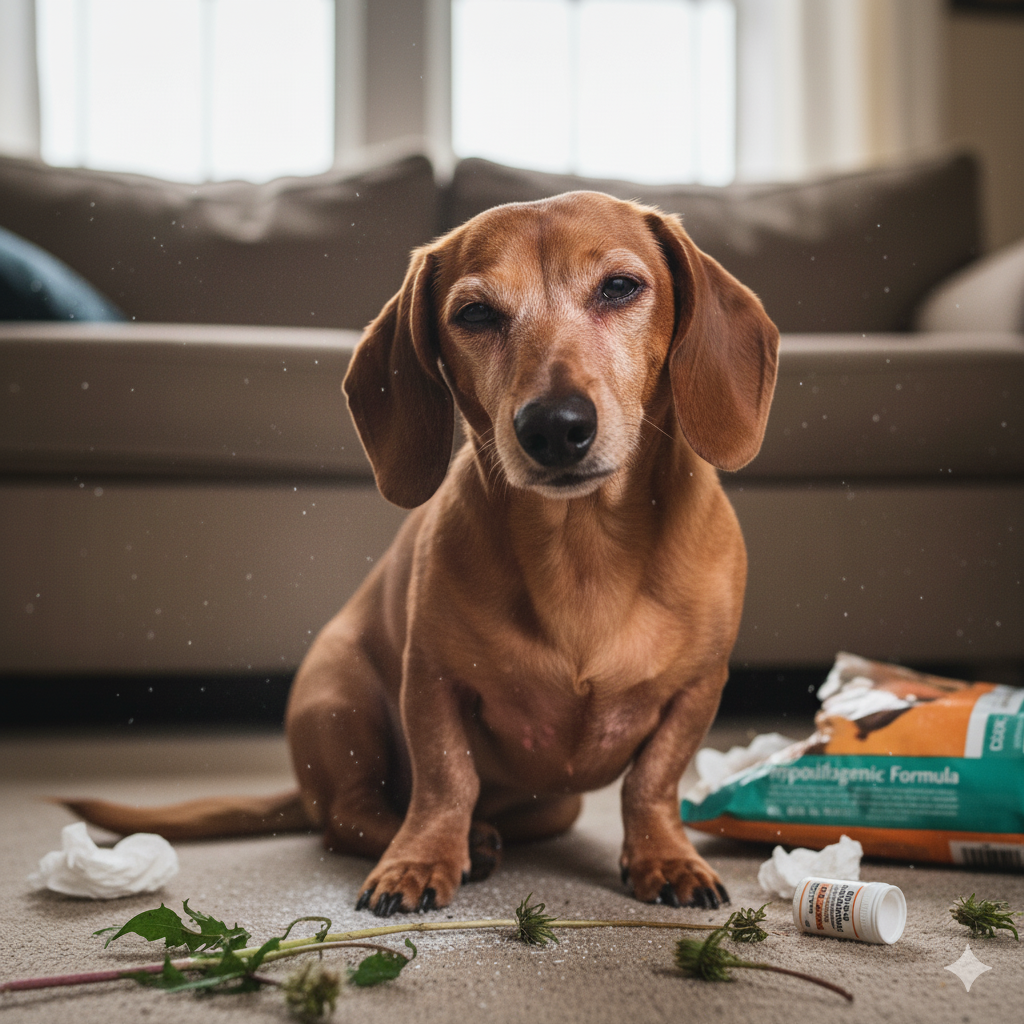
You know that moment when you realize your dachshund has been scratching for the tenth time in five minutes and you’re like, “okay, something’s definitely up here”? Yeah, I’ve been there. My little guy Bruno started doing this weird paw-licking thing that drove me absolutely insane, and honestly, I thought he was just being dramatic at first (typical dachshund behavior, right?). Turns out, he was dealing with allergies, and I had no clue.
Here’s the thing: dachshund allergies are WAY more common than most people think. Studies suggest that about 10-15% of all dogs suffer from some type of allergy, and dachshunds seem to be right up there with the breeds that get hit hardest. Whether it’s something they’re eating or something in their environment, these little sausage dogs can be surprisingly sensitive creatures beneath all that stubbornness and sass.
I’m gonna walk you through everything I learned the hard way about dachshund allergies. We’re talking symptoms you might be missing, the difference between food and environmental allergies, treatment options that actually work (and some that are total wastes of money), and how to make your doxie comfortable again. Because watching your wiener dog suffer with constant itching and discomfort? It’s heartbreaking, and you deserve real answers that’ll help.
Understanding Dachshund Allergies (What’s Actually Going On)
So first things first – what the heck is actually happening when your dachshund has allergies? I used to think allergies were just this vague thing where dogs got itchy, but it’s actually way more specific than that. Basically, your dachshund’s immune system is freaking out over something harmless and treating it like it’s a dangerous invader. The body releases histamines and other chemicals to “fight” this perceived threat, which causes all those annoying symptoms like itching, inflammation, and discomfort.
Dachshunds can experience three main types of allergies, and this is where I made my first mistake with Bruno. I assumed all allergies were the same! Food allergies happen when your dog’s immune system reacts to a specific protein or ingredient in their diet – think chicken, beef, or grains. Environmental allergies (also called atopic dermatitis) are reactions to stuff in their surroundings like pollen, dust mites, or mold. Then there’s contact allergies, which happen when your dachshund’s skin touches something irritating like certain fabrics, cleaning products, or even grass.
Now here’s what really got me: dachshunds are actually MORE prone to allergies than some other breeds. I talked to my vet about this, and she explained that there’s a genetic component at play. If your dachshund’s parents had allergies, there’s a higher chance your pup will too. It’s frustrating because you can’t really prevent it, but knowing this helped me stop blaming myself for somehow “causing” Bruno’s issues.
The tricky part is that allergies can look a LOT like other health problems. When Bruno first started scratching like crazy, I thought maybe he had fleas (even though he was on prevention). Then I wondered if it was dry skin from winter weather. Allergies can mimic skin infections, parasites, hormonal imbalances, and even anxiety-related behaviors. That’s why getting a proper diagnosis is so important, even though I totally get wanting to just figure it out yourself and save the vet bill.
One thing that really helped me understand was learning that allergies often develop over time. Your dachshund might eat the same food for two years with zero problems, then suddenly boom – they’re allergic to it. This happened with Bruno and chicken! He’d been eating chicken-based kibble since he was a puppy, and then at age three, his body just decided chicken was the enemy. I was so confused because I kept thinking, “but he’s ALWAYS eaten this!” Apparently that’s totally normal and actually pretty common with food allergies.

Signs Your Dachshund Has Allergies (Don’t Miss These Red Flags)
Okay, so let me tell you about the signs I completely missed at first because I’m apparently oblivious. The most obvious one that finally got my attention was the scratching – but not just regular scratching. I’m talking about intense, focused scratching where Bruno would go at the same spot over and over until his skin was red and irritated. He’d scratch his belly, his armpits, and behind his ears until I wanted to put tiny mittens on him (don’t worry, I didn’t).
The paw licking thing was another major red flag that I stupidly brushed off for way too long. Dachshunds with allergies often obsessively lick and chew their paws, especially between the toes. Bruno’s front paws would be literally soaking wet from him going to town on them, and they started turning this rusty brown color from all the saliva. I thought maybe he’d stepped in something irritating, but nope – classic allergy symptom that I should’ve recognized immediately.
Ear infections became Bruno’s constant companion once his allergies kicked in, and I didn’t realize the two were connected at first! If your dachshund is shaking their head a lot, scratching at their ears, or has stinky, gunky ear discharge, allergies might be the root cause. Dachshunds already have floppy ears that trap moisture and create a perfect environment for infections, so when you add allergies into the mix, it’s like a party for yeast and bacteria. Bruno’s ears smelled like a combination of old cheese and feet – absolutely disgusting and a dead giveaway something was wrong.
Hot spots are these angry, red, weeping sores that can pop up seemingly overnight. I found one on Bruno’s hip and freaked out thinking he’d gotten bitten by something or burned himself. Nope – it was from him scratching and licking at an itchy area until the skin broke down. These things are gnarly and painful, and they need immediate attention because they can get infected really fast. Allergic dachshunds are prone to developing hot spots anywhere they can reach with their mouth or paws.
Some dachshunds with allergies get watery eyes, runny noses, or even reverse sneezing (that weird honking sound that makes you think they’re dying). Bruno occasionally does the reverse sneezing thing during spring when pollen counts are high, and the first time it happened, I rushed him to the emergency vet thinking he was choking. Two hundred dollars later, I learned it was just allergies. Thanks, Bruno.
Here’s something sneaky I learned: behavioral changes can indicate allergies too. If your normally chill dachshund suddenly seems restless, irritable, or can’t settle down, chronic itching and discomfort might be the culprit. Bruno got snappy with our other dog when his allergies were at their worst because he was so uncomfortable. He’d also wake up multiple times during the night to scratch, which meant none of us were sleeping well. It affected his whole quality of life, and I felt terrible that I hadn’t figured it out sooner.
Common Food Allergies in Dachshunds
Let me tell you about the elimination diet from hell that I went through with Bruno. Food allergies in dachshunds are super common, and the biggest culprits are usually chicken, beef, dairy, wheat, soy, and corn. I know, I know – it feels like that’s basically every ingredient in regular dog food, right? That’s what made this process so frustrating for me because I felt like I had to become a canine nutritionist overnight just to feed my dog.
Here’s what really surprised me: true food allergies are actually less common than food intolerances, but they get lumped together because the symptoms overlap. A food allergy involves the immune system freaking out, while food intolerance is more like your dachshund’s digestive system just can’t handle certain ingredients very well. Either way, your dog feels terrible, so the treatment approach is pretty similar – figure out what’s causing problems and eliminate it from their diet.
The elimination diet process is tedious but necessary if you suspect food allergies. You basically feed your dachshund a novel protein (something they’ve NEVER eaten before, like venison, duck, or kangaroo) and a single carbohydrate source for 8-12 weeks. No treats, no table scraps, no cheating whatsoever – which is way harder than it sounds when you’ve got a dachshund giving you those sad eyes. During this time, you’re watching to see if symptoms improve. Then you slowly reintroduce other proteins one at a time to identify the specific trigger.
I failed at the elimination diet twice before finally succeeding because I didn’t realize that even tiny amounts of other foods could mess up the whole process. Bruno got into the cat’s food once, and I had to start the whole 8-week clock over again. Another time, my husband gave him a dental chew without checking the ingredients first (it had chicken in it, of course), and boom – we were back to square one. It’s seriously one of the most frustrating things I’ve ever done, but it’s also the gold standard for identifying food allergies.
Reading dog food labels became my new obsession, and holy crap, it’s amazing what they sneak into those ingredient lists. “Chicken meal,” “poultry by-product,” “animal fat” – all of these can contain allergens even when the main protein source is supposed to be something else. I learned to look for foods with very short ingredient lists where I could actually identify every single item. If I couldn’t pronounce it or didn’t know what it was, I didn’t buy it.
Novel proteins saved Bruno’s life, honestly. We eventually landed on a duck and sweet potato formula that worked wonders for him. Other dachshund owners I’ve talked to have had success with rabbit, venison, kangaroo, or even bison. The key is finding a protein your dog has truly never been exposed to before. Some dogs do well with fish-based diets too, like salmon or whitefish, though those didn’t work for Bruno because apparently he’s picky about fish. Typical dachshund attitude right there.

Environmental Allergies Your Dachshund Might Have
Seasonal allergies hit Bruno like a truck every spring and fall, and I honestly didn’t put two and two together for the longest time. I just thought he was extra itchy during certain months and didn’t realize that pollen, grass, and ragweed were making his life miserable. Environmental allergies are probably the most common type in dachshunds, and they can be triggered by pretty much anything in your dog’s surroundings.
Pollen from trees, grass, and weeds is a huge trigger for many dachshunds. Bruno’s symptoms would get dramatically worse when I took him for walks during peak pollen times – his belly would be bright red and irritated, and he’d come home scratching like crazy. I started checking the daily pollen count forecast (yep, it’s a real thing) and adjusted our walk times accordingly. Early morning or after rain when pollen counts are lower became our new schedule, and it actually helped quite a bit.
Indoor allergens are sneaky because you think your dog should be safe inside your own home, but dust mites, mold spores, and even cleaning products can cause reactions. I discovered that Bruno’s bed was basically a dust mite hotel because I wasn’t washing it nearly often enough (gross, I know). Once I started washing all his bedding weekly in hot water and invested in allergen-proof covers, I noticed a difference in his symptoms. Not a complete fix, but definitely an improvement.
Contact allergies were something I learned about when Bruno developed this weird rash on his belly after we got new carpet in the living room. Certain fabrics, carpet fibers, or even the chemicals used to treat materials can irritate a dachshund’s sensitive skin. He also had a reaction to a new laundry detergent I tried – his belly broke out in red bumps after sleeping on his freshly washed blanket. I switched to a hypoallergenic, fragrance-free detergent, and the rash cleared up within a few days.
Flea allergy dermatitis is worth mentioning because even one flea bite can send an allergic dachshund into a scratching frenzy. I’m religious about Bruno’s flea prevention now because I learned the hard way that being “pretty good” about it isn’t good enough. He only needs to get bitten by one flea to have a major reaction, and then we’re dealing with itching, hot spots, and misery for weeks. Prevention is so much easier than treatment when it comes to flea allergies.
Grass allergies are particularly annoying because, like, where is your dog supposed to potty if they can’t touch grass? Bruno seems to react to certain types of grass more than others – Bermuda grass makes him crazy itchy, while other varieties don’t bother him as much. I started wiping down his paws and belly with unscented baby wipes after every outdoor session, which helps remove allergens before they can cause too much trouble. It’s tedious but necessary for keeping him comfortable during allergy season.
Getting a Proper Diagnosis (When to See the Vet)
I wasted probably three months trying to figure out Bruno’s allergies on my own before finally breaking down and going to the vet. And you know what? I should’ve gone way sooner because I was just making him suffer longer for no good reason. If your dachshund is showing multiple allergy symptoms, especially if they’re affecting their quality of life, it’s time for a professional opinion – not just random advice from internet forums (even though I’m technically giving you internet advice right now, so do what I say, not what I did).
Before your vet appointment, start keeping a detailed journal of symptoms – and I mean DETAILED. Write down when scratching happens, what areas are affected, any changes in eating or drinking, bathroom habits, everything. I also took photos and videos of Bruno’s worst moments because it’s always the case that your dog acts perfectly normal at the vet’s office. Having visual evidence helped my vet understand the severity of what was going on at home.
There are a few different types of allergy testing available, and they each have pros and cons. Blood tests (serology testing) can check for environmental allergens but aren’t considered super reliable for food allergies. Intradermal skin testing is the gold standard for identifying environmental allergies – they inject small amounts of different allergens under the skin and watch for reactions. It sounds horrible, but they sedate your dog for it, so at least Bruno wasn’t traumatized. These tests aren’t cheap though – I paid around $600 for Bruno’s full workup.
Sometimes you’ll need to see a veterinary dermatologist, especially if your regular vet can’t figure out what’s going on or if treatments aren’t working. I was hesitant at first because the dermatologist was a two-hour drive away and cost significantly more than my regular vet, but it ended up being totally worth it. Specialists have access to more advanced testing and treatment options, plus they deal with allergies all day every day so they know their stuff.
Cost is a real consideration, and I’m not gonna pretend it’s not. Between vet visits, testing, prescription medications, and special food, I’ve probably spent over $2,000 on Bruno’s allergies in the past year. Pet insurance would’ve been smart to have before all this started, but of course, I didn’t have it. Some vets offer payment plans or work with financing companies like CareCredit if you need help spreading out the costs.
Here’s a DIY approach that can help before you go to the vet: start taking notes about potential patterns. Does the itching get worse after meals? Is it seasonal? Does it happen more after walks in certain areas? Are there specific times of day when symptoms are worse? I noticed that Bruno’s scratching intensified about an hour after eating and also got worse in the evening. These observations helped my vet narrow down likely causes much faster than if I’d just said “he scratches a lot.”

Treatment Options That Actually Work
Okay, let’s talk about what actually helps because I tried approximately one million things, and some worked while others were complete garbage. Antihistamines like Benadryl can be given to dachshunds, but you need to check with your vet on the correct dosage first. Bruno gets 1mg per pound of body weight, which comes out to about 16mg for his chunky 16-pound body. Benadryl helps with mild symptoms but honestly doesn’t do much when his allergies are really flaring up. It’s cheap though, so it’s worth trying before moving to more expensive options.
Apoquel is a prescription medication that’s been a game-changer for Bruno during his worst allergy seasons. It works by blocking the itch signal at the source, and I usually see improvement within a few hours of giving it to him. The downside is that it’s expensive (around $3 per pill), and there are some potential side effects with long-term use, so my vet doesn’t want Bruno on it year-round. We use it mainly during spring and fall when his environmental allergies are at their peak.
Cytopoint injections are another option that some dachshund owners swear by. It’s a monthly injection that your vet gives, and it works differently than oral medications by neutralizing a specific protein that sends itch signals. I tried this with Bruno once, but it didn’t work as well for him as Apoquel did. However, I know other dachshund owners who’ve had amazing results with Cytopoint, so it’s definitely worth discussing with your vet. Each injection costs around $60-100 depending on your dog’s weight.
Immunotherapy (allergy shots) is a long-term solution where your dog gets regular injections of small amounts of their specific allergens to help build tolerance over time. This is what we’re doing with Bruno now after identifying his triggers through allergy testing. It takes several months to start working, and you have to be really committed to the schedule of injections, but it’s one of the few treatments that can actually modify the immune response rather than just managing symptoms. We’re about six months in, and I’m starting to see some improvement.
Medicated shampoos and topical treatments provide temporary relief and can help heal damaged skin. I bathe Bruno with an oatmeal-based, hypoallergenic shampoo once a week during allergy season, and I let it sit on his skin for 10 minutes before rinsing (even though he hates it and gives me the most pathetic sad eyes the whole time). There are also prescription shampoos with antifungal or antibacterial properties if your dachshund has developed secondary infections from scratching.
Natural remedies like omega-3 fatty acids, probiotics, and quercetin supplements can support overall skin health and immune function. I add a fish oil supplement to Bruno’s food daily, and I think it helps with his coat quality and reduces some inflammation. Coconut oil applied topically can soothe irritated skin, though some dogs will just lick it right off (guilty as charged with Bruno). Apple cider vinegar diluted in water can help with paw soaks if your dachshund is licking their feet constantly. These natural options won’t cure allergies but can be helpful additions to your overall management strategy.
Best Hypoallergenic Dog Foods for Dachshunds
Finding the right food for an allergic dachshund is like trying to solve a puzzle where the pieces keep changing shape. Limited ingredient diets (LID) are designed with minimal ingredients to reduce the chances of triggering an allergic reaction. I switched Bruno to a limited ingredient duck formula that has literally like seven ingredients total – duck, sweet potato, canola oil, and a few vitamins and minerals. That’s it. No weird fillers, no mystery ingredients, just straightforward food.
Hydrolyzed protein diets are another option where the proteins are broken down into pieces so small that the immune system doesn’t recognize them as allergens. Hill’s z/d and Royal Canin Hydrolyzed Protein are the two main prescription options. They’re expensive (like $80+ for a large bag), and some dogs think they taste like cardboard, but they work really well for severe food allergies. Bruno refused to eat the hydrolyzed food – he literally went on a hunger strike for two days until I gave in and found something else. Stubborn little wiener.
The grain-free versus grain-inclusive debate is super confusing because there’s a lot of conflicting information out there. Grain-free became trendy a few years ago, but then there were concerns about potential links to heart disease in dogs. The truth is that most dachshunds aren’t actually allergic to grains – they’re allergic to proteins like chicken or beef. Bruno does fine with grains in his diet now, and honestly, the grain-inclusive foods tend to be less expensive than grain-free options, which is nice for my wallet.
Some people have success with homemade diets, and I seriously considered this route for Bruno. The advantage is that you have complete control over every single ingredient. The disadvantage is that it’s time-consuming, requires careful planning to ensure nutritional balance, and you need to work with a veterinary nutritionist to formulate appropriate recipes. I decided not to go this route because I barely have time to cook proper meals for myself, let alone prepare balanced meals for my dog every day.
When transitioning to a new food, go slowly to avoid digestive upset. I learned this the hard way by switching Bruno’s food too quickly and giving him terrible diarrhea for three days. Mix a small amount of the new food with the old food, gradually increasing the ratio over 7-10 days. Yes, this extends the time your dog is potentially eating an allergen, but it’s better than dealing with vomiting and diarrhea on top of allergy symptoms. Trust me on this one.
Some brands that work well for many dachshunds with allergies include Natural Balance Limited Ingredient Diets, Wellness Simple, Blue Buffalo Basics, Canidae Pure, and Zignature (which has a bunch of novel protein options). I’ve also heard good things about Farmina N&D for dachshunds with sensitive tummies. Remember that what works for one dog might not work for another, so you might need to try a few different options before finding the right fit. Keep your receipts – most pet stores will let you return or exchange opened bags if your dog won’t eat it or has a reaction.

Managing Environmental Allergies at Home
Okay, so I basically turned my house into an allergy-safe zone for Bruno, and some of the changes I made actually helped the whole family breathe easier too. Air purifiers are probably one of the best investments I made – I got HEPA filter units for the rooms where Bruno spends the most time. They capture pollen, dust, mold spores, and other airborne allergens before they can settle on surfaces or get into your dachshund’s system. The difference was noticeable within a few weeks.
Changing my HVAC filters way more frequently than I used to also made a huge impact. I switched to high-quality HEPA filters and change them monthly during peak allergy seasons instead of waiting three months like I used to do. Yeah, it’s more expensive and kind of a pain, but keeping the air in your home clean really does help reduce allergen exposure for your dachshund. Plus, it turns out my husband’s seasonal allergies improved too, so win-win I guess.
The paw-wiping routine after every single outdoor excursion is tedious but necessary. I keep a container of fragrance-free, hypoallergenic wipes right by the door so I don’t forget (because I absolutely would forget otherwise). I wipe down Bruno’s paws, belly, and face after walks to remove pollen, grass particles, and other environmental allergens before they have a chance to spread throughout the house or get licked off. This simple habit has significantly reduced his paw licking and belly rashing.
I replaced Bruno’s bedding with hypoallergenic options that can be easily washed in hot water. His old bed had this thick, fluffy cushion that couldn’t really be cleaned properly and was probably full of dust mites and allergens (again, gross). Now he has washable covers that go into the washing machine weekly, and I dry everything on high heat to kill any dust mites. He was skeptical about the new beds at first because dachshunds hate change, but he got over it.
Creating a “safe room” for Bruno during high pollen days has been helpful too. This is basically just the bedroom where I keep the air purifier running, wash bedding frequently, and don’t open windows during peak pollen times. When his allergies are really bad, he hangs out in there with me, and the reduced allergen exposure helps calm down his symptoms. It’s not a perfect solution, but it gives him a break from constant environmental triggers.
Vacuuming became my new hobby (just kidding, I hate it, but I do it anyway). I vacuum at least three times a week during allergy season using a vacuum with a HEPA filter to actually trap allergens instead of just redistributing them into the air. I also mop hard floors with plain water or a very mild, pet-safe cleaner because chemical residues can irritate Bruno’s skin when he lies on the floor. My house has never been cleaner, honestly, which is a weird silver lining to dealing with dog allergies.
Skin Care for Allergic Dachshunds
Bruno’s skin care routine is now more extensive than mine, which is either sad or funny depending on how you look at it. Bathing frequency is a balancing act – you want to remove allergens and soothe irritated skin, but bathing too often can strip natural oils and make things worse. I settled on once a week during allergy season using a gentle, hypoallergenic shampoo specifically formulated for sensitive skin. In the off-season, we stretch it to every two weeks.
The actual bathing technique matters more than I realized. I use lukewarm water (hot water can be irritating to inflamed skin), and I let the shampoo sit on Bruno’s skin for at least 10 minutes before rinsing thoroughly. This contact time allows the medicated or soothing ingredients to actually do their job. I also make sure to rinse really, REALLY well because any leftover shampoo residue can cause irritation. Bruno usually tries to escape during this whole process, so bath time is a full-body workout for me.
Hot spots require immediate attention before they get out of control. When I find a hot spot on Bruno, I carefully trim the hair around it (he hates this), clean it with a gentle antiseptic solution, and apply a topical antibiotic or steroid cream that my vet prescribed. Keeping the area dry and preventing him from licking it is crucial, which sometimes means Bruno has to wear the cone of shame. He’s dramatic about it, but it’s better than letting the hot spot get infected.
Paw soaks have become part of our routine after walks during allergy season. I fill a shallow basin with lukewarm water and a bit of Epsom salt or diluted povidone-iodine solution, then soak each paw for a few minutes. This helps remove allergens, soothe irritated skin between the toes, and can prevent infections if Bruno’s been chewing his paws. He tolerates this better than baths, probably because it’s faster and doesn’t involve getting his whole body wet.
Moisturizing products designed for dogs can help with dry, irritated skin, but you have to be careful about what you use. I learned the hard way that human lotions often contain ingredients that can be harmful if licked off. There are dog-safe balms and moisturizers made with ingredients like shea butter, coconut oil, and vitamin E that can soothe irritated areas. I apply a healing balm to Bruno’s paw pads and any dry, crusty patches on his skin, though I have to watch him for a few minutes afterward to make sure he doesn’t immediately lick it all off.
One unexpected thing that helped Bruno was keeping his nails trimmed really short. Longer nails can cause more damage when he scratches, leading to worse skin trauma and potential infections. I trim his nails every two weeks now, which is more frequent than I used to, but it reduces the amount of damage he can do during scratching sessions. He’s not thrilled about nail trims, but it’s a small price to pay for less skin damage.

Long-Term Management and Prevention
Living with a dachshund who has allergies means accepting that this is a chronic condition that requires ongoing management – it’s not something you fix once and forget about. I keep a detailed allergy journal for Bruno where I track his symptoms, medications, diet changes, and environmental factors. This has been incredibly helpful for identifying patterns and triggers that I might have missed otherwise. For example, I discovered that his symptoms always get worse about two weeks before trees start blooming in spring, which gives me a heads-up to start preventive treatments early.
Seasonal preparation has become part of my routine now. Before spring allergy season hits, I start Bruno on his allergy medications a couple weeks early rather than waiting for symptoms to appear. It’s much easier to prevent a severe flare-up than to get symptoms under control once they’re already raging. I also schedule a vet check-up before each major allergy season to make sure we’ve got enough medication on hand and to discuss any needed adjustments to his treatment plan.
Gut health plays a bigger role in allergies than I realized, and supporting Bruno’s digestive system has actually helped with his allergy symptoms overall. I give him a daily probiotic supplement, and I’m careful about not giving unnecessary antibiotics that might disrupt his gut bacteria. A healthy gut can help regulate immune function and reduce the severity of allergic reactions. It’s not a cure, but it’s part of the bigger picture of managing his allergies.
Boosting Bruno’s immune system naturally through proper nutrition, regular exercise, and stress reduction has made a noticeable difference. Stressed dogs tend to have worse allergy symptoms, so keeping Bruno’s life as calm and predictable as possible helps. We stick to routines, make sure he gets enough sleep, and provide plenty of mental stimulation through puzzle toys and training games. A happy, healthy dachshund in general is better equipped to handle allergen exposure.
Here’s something important to know: allergies can improve or worsen over time. Some dogs outgrow certain food sensitivities, while others develop new allergies as they age. Bruno’s chicken allergy seems to be permanent, but his environmental allergies have actually gotten slightly better since we started immunotherapy. I’ve also talked to other dachshund owners whose dogs’ allergies improved after being spayed or neutered, though I don’t know if there’s any real science behind that or if it’s just coincidence.
The relationship with your vet becomes super important for long-term allergy management. I check in with Bruno’s vet at least every three months, even when things seem to be going well, just to monitor his progress and adjust treatments as needed. Some medications need periodic blood work to make sure they’re not causing problems with organ function. It’s easy to get complacent when symptoms are under control, but staying on top of monitoring helps catch potential issues before they become major problems.
Conclusion
Managing dachshund allergies is honestly a marathon, not a sprint, but I want you to know that it absolutely gets better once you figure out what you’re dealing with. The first few months were rough – I felt overwhelmed, frustrated, and guilty that I couldn’t immediately fix Bruno’s discomfort. But now that we’ve got a solid treatment plan in place and I know his triggers, life is so much more manageable for both of us. He’s not scratching constantly anymore, his skin has healed, and he’s back to being his goofy, stubborn, lovable self.
The key thing I learned through all this is that there’s no one-size-fits-all solution for dachshund allergies. What works amazingly well for Bruno might not work for your doxie, and that’s okay! You might need to try different foods, medications, or management strategies before finding the right combination. Don’t give up if the first approach doesn’t work – keep working with your vet, stay patient, and trust that you’ll eventually figure it out.
Remember that working closely with your veterinarian is crucial, especially if you’re dealing with severe allergies or if symptoms aren’t improving with basic interventions. I wasted time and money trying to handle everything on my own at first, and I just made Bruno uncomfortable for longer than necessary. Vets have the knowledge, tools, and experience to help you get to the bottom of what’s causing your dachshund’s misery and develop an effective treatment plan.
Your dachshund is relying on you to be their advocate and detective, figuring out what’s making them uncomfortable and taking steps to help them feel better. It’s not always easy, and there will probably be some trial and error involved, but the relief you’ll see in your pup when they’re finally comfortable again makes all the effort worthwhile. Bruno can sleep through the night now without waking up to scratch, he’s not obsessively licking his paws anymore, and watching him just enjoy being a dog again honestly makes me emotional.
I’d love to hear about your experiences with dachshund allergies! What treatments have worked for your wiener dog? Have you discovered any unexpected triggers or solutions? Drop a comment below and share your story – we’re all in this together, and your experience might help another struggling dachshund owner finally find answers for their itchy pup!