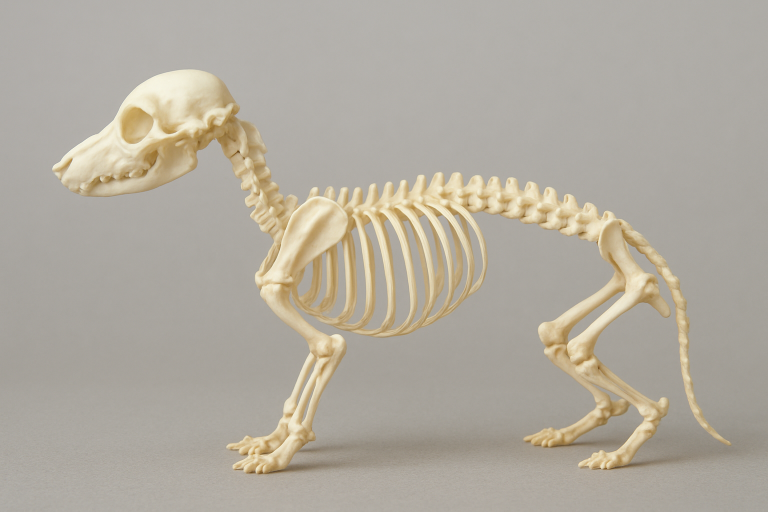
Dachshunds face unique spinal challenges due to their distinctive long backs and short legs. This body shape, while adorable, creates extra stress on their spine and makes them more likely to develop serious back problems throughout their lives.
The most common spinal issue affecting dachshunds is Intervertebral Disc Disease (IVDD), which can cause pain, weakness, and even paralysis if left untreated. This condition occurs when the discs between the vertebrae become damaged or compressed, leading to nerve damage and mobility problems.
Understanding the warning signs and prevention methods can help owners protect their dachshund’s spinal health. From recognizing early symptoms to implementing proper care strategies, there are many ways to support a dachshund’s back health and reduce the risk of serious complications.
Key Takeaways
- Dachshunds are prone to spinal problems like IVDD due to their long backs and short legs
- Early recognition of symptoms such as reluctance to jump or changes in walking can prevent serious complications
- Maintaining proper weight, avoiding high-impact activities, and regular veterinary care are essential for spinal health
Understanding Dachshund Spinal Anatomy and Risk Factors
Dachshunds have a unique body structure that creates specific challenges for their spinal health. Their elongated spine and short legs place extra stress on the vertebrae and discs, making them more likely to develop back problems than other dog breeds.
Unique Skeletal Structure of Dachshunds
Dachshunds possess an elongated spinal column that extends much longer than typical dogs of similar size. This extended backbone contains more vertebrae relative to their body height.
Their short legs create an unusual proportion between spine length and limb support. The barrel-shaped chest adds weight that the spine must support.
Key anatomical features include:
- Extra-long vertebral column
- Shortened leg bones (radius and ulna)
- Disproportionate spine-to-leg ratio
- Compact, heavy chest cavity
The intervertebral discs act as cushions between each vertebra. These discs absorb shock and allow flexible movement. In dachshunds, these discs experience more pressure due to the spine’s length.
Each disc contains a gel-like center surrounded by tough outer rings. This structure works harder in dachshunds than in dogs with standard proportions.
Why Dachshunds Are Prone to Spinal Issues
The long spine creates mechanical stress that affects disc health over time. Each movement places pressure along the entire vertebral column.
Primary risk factors include:
- Genetic predisposition – inherited traits that weaken disc structure
- Body weight distribution – concentrated pressure on the spine
- Age-related changes – disc deterioration over time
- Activity level – high-impact movements increase stress
Dachshund spinal issues often involve intervertebral disc disease (IVDD). This condition occurs when discs bulge, rupture, or degenerate.
The breed’s anatomy makes certain spinal segments more vulnerable. The thoracolumbar region experiences the most stress during daily activities.
Lifestyle factors can worsen these anatomical disadvantages. Obesity increases spinal pressure, while certain activities place additional strain on the back.
Common Spinal Problems in Dachshunds
Dachshunds face several serious spinal conditions due to their long backs and short legs. The most common issue is intervertebral disc disease, which can cause severe pain and paralysis, while other spine disorders also affect many dogs in this breed.
Intervertebral Disc Disease (IVDD) in Dachshunds
IVDD represents the most serious spinal problem affecting dachshunds. This condition occurs when the discs between the vertebrae become damaged, herniated, or compressed.
The disease happens because dachshunds have elongated spines that put extra pressure on the intervertebral discs. These discs act as cushions between the spine bones.
When a disc herniates, it bulges out and presses against the spinal cord. This pressure causes pain, weakness, and can lead to partial or complete paralysis.
IVDD symptoms include:
- Reluctance to jump or climb stairs
- Difficulty walking or changes in gait
- Weakness in the legs
- Loss of bladder or bowel control
- Severe back pain and crying
The location of the affected disc determines which body parts are affected. Neck disc problems cause weakness in all four legs, while lower back disc issues mainly affect the rear legs.
IVDD can develop gradually or happen suddenly. Some dogs show mild symptoms for weeks, while others become paralyzed within hours.
Other Back and Spine Disorders
Dachshunds also develop other spinal conditions beyond IVDD. These problems can cause pain and mobility issues throughout their lives.
Degenerative disc disease affects older dachshunds as their spinal discs wear down over time. This condition causes chronic pain and stiffness but typically develops more slowly than IVDD.
Osteoarthritis commonly affects the spine in aging dachshunds. The joints between vertebrae become inflamed and painful, making movement difficult.
Spinal injuries occur more frequently in dachshunds due to their spine structure. Falls, jumps, and rough play can damage the vertebrae or surrounding tissues.
These conditions often show similar symptoms to IVDD, including back pain, stiffness, and reduced activity levels. However, they usually progress more slowly and may respond better to conservative treatment options.

Recognizing Symptoms of Spinal Health Issues
Dachshund owners must watch for specific warning signs that indicate spinal problems are developing. These symptoms range from subtle behavioral changes to serious mobility issues that require immediate veterinary attention.
Early Warning Signs and Behavioral Changes
Loss of appetite often appears as one of the first signs of back problems in dachshunds. Dogs experiencing spinal pain may suddenly show less interest in food or refuse to eat entirely.
Reluctance to jump or climb becomes noticeable when dachshunds avoid activities they once enjoyed. They may hesitate before jumping onto furniture or refuse to use stairs.
Changes in posture include a tense or sensitive abdomen. Dachshunds with spinal issues often hold their belly muscles tight due to pain.
Behavioral shifts can include increased aggression or withdrawal. Dogs may snap when touched or hide from family members.
Key early symptoms to monitor:
- Decreased activity levels
- Whimpering or crying when moving
- Difficulty getting comfortable when lying down
- Sensitivity when being picked up
Mobility Loss and Neurological Symptoms
Gait changes represent serious progression of spinal issues. Dachshunds may develop an unsteady walk or drag their back legs.
Weakness in the limbs often starts gradually. Owners notice their dog’s legs giving out or trembling during normal activities.
Coordination problems signal neurological involvement. Dogs may stumble, fall over, or have trouble controlling their movements.
Severe neurological symptoms require emergency care:
- Complete inability to move back legs
- Loss of bladder or bowel control
- Severe pain when touched
- Paralysis in any limb
Progressive weakness can develop rapidly. What starts as mild unsteadiness can progress to complete paralysis within hours in severe cases of spinal problems.
Diagnosis and Veterinary Assessment
Getting the right diagnosis for dachshund spinal problems requires a complete veterinary exam and specialized testing. Vets use physical tests to check for pain and nerve damage, then may use imaging to see the exact problem.
Physical Examinations and Medical History
The vet will start by asking about the dog’s symptoms and recent behavior changes. They want to know when the pain started and how it has changed over time.
During the physical exam, the vet checks the dog’s gait and range of motion. They watch how the dachshund walks and moves to spot problems.
The vet tests the dog’s reflexes in different parts of the body. Poor reflexes can show nerve damage from spinal issues.
Spinal palpation involves gently pressing along the spine to find painful areas. The dog’s reaction helps locate the problem spot.
The vet also checks for neurological signs like weakness or loss of feeling. These tests help determine how severe the IVDD might be.
Clinical exams alone cannot diagnose disc problems completely. The vet needs more tests to confirm spinal cord compression.
Advanced Imaging and Testing
X-rays are often the first imaging test used. However, they cannot show spinal cord compression or disc material clearly.
MRI scans give the best pictures of spinal discs and nerve tissue. They show exactly where disc material is pressing on the spinal cord.
CT scans can also help diagnose spinal problems. They show bone changes and some disc issues better than X-rays.
Myelography involves injecting dye around the spinal cord before taking X-rays. This older test is less common now but still useful in some cases.
These imaging tests help vets plan the best treatment for each dog. They show whether surgery is needed or if other treatments might work.
The timing of these tests matters for dachshund health. Quick diagnosis leads to better outcomes for dogs with severe IVDD symptoms.
Treatment and Management Strategies for Spinal Disorders
Dachshunds with spinal problems need quick treatment to prevent permanent damage. Treatment choices depend on how severe the injury is and what type of problem the dog has.
Medical and Surgical Treatments
Non-surgical treatment works well for mild to moderate spinal problems. Vets often prescribe NSAID pain relievers to reduce swelling and pain. Steroids help control inflammation in the spine.
Muscle relaxants can ease tight muscles around the injured area. Some dogs need antibiotics if the vet suspects a spinal infection.
Surgical intervention becomes necessary for severe IVDD cases. Surgery works best when done within 24-48 hours of injury. The vet removes the damaged disc material that presses on the spinal cord.
Dogs with paralysis or severe pain often need surgery. The success rate is higher when treatment starts early.
Weight management plays a key role in all treatments. Extra weight puts more stress on the spine. Keeping the dog at a healthy weight helps reduce pain and prevents more damage.
Physical Rehabilitation and Mobility Support
Physical therapy helps dogs recover from spinal injuries. Swimming is one of the best exercises because it builds muscle without stressing the spine. Water supports the dog’s weight while allowing movement.
Mobility aids make daily life easier for dogs with back problems. Body support harnesses reduce strain on the neck and back during walks. These harnesses distribute weight more evenly than regular collars.
Orthopedic bedding provides proper spine support during rest. Memory foam beds help maintain proper alignment while sleeping.
Exercise restrictions are important during recovery. Dogs should avoid jumping, running up stairs, or playing rough games. Short, controlled walks on flat surfaces work best.

Preventing and Reducing the Risk of Spinal Health Problems
Dachshunds face unique spinal challenges due to their body structure, but owners can take specific steps to protect their dogs’ backs. Key prevention strategies include proper lifting techniques, maintaining healthy weight, and understanding genetic factors that contribute to spinal problems.
Proper Handling and Activity Guidelines
Lifting and carrying dachshunds requires special care to protect their spine. Always support both the chest and hindquarters when picking up the dog. Never lift by grabbing under the front legs alone.
Restrict jumping from furniture, beds, or cars. Use ramps or steps to help dachshunds reach higher surfaces safely. This reduces sudden impact on the spine.
Limit stair climbing when possible. Carry the dog up and down stairs, especially steep ones. If stairs are unavoidable, teach the dog to go slowly.
Exercise should be moderate and controlled. Swimming is excellent for building core strength without stressing the spine. Avoid high-impact activities like frisbee or agility training.
Walking on leashes prevents sudden movements that could injure the back. Avoid retractable leashes that allow dogs to run and stop quickly.
Weight Management and Lifestyle Factors
Maintain ideal body weight to reduce pressure on the spine. Even one extra pound puts significant stress on a dachshund’s back. Feed measured portions and avoid overfeeding.
Core muscle strengthening supports the spine naturally. Encourage controlled walking on different surfaces and gentle hill walking. Balance exercises on stability balls can help build strength.
Provide supportive bedding with orthopedic foam. Raised food bowls reduce neck strain during eating. Keep the dog warm, as cold weather can worsen joint stiffness.
Regular veterinary checkups catch problems early. Schedule spine evaluations every six months for adult dachshunds. Early detection allows for better treatment outcomes.
Genetic Considerations and Breeding Practices
Choose reputable breeders who test breeding dogs for spinal problems. Ask for health clearances and family history of back issues. Avoid puppy mills that don’t screen for genetic problems.
Understand family history of the puppy’s parents and grandparents. Dogs from lines with fewer back problems have better odds of staying healthy.
Consider genetic testing for disc disease markers when available. Some tests can identify dogs at higher risk for developing spinal problems.
Spay and neuter timing may affect bone development. Discuss optimal timing with a veterinarian familiar with dachshund health needs.