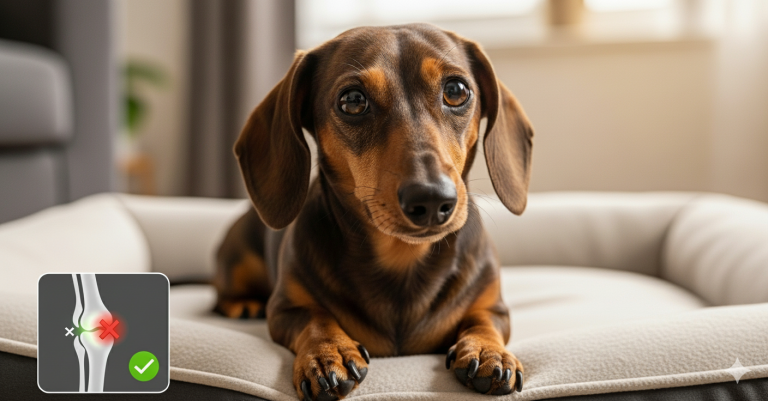
Hip dysplasia affects the ball-and-socket joint in a dachshund’s hip, causing the joint to form incorrectly and leading to pain and mobility issues. While hip dysplasia in dachshunds is less common than in larger breeds, it can still significantly impact a dog’s quality of life when it occurs. The condition causes the hip joint to become loose and unstable, which leads to inflammation and arthritis over time.
Early detection and proper treatment can help dachshunds with hip dysplasia live comfortable, active lives despite their diagnosis. The key lies in recognizing the warning signs early and working with a veterinarian to create an effective management plan. Many owners don’t realize their dachshund has hip problems because hip dysplasia is rarely talked about with dachshunds as they much more often suffer from back problems.
Understanding the symptoms, treatment options, and prevention methods empowers dachshund owners to make informed decisions about their dog’s joint health. From weight management and physical therapy to surgical interventions when necessary, multiple approaches can help manage this condition effectively.
Key Takeaways
- Hip dysplasia causes improper hip joint formation in dachshunds, leading to pain and reduced mobility over time
- Early recognition of symptoms like limping and difficulty moving allows for better treatment outcomes
- Treatment ranges from weight management and supplements to surgery, depending on the severity of the condition
What Is Hip Dysplasia in Dachshunds?
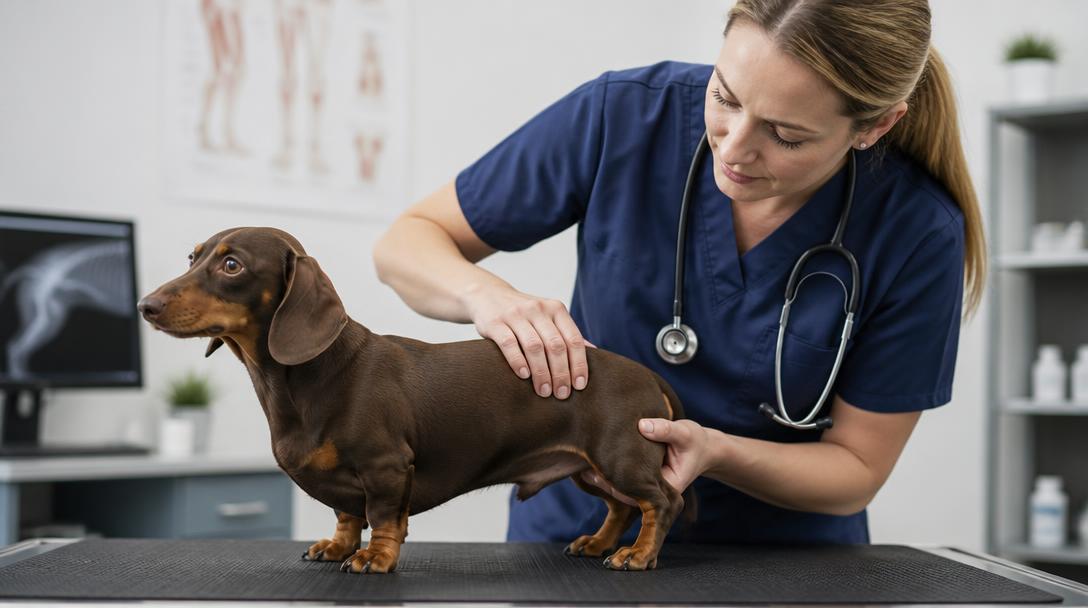
Hip dysplasia is a genetic condition where the hip joint forms incorrectly, causing the ball and socket to rub and grind instead of fitting smoothly together. This leads to joint damage, pain, and reduced mobility in affected Dachshunds.
Understanding the Condition
Hip dysplasia is a genetic condition that affects how the hip joint develops. The hip joint is a ball-and-socket structure where the femoral head (ball) should fit snugly into the acetabulum (socket).
In dogs with hip dysplasia, this joint forms improperly. The ball doesn’t sit correctly in the socket, creating looseness or laxity in the joint.
Key characteristics of hip dysplasia include:
- Abnormal joint development during growth
- Loose fit between the ball and socket
- Progressive joint deterioration over time
- Genetic inheritance from parent dogs
The condition begins as puppies grow and develop. Poor joint formation leads to instability that worsens with age and activity.
Over time, the abnormal movement causes wear and tear. This results in inflammation and eventually arthritis in the affected hip joints.
How Hip Dysplasia Affects Dachshunds
Hip dysplasia in Dachshunds is less common than in larger breeds, but it still poses serious health concerns. The condition affects the ball-and-socket joint, causing looseness, inflammation, and eventual arthritis.
Dachshunds face unique challenges due to their body structure. Their long spine and short legs put extra stress on their joints and hips.
Physical effects on Dachshunds:
- Joint instability during movement
- Pain when walking or running
- Reduced range of motion
- Muscle weakness in the hindquarters
The grinding motion of the malformed joint creates ongoing damage. This leads to chronic pain and difficulty with normal activities like climbing stairs or jumping.
Hip dysplasia can lead to pain, joint instability, and a lower quality of life when left untreated. The condition progresses differently in each dog, with some showing symptoms early while others develop problems later in life.
Causes and Risk Factors

Dachshund hip dysplasia develops through a combination of inherited genetic factors and environmental influences during growth. The condition becomes more severe when rapid growth, poor nutrition, and excessive activity affect dogs already carrying genetic mutations.
Genetic Predisposition
Hip dysplasia is a genetic condition that passes from parents to offspring through multiple genes. Unlike single-gene disorders, this complex trait involves many different genetic mutations working together.
Dachshunds inherit varying degrees of risk from their parents. Dogs with normal-looking hips can still carry problem genes and pass them to their puppies.
Key genetic factors include:
- Multiple gene mutations affecting joint development
- Inherited loose joint structures
- Abnormal cartilage formation genes
- Family history of hip problems
Studies show heritability estimates range from 0.1 to 0.83 depending on the dog population studied. This wide range shows how environmental factors can mask or worsen genetic problems.
Responsible breeders screen their dogs before breeding. However, genetic testing remains limited for most breeds except Labrador Retrievers.
Impact of Early Spaying and Neutering
Early spaying and neutering before six months of age increases hip dysplasia risk in many dog breeds. These surgeries remove hormones that help control normal bone and joint growth.
Growth hormone effects include:
- Delayed growth plate closure
- Longer leg bones than normal
- Changed joint angles
- Increased joint stress
Studies show dogs spayed or neutered before six months have higher rates of joint problems. The hormones estrogen and testosterone help bones develop properly.
For dachshunds already at genetic risk, early surgery may worsen joint development. Many veterinarians now recommend waiting until dogs reach physical maturity.
The timing varies by individual dog size and development. Owners should discuss optimal surgery timing with their veterinarian based on their dog’s specific risk factors.
Environmental and Lifestyle Influences
Environmental factors can trigger hip dysplasia in genetically susceptible dachshunds. Excessive calories, rapid growth, and heavy exercise create major risks during puppyhood.
Critical risk periods:
- Birth to 18 months of age
- Rapid growth phases
- Weight gain periods
- High activity times
Overfeeding causes fast growth that outpaces joint development. Soft tissues like ligaments and joint capsules cannot keep up with bone growth.
Environmental risk factors:
- Overfeeding – Too many calories speed growth
- Heavy exercise – Jumping and running stress developing joints
- Slippery floors – Cause abnormal joint movement patterns
- Obesity – Extra weight strains hip joints
Proper nutrition with controlled portions helps puppies grow at healthy rates. Limited exercise on soft surfaces protects developing joints during growth.
Recognizing Signs and Symptoms
Dachshund owners should watch for specific physical changes like limping, difficulty standing, and unusual walking patterns. Dogs may also show behavioral shifts such as reluctance to play or climb stairs, and symptoms typically worsen over time without treatment.
Changes in Gait and Mobility
Signs of hip dysplasia in younger dogs often appear as mechanical lameness before one year of age. Affected dachshunds develop a distinctive swaying or bunny-hopping gait when running.
The dog may favor one or both hind legs while walking. This creates an uneven, wobbly appearance that becomes more noticeable during exercise.
Common mobility issues include:
- Difficulty rising from lying down
- Trouble climbing stairs or jumping onto furniture
- Shortened stride length in hind legs
- Stiffness after periods of rest
Dogs with hip dysplasia often take longer to stretch when getting up. They may appear hesitant when transitioning between sitting and standing positions.
The condition causes a narrow stance in the hind legs. Some dogs make audible grating sounds when moving their hip joints.
Behavioral Indications
Dachshunds with hip dysplasia show clear changes in their activity levels and preferences. They often avoid activities that once brought them joy.
The dog may refuse to go on long walks or stops frequently during exercise. Playing fetch becomes less appealing, and they may drop the ball sooner than usual.
Behavioral warning signs include:
- Reluctance to use stairs or jump
- Decreased interest in physical activities
- Preference for soft surfaces when lying down
- Guarding of the hip area when touched
Some dogs become more irritable or aggressive when their hip area is handled. This pain response helps owners identify problem areas.
The dog may sleep more often or choose different resting positions. They often seek out padded surfaces and avoid hard floors.
Progression of Symptoms
Hip dysplasia symptoms in dachshunds can appear during puppyhood but may not develop until the dog reaches middle age or becomes senior.
Early stages typically involve mild stiffness after exercise. The dog recovers quickly with rest and shows normal activity levels most of the time.
Progressive symptom stages:
| Stage | Primary Signs | Typical Age |
|---|---|---|
| Early | Mild stiffness, occasional limping | 6 months – 2 years |
| Moderate | Regular lameness, reduced activity | 2 – 5 years |
| Advanced | Constant pain, severe mobility loss | 5+ years |
As the condition advances, symptoms become more constant. The dog experiences daily discomfort rather than occasional episodes.
Muscle mass decreases in the hind legs due to reduced use. This creates a noticeable difference between the front and rear leg muscles.
Without treatment, dogs develop secondary arthritis in the affected joints. This compounds the original problem and increases pain levels significantly.
Diagnosis and Veterinary Assessment
Veterinarians use specific physical tests and imaging methods to diagnose hip dysplasia in dachshunds. Early detection helps prevent joint damage and improves treatment outcomes.
Physical Examination
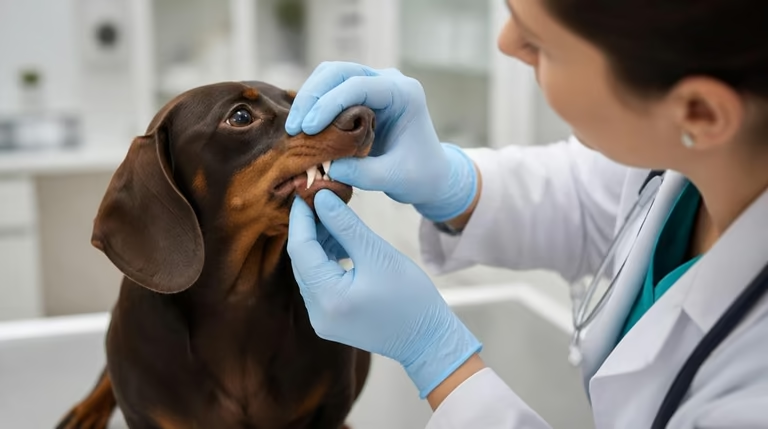
Veterinarians begin with hands-on tests to check for joint looseness and pain. The Ortolani test is the most common method used to detect hip joint laxity.
During this test, the dog lies on its side while the vet applies pressure along the thigh bone. The vet then slowly moves the leg outward to check if the hip joint pops back into place.
A positive Ortolani test means the hip joint is loose. However, negative results don’t always mean the hip is normal because joint thickening can interfere with the test.
Bardens’ test works better for young puppies between 6-8 weeks old. The vet lifts the thigh bone and pushes it away from the joint. Movement greater than 2 millimeters suggests hip problems.
Veterinarians also check for:
- Pain when moving the hip joint
- Muscle loss in the back legs
- Limited range of motion
- Clicking or grinding sounds
Imaging and Diagnostic Techniques
X-rays remain the main tool for diagnosing hip dysplasia in dogs. Most evaluation systems require dogs to be at least 12-24 months old for accurate results.
The hip-extended view is the standard x-ray position. Dogs must be sedated or under anesthesia to get proper positioning. This view shows joint fit and any bone changes.
PennHIP evaluation uses three different x-ray views. The distraction view measures joint looseness using a special device. The distraction index score ranges from 0 (tight joint) to 1 (very loose joint).
Key measurements include:
- Norberg angle (joint coverage)
- Distraction index (joint looseness)
- Evidence of arthritis
- Bone shape changes
CT scans provide more detailed images than regular x-rays. They can detect early joint changes that x-rays might miss. However, CT scans cost more and require specialized equipment.
Veterinarians compare results to breed standards and age-appropriate joint development to make the final diagnosis.
Treatment and Management Strategies
Effective dachshund hip dysplasia treatment and prevention requires a multi-layered approach combining medical intervention, physical therapy, and environmental changes. Treatment success depends on early detection, severity of the condition, and consistent implementation of management strategies.
Conservative Therapies
Non-surgical treatments form the foundation of hip dysplasia management in most dachshunds. These approaches focus on reducing inflammation, maintaining joint function, and slowing disease progression.
Medications play a central role in conservative treatment. Non-steroidal anti-inflammatory drugs (NSAIDs) effectively manage pain and inflammation with minimal side effects. Veterinarians commonly prescribe these medications as first-line treatment.
Joint supplements support cartilage health and joint function. Key supplements include:
- Glucosamine sulfate
- Chondroitin sulfate
- Omega-3 fatty acids
- MSM (methylsulfonylmethane)
Injectable treatments offer targeted relief for moderate cases. Polysulfated glycosaminoglycan injections administered daily can significantly improve joint function and comfort levels.
Physical therapy maintains muscle strength and joint mobility. Professional canine rehabilitation specialists design exercise programs specific to each dog’s needs and limitations.
Surgical Options
Surgery becomes necessary when conservative treatments fail to provide adequate relief. Surgical intervention is most effective in younger dogs and depends on the severity of joint damage.
Total hip replacement represents the gold standard for severe hip dysplasia. This procedure completely replaces the damaged joint with artificial components, restoring normal function and eliminating pain.
Femoral head ostectomy (FHO) removes the ball portion of the hip joint. The surrounding muscles form a false joint that provides pain-free mobility, though with some reduction in function.
Preventive surgeries work best in young dogs before significant joint damage occurs:
- Juvenile pubic symphysiodesis
- Triple pelvic osteotomy (TPO)
- DARthroplasty
These procedures modify hip joint development to prevent or reduce future problems. Early intervention typically produces better long-term outcomes.
Lifestyle Modifications
Environmental changes reduce stress on affected joints and improve quality of life. These modifications complement medical treatments and help prevent symptom progression.
Weight management remains critical for treatment success. Excess weight increases joint stress and accelerates cartilage damage. Maintaining ideal body condition through portion control and appropriate exercise significantly improves outcomes.
Home modifications minimize joint strain during daily activities:
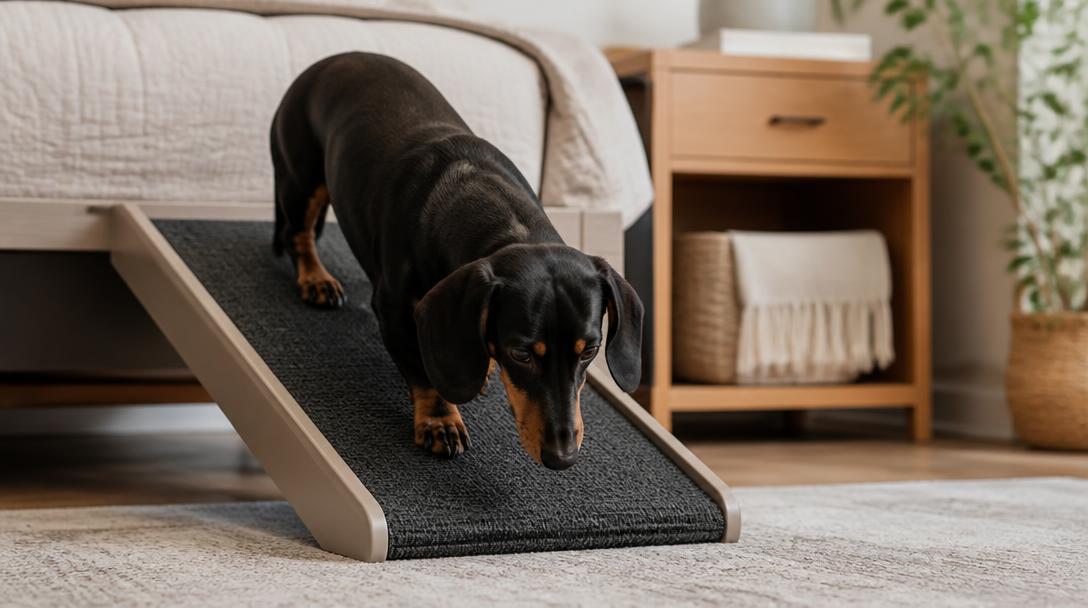
- Ramps replace stairs for furniture and car access
- Non-slip rugs prevent sliding on smooth floors
- Orthopedic bedding supports joints during rest
- Raised food bowls reduce neck and back strain
Exercise modification maintains fitness while protecting joints. Low-impact activities like swimming provide excellent conditioning without excessive joint stress. Supported walking with harnesses helps maintain mobility.
Temperature management helps control pain and stiffness. Warm environments and heated bedding improve comfort, while cold weather may worsen symptoms.
Pain Management Approaches
Comprehensive pain control improves quality of life and maintains activity levels. Multi-modal approaches typically provide better results than single treatments.
Prescription medications form the cornerstone of pain management. Veterinarians may prescribe stronger pain relievers for severe cases, including tramadol or gabapentin for nerve-related pain.
Alternative therapies complement traditional treatments. Acupuncture and laser therapy show promise, though evidence varies. These treatments work best alongside conventional medicine rather than as replacements.
Massage therapy improves circulation and reduces muscle tension. Professional animal massage therapists or trained owners can provide regular treatments to maintain comfort and mobility.
Heat and cold therapy manage acute pain episodes. Warm compresses before activity and cold therapy after exercise help control inflammation and discomfort.
Regular pain assessment ensures treatment effectiveness. Veterinarians use standardized pain scales and owner observations to adjust treatment plans as needed.
Prevention and Long-Term Care
Preventing hip dysplasia in dachshunds requires careful attention to breeding practices, maintaining proper weight, and providing appropriate exercise. Early intervention and consistent management can significantly reduce the severity of symptoms and improve quality of life.
Breeding and Genetic Screening
Responsible breeding practices form the foundation of hip dysplasia prevention in dachshunds. Breeders should screen their breeding dogs for hip dysplasia using radiographs and health testing through organizations like the Orthopedic Foundation for Animals.
Prospective dachshund owners should research breeders thoroughly. They should ask for health clearances from both parent dogs before purchasing a puppy.
Key screening methods include:
- X-ray evaluations of breeding dogs
- OFA hip certification ratings
- PennHIP distraction index testing
- Multi-generational health records
Only dogs with normal or higher hip joint ratings should be used for breeding. This genetic approach helps reduce the hereditary transmission of hip dysplasia.
Buyers should avoid puppy mills or breeders who cannot provide health documentation. Quality breeders will openly discuss health testing results and potential genetic risks.
Weight Management and Nutrition
Maintaining optimal body weight represents one of the most effective methods for reducing hip dysplasia symptoms in dachshunds. Excess weight places additional stress on already compromised hip joints.
Dachshunds should maintain a lean body condition throughout their lives. Owners can feel the ribs easily without pressing hard when dogs are at proper weight.
Weight management strategies:
- Measure food portions accurately
- Limit high-calorie treats
- Monitor body condition monthly
- Adjust portions based on activity level
Proper nutrition during puppyhood helps prevent excessive growth rates that contribute to joint problems. Large breed puppy formulas may benefit dachshunds prone to rapid growth.
Joint supplements containing glucosamine and chondroitin may support cartilage health. Veterinarians often recommend these supplements as early intervention for at-risk dogs.
Exercise Recommendations
Regular moderate exercise helps maintain muscle strength and joint mobility in dachshunds with hip dysplasia. The key lies in finding the right balance between activity and rest.
Low-impact activities work best for affected dogs. Swimming provides excellent exercise without stressing the hip joints.
Recommended exercises:
- Short leash walks on soft surfaces
- Controlled swimming sessions
- Gentle stretching routines
- Physical therapy exercises
High-impact activities should be avoided, including jumping, running on hard surfaces, and climbing stairs frequently. These activities can worsen joint damage over time.
Consistency matters more than intensity. Daily gentle exercise maintains better joint function than sporadic vigorous activity.
Owners should watch for signs of discomfort during exercise. Dogs may need rest days when symptoms flare up.
Related Reading
Frequently Asked Questions
Is hip dysplasia common in dachshunds?
It’s less common than in larger breeds, but it does occur and can be missed since dachshunds’ back problems tend to get more attention.
Can hip dysplasia in dachshunds be managed without surgery?
Many mild-to-moderate cases are managed successfully with weight control, low-impact exercise, joint supplements, and anti-inflammatory medication under a vet’s guidance.
What’s the difference between hip dysplasia and IVDD in dachshunds?
Hip dysplasia affects the hip joint itself, while IVDD affects the spinal discs – both can cause mobility issues, but they need different diagnosis and treatment approaches.