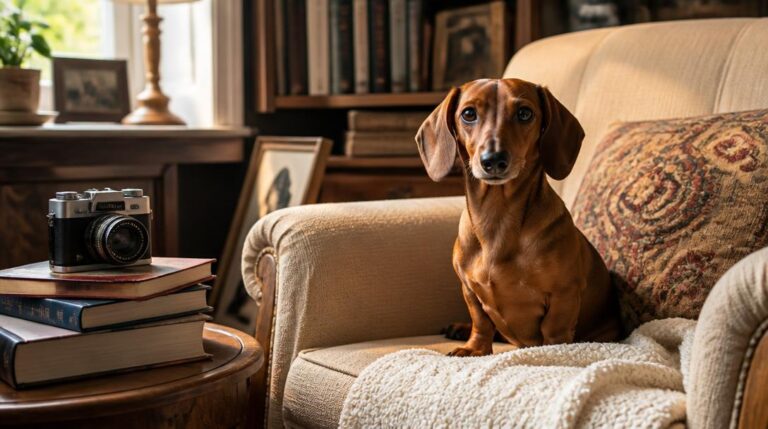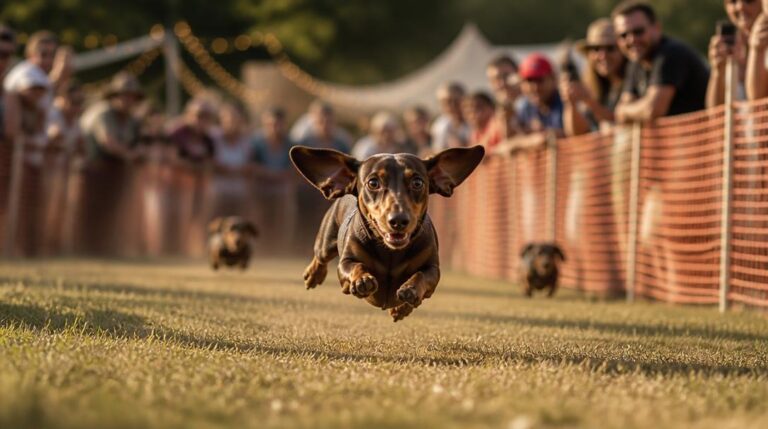
Every time I watch a dachshund dig a determined little crater in the backyard or wedge itself into the tightest gap under the couch, I’m reminded that this dog wasn’t bred to be cute first. Cute came later. The dachshund was bred to do a job most modern owners have never heard of, and that job shaped everything about the dog curled up on your lap right now – the long body, the short legs, the stubborn streak, the nose that never quits. If you’ve ever wondered why your wiener dog acts the way it does, the answer is almost always buried in its history.
I’ve spent enough time around this breed and this site to know that owners are curious about more than just care tips – they want to understand the dog itself. So let’s go back a few centuries and trace how a German badger hunter became one of the most recognizable, most-loved companion breeds in the world.
Germany’s Badger Hunter: Where the Dachshund Story Begins
The dachshund’s name gives away its origin story immediately. In German, “dachshund” translates literally to “badger dog” – Dachs meaning badger, Hund meaning dog. German breeders began developing the dog in earnest by the 1600s, working from earlier badger-hunting hound and terrier stock to create something purpose-built for one very specific and very dangerous task: going underground after badgers.
Badgers were considered vermin in much of rural Germany at the time, digging up farmland and damaging crops. Hunting them meant sending a dog into a badger’s sett – a network of narrow underground tunnels – to corner or flush out an animal that could weigh 20 to 30 pounds and fight back hard when cornered. That’s not a job for just any dog. It required a very particular set of traits, and German breeders spent generations refining them.
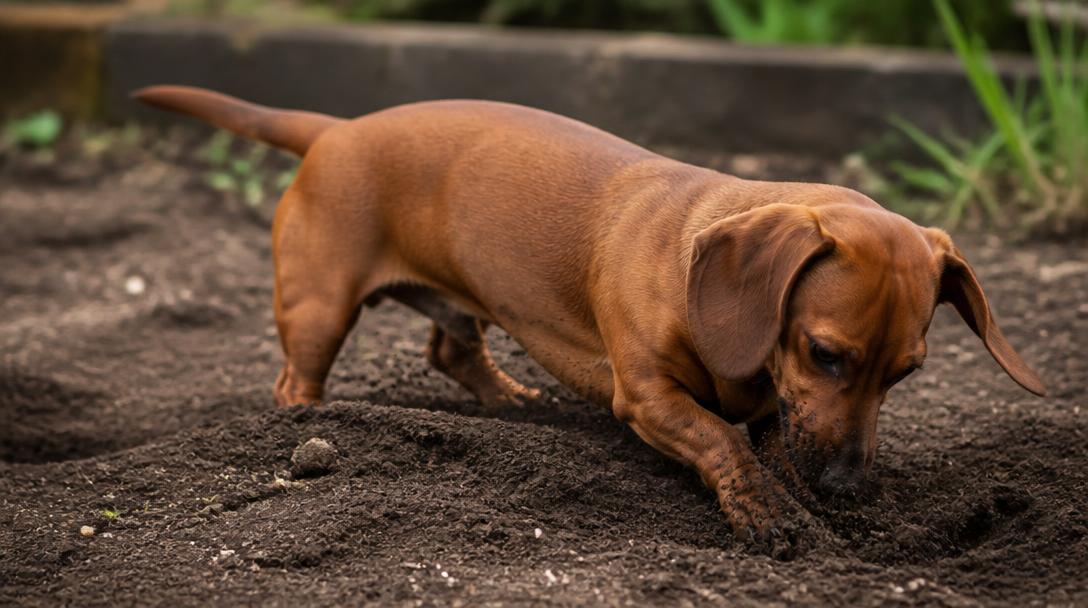
Built for the Job: Why the Dachshund Looks the Way It Does
Nearly everything distinctive about a dachshund’s body is a direct answer to the badger-hunting problem. The long, low frame let the dog move through tight tunnels that would stop a larger hound cold. The short, powerful legs and barrel-shaped chest gave it the digging strength to widen a passage or hold ground underground. The loose skin allowed it to twist and maneuver in cramped spaces without getting stuck. Even the deep, distinctive bark served a purpose – it let hunters above ground track exactly where their dog was as it worked below the surface.
The breed’s three coat types – smooth, wirehaired, and longhaired – also trace back to function rather than fashion. Smooth coats were the original, well-suited to squeezing through burrows without snagging. Wirehaired dachshunds were developed later by crossing in terrier blood, giving them a coarser coat and thicker skin better suited to hunting in dense brush and going after tougher, more aggressive quarry. Longhaired dachshunds likely came from spaniel crosses, prized for hunting above ground in open country where a softer coat and more moderate temperament worked better than a badger-fighter’s intensity.
From Standard to Miniature: How the Breed Diversified
The dachshund most people picture today – the standard size, weighing 16 to 32 pounds – was the original hunting dog built for badgers and even wild boar in some regions. But as hunting needs diversified, so did the breed. German breeders began developing a smaller version specifically to hunt rabbits and other burrowing game that standard-sized dogs were simply too large to pursue underground.
That smaller dog became the miniature dachshund, and it wasn’t a shrunken-down pet-store version of the standard – it was a working dog engineered for a different quarry. We’ve covered how today’s miniature dachshunds differ from their standard-sized relatives in more detail, but it’s worth knowing that the size difference has real hunting history behind it, not just breeder preference.
Dachshunds Cross the Atlantic: Becoming an American Favorite
Dachshunds began arriving in the United States in meaningful numbers in the second half of the 1800s, largely brought over by German immigrants who valued the breed both as hunters and as companions. The American Kennel Club officially recognized the dachshund in 1885, one of the earlier breeds admitted to the registry, and by the early 1900s the dog had shifted from a niche hunting import to a genuinely popular family pet.
Part of that popularity came from simple practicality. Not every American dachshund owner had access to badger setts, but every owner could appreciate a small, loyal, endlessly entertaining dog that didn’t need acres of land to be happy. The breed’s personality – confident, alert, more than a little opinionated – translated easily from the hunting field to the living room.
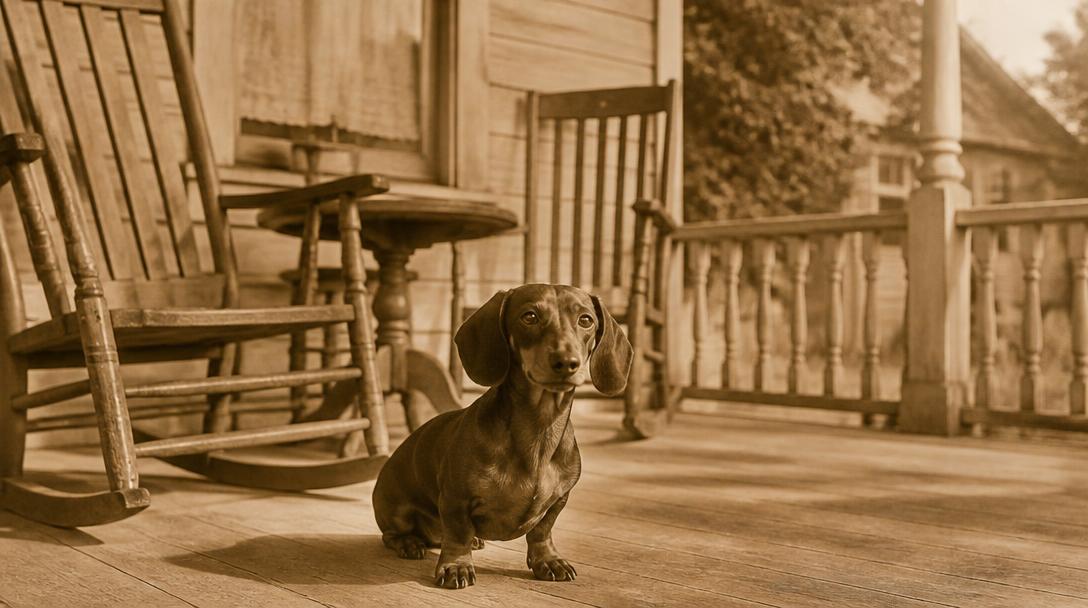
The “Liberty Pup” Era: Surviving Anti-German Sentiment
The dachshund’s history includes a rough stretch that a lot of owners today have never heard about. During both World War I and World War II, anything associated with Germany faced backlash in the United States and elsewhere, and the dachshund – with its unmistakably German name and reputation as “the German dog” – wasn’t spared. Dachshund owners in America faced harassment, breeders saw registrations plummet, and for a period the breed’s popularity and even its numbers took a real hit.
In an effort to distance the dog from the political climate, some American owners and breeders started calling dachshunds “liberty pups” or “liberty hounds” during World War I, a rebrand aimed at protecting a dog that had done nothing wrong beyond having a German name. In Germany itself, the breed nearly disappeared during and after World War II, when food shortages made keeping and breeding dogs a luxury few could afford. It took dedicated postwar breeders on both sides of the Atlantic to bring dachshund numbers back up, and the breed we know today owes a real debt to that recovery effort.
From Working Dog to Cultural Icon
By the second half of the twentieth century, the dachshund had fully completed its transformation from underground hunter to cultural mascot. Pablo Picasso’s dachshund, Lump, appears in dozens of the artist’s sketches and paintings from the late 1950s. The 1972 Munich Olympics chose a dachshund named Waldi as its official mascot – the first time the Olympics ever had one – a nod to the breed’s status as an unofficial symbol of Germany itself. And in the United States, the dachshund’s distinctive silhouette became so recognizable that it inspired an entire branch of hot dog marketing, most famously the Oscar Mayer Wienermobile.
None of that cultural staying power happens by accident. It happens because the dog underneath the mascot costume is genuinely compelling – smart, funny, fiercely loyal, and just stubborn enough to keep things interesting.
What the Dachshund’s History Tells Us About the Dog You Know Today
Understanding where the dachshund came from explains a lot about living with one now. That instinct to dig isn’t a behavior problem to train out entirely – it’s centuries of purposeful breeding surfacing in your backyard. The deep, surprisingly loud bark for such a small dog is the same trait that let hunters track their dog underground. The independent, sometimes downright stubborn streak that dachshund owners know so well comes from a dog that was bred to make split-second decisions alone, underground, without a handler nearby to direct it.
Even the breed’s famous boldness – a small dog that will confidently stand its ground against dogs many times its size – makes complete sense once you know it was bred to confront an animal that could easily outweigh and outfight it. If you want the fuller picture of dachshund temperament, size variations, and what to expect from this breed day to day, our complete guide to dachshunds is a good next stop.
Frequently Asked Questions
Why is the dachshund called a “wiener dog”?
The nickname comes from the breed’s long, low, sausage-like shape, and it stuck in American culture partly because of German sausage traditions the breed was already associated with. It’s an affectionate nickname rather than an official one – the breed’s formal name has always been dachshund.
Were dachshunds really bred to fight badgers?
Yes. The breed was specifically developed in Germany starting around the 1600s to track, corner, and sometimes fight badgers underground, which is where the long body, strong legs, and loud bark all come from.
When did dachshunds become popular as pets rather than hunting dogs?
The shift began in the late 1800s as dachshunds arrived in the United States in larger numbers and the American Kennel Club recognized the breed in 1885. By the early 1900s, most American dachshunds were kept primarily as companions rather than working hunters.
Are miniature dachshunds a different breed from standard dachshunds?
No – they’re the same breed at different sizes, developed because breeders wanted a smaller dog capable of hunting rabbits and other game too small for a standard-sized dachshund to pursue underground.
The Dog With a Story Worth Knowing
Every dachshund napping on a sofa today carries a few hundred years of purpose-built history in its long body and bold personality. Knowing that story doesn’t just make for good trivia – it makes the everyday quirks of living with a dachshund make a lot more sense. We’ll keep sharing more of these stories here, because a dog with a history this interesting deserves to have it told well.