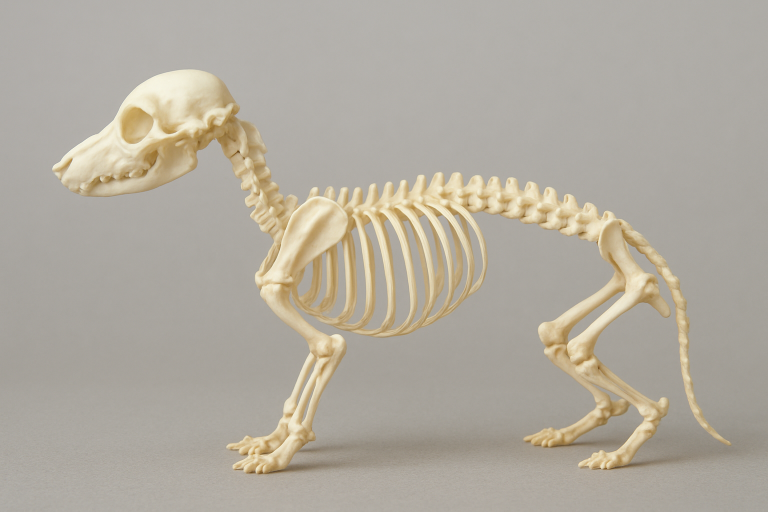
Dachshunds, often called wiener dogs, have long backs that make them prone to joint and spine problems. Joint health in dachshunds is especially important because their body shape puts extra stress on their bones and muscles. Without proper care, they can develop pain and stiffness that affect their quality of life.
Effective dachshund joint care includes regular low-impact exercise, a healthy diet, and sometimes supplements to support joint function. Preventing joint issues early helps keep these dogs active and comfortable as they age. Understanding the specific needs of dachshunds makes a big difference in managing their joint health well.
Dachshund Joint Care Strategies
Dachshunds are prone to specific joint problems that affect their daily movement and comfort. Many issues relate to their unique body shape, which puts extra stress on their joints and spine. Early recognition of joint problems, their causes, and signs helps in managing care effectively.
Common Joint Problems in Dachshunds
Dachshunds often face joint issues like arthritis, intervertebral disc disease (IVDD), hip dysplasia, elbow dysplasia, and patellar luxation.
- Arthritis causes inflammation and stiffness in joints, reducing flexibility and causing pain.
- IVDD affects the discs between the vertebrae, leading to back pain and sometimes paralysis.
- Hip and elbow dysplasia involve abnormal joint development, causing discomfort and limited mobility.
- Patellar luxation occurs when the kneecap slips out of place, causing lameness or skipping steps.
These problems stem from genetic and physical factors and often worsen without proper care. Early intervention can slow progression and maintain better mobility.
Risk Factors for Joint Issues
Certain factors increase the chances of joint problems in Dachshunds.
- Body shape: Their long back and short legs put extra strain on the spine and joints.
- Weight: Obesity greatly worsens joint stress, making joint discomfort and pain more likely.
- Age: Older dogs often develop arthritis and loss of joint flexibility.
- Activity: High-impact exercise or jumping from heights can worsen joint conditions.
Managing weight and avoiding strenuous activities are key ways to reduce joint damage. Regular, controlled exercise supports muscle strength without harming joints.
Signs and Symptoms of Joint Discomfort
Recognizing joint discomfort early can help with treatment and care. Look for:
- Reluctance to move, climb stairs, or jump
- Limping or favoring one leg
- Stiffness, especially after rest
- Whining or signs of pain during touch or movement
- Reduced activity and playfulness
Owners should watch for changes in mobility or behavior. Early symptoms often precede more serious joint damage and need veterinary attention to maintain quality of life.
For detailed prevention and care tips, see more information about joint health in Dachshunds.

Preventive Measures for Healthy Joints
Maintaining healthy joints in a Dachshund involves consistent habits that protect joint function and reduce pain risk. Key strategies include tailored physical activity, controlling weight, and feeding a diet that supports joint health. These steps help reduce stress on their unique body shape.
Regular Exercise and Low-Impact Activities
Dachshunds need regular exercise to keep joints flexible and muscles strong. However, high-impact exercises like jumping or running on hard surfaces can harm their backs and knees.
Low-impact activities such as short walks and swimming provide good cardio without too much strain. Swimming, or hydrotherapy, is especially effective because it supports the body while encouraging gentle movement.
Owners should avoid stairs and long jumping sessions, focusing instead on controlled, consistent exercise. This helps prevent mobility issues and maintains joint health over time.
Weight Management Strategies
Controlling a Dachshund’s weight is crucial to reduce joint stress. Excess weight puts added pressure on their spine and leg joints, increasing the risk of arthritis and pain.
Regularly monitoring body condition helps catch weight gain early. A target weight range specific to the Dachshund’s age and size should be maintained.
Exercise combined with portion control and limiting treats can prevent obesity. Maintaining an ideal weight decreases wear on joints and improves mobility.
Proper Nutrition for Joint Support
A balanced diet rich in lean proteins, antioxidants, and essential nutrients supports joint health. Lean proteins help repair tissues and maintain muscle strength around joints.
Antioxidants reduce inflammation that can worsen joint conditions. Omega-3 fatty acids and vitamins like C and E are beneficial components.
Some owners add joint supplements to their Dachshund’s diet after consulting a vet. Providing proper nutrition reduces the chance of stiffness and supports overall well-being.
For more detailed strategies on joint care, see tips for Dachshund joint health and care.
Dietary Supplements and Joint Support
Dachshunds often need extra help to keep their joints healthy. Certain natural dietary supplements provide important building blocks for joint repair. Others reduce inflammation and protect joint tissues from damage. Choosing the right combination can improve joint flexibility and reduce discomfort.
Glucosamine and Chondroitin Benefits
Glucosamine and chondroitin are two of the most common ingredients in joint supplements for dachshunds. Glucosamine is a natural compound found in cartilage. It helps the body build and repair cartilage, which cushions joints.
Chondroitin, often paired with glucosamine, helps retain water in the cartilage. This keeps joints flexible and acts as a shock absorber during movement. Chondroitin sulfate is the active form used in supplements to support joint health.
Together, glucosamine and chondroitin slow down cartilage breakdown. They may reduce joint pain and improve mobility, especially in dogs with arthritis or joint wear. These supplements are often recommended as a daily support for long-term joint care.
Omega-3 Fatty Acids and Antioxidants
Omega-3 fatty acids are natural fats found in fish oils. These fats help reduce joint inflammation, which is common in dogs with joint problems. They support overall joint health by decreasing swelling and improving joint comfort.
Antioxidants like vitamins C and E protect joint cells from damage caused by free radicals. This protection helps maintain healthy cartilage and connective tissues. Combining omega-3s with antioxidants creates a stronger defense against joint wear and tear.
Including both omega-3 fatty acids and antioxidants in a dachshund’s diet supports natural healing and reduces ongoing joint stress. This combination is key for both prevention and care.
Other Supportive Ingredients
Other important ingredients in joint supplements include MSM (methylsulfonylmethane) and hyaluronic acid. MSM helps lower inflammation and supports muscle and connective tissue health. It can ease joint stiffness and improve movement.
Hyaluronic acid works like a natural lubricant inside joints. It cushions and moistens the joint surfaces to reduce friction. This keeps joints moving smoothly and reduces discomfort during activity.
Many joint supplements combine these ingredients with glucosamine and chondroitin for a more complete joint support formula. Using a mix of natural components helps target multiple factors in joint health, benefiting dachshunds as they age or recover from injury.
For more details, see this guide on the best joint supplements for dachshunds.
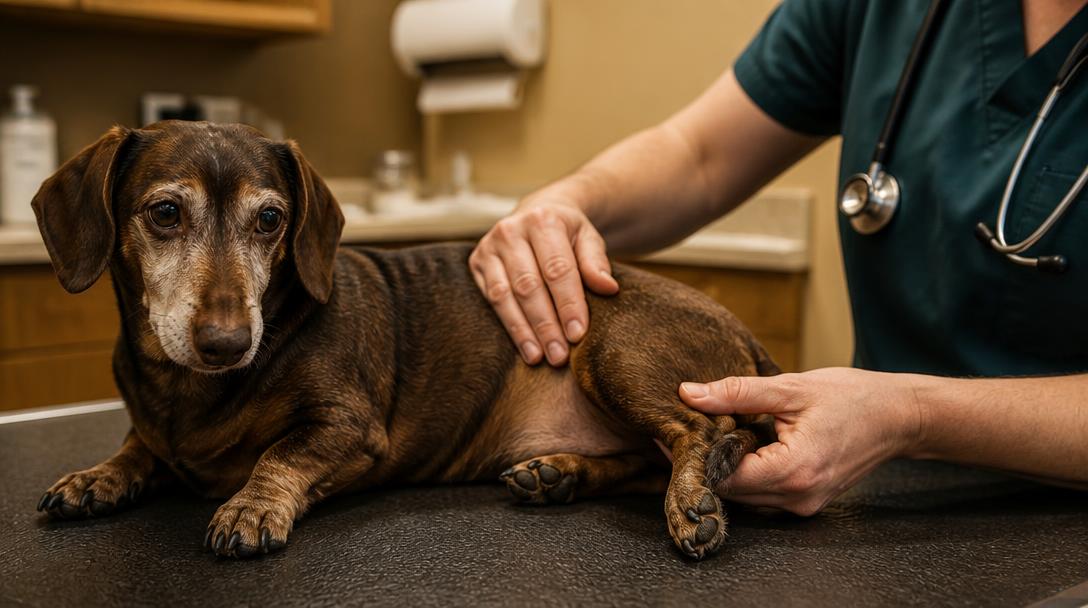
Treatment and Management of Joint Problems
Proper care for joint problems in Dachshunds involves timely medical attention and a clear treatment plan. Addressing joint pain and arthritis early can improve the dog’s quality of life and may slow the progression of damage.
Veterinary Check-Ups and Early Intervention
Regular veterinary check-ups are crucial for spotting joint problems early. Vets can assess mobility, pain levels, and joint condition before serious damage happens. Early intervention might include lifestyle changes like controlled exercise and weight management.
Identifying arthritis or joint pain soon allows the vet to suggest treatments that reduce discomfort. This can involve joint supplements, physical therapy, or anti-inflammatory medications. Consistent monitoring ensures the treatment plan adapts to the dog’s needs over time.
Medical and Surgical Options
Treatment usually starts with medications such as NSAIDs to manage inflammation and pain. These drugs help maintain comfort and improve mobility but must be used under veterinary supervision due to potential side effects.
If joint damage is severe, surgical options might be necessary. Procedures can range from cleaning the joint to more involved surgeries like joint replacement. Surgery aims to restore function and relieve persistent pain when medications and therapy are not enough.
Alternative Therapies and Supportive Care
Dachshunds with joint issues can benefit from treatments that go beyond medicine. These approaches focus on reducing pain, improving movement, and supporting the dog’s comfort with physical methods and specialized equipment.
Physical Therapy and Hydrotherapy
Physical therapy helps strengthen muscles and improve joint flexibility. It often includes exercises tailored to the dog’s condition, like controlled walking, stretching, and balancing activities. These help reduce stiffness and support better movement.
Hydrotherapy uses water exercises to lower joint stress. Walking or swimming in water supports the dog’s weight, allowing easier motion. This reduces pain while building muscle without putting pressure on sensitive joints, which is useful for dogs struggling with mobility issues.
Both therapies require guidance from professionals to ensure the dog performs exercises safely. Regular sessions can help maintain joint health and slow further damage.
Acupuncture and Massage Therapy
Acupuncture involves placing thin needles at specific points on the dog’s body. This method can relieve pain and reduce inflammation in affected joints. It also encourages the body’s natural healing process.
Massage therapy complements acupuncture by loosening tight muscles and improving blood flow. Gentle massages can ease joint pain and help the dog relax, which supports recovery and movement.
These alternative therapies should be provided by trained practitioners to avoid harm. They often work well alongside other treatments for joint problems.
Comfort and Mobility Aids
Specialized products, like orthopedic dog beds, give extra support to aching joints. These beds reduce pressure points and help improve sleep quality for dogs with joint discomfort.
Mobility aids such as ramps and harnesses assist dachshunds in moving around more easily. Ramps prevent jumping, which can worsen joint damage. Supportive harnesses help owners lift or steady dogs when needed.
Using these aids can enhance the dog’s daily life and reduce strain on painful joints, supporting long-term joint health. For more tips on joint supplements and care, see the guide to the best joint supplements for dachshunds.