Introduction
Did you know that approximately 25% of dachshunds will experience back problems during their lifetime? That’s one in every four wiener dogs!
I’ll never forget the morning I found my dachshund, Bruno, unable to move his back legs. One minute he was his normal, bouncy self, and the next—he was dragging his rear across the floor, looking up at me with these confused, scared eyes. Honestly, it was one of the most terrifying moments of my life, and I had no idea what was happening or what to do.
That experience changed everything I thought I knew about caring for dachshunds. See, before Bruno’s back gave out, I figured I was doing everything right—feeding him decent food, taking him on walks, letting him zoom around the house. What I didn’t realize was that every single time I let him jump off the couch, race up the stairs, or carry those extra few pounds, I was basically playing Russian roulette with his spine.
Dachshund back problems aren’t just some rare thing that happens to unlucky dogs. It’s practically built into their DNA, thanks to that adorable long body we all love so much! Whether you’re a first-time doxie owner or you’ve had wiener dogs your whole life, understanding what can go wrong with their backs—and more importantly, how to prevent it—could literally save your dog from paralysis or worse.
In this guide, I’m gonna walk you through everything I wish someone had told me before Bruno’s incident. We’re talking warning signs, prevention strategies, treatment options, and the real talk about costs that nobody wants to discuss but everybody needs to hear. This isn’t just textbook stuff—it’s what I learned through tears, vet bills, and way too many sleepless nights!
Why Are Dachshunds Prone to Back Problems?
Okay, so here’s the deal with dachshunds and their backs—it all comes down to that ridiculous body shape we find so stinkin’ cute.
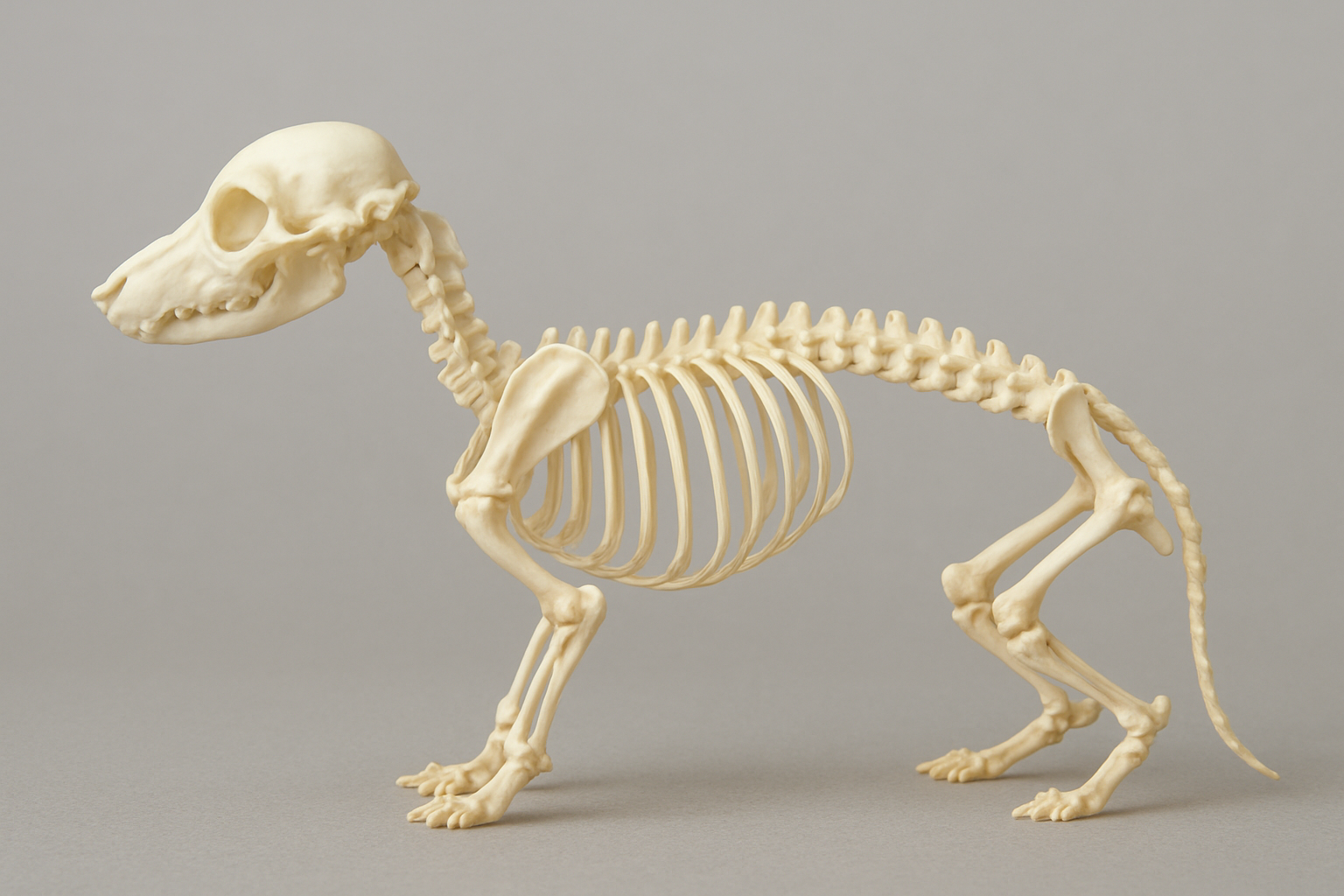
Dachshunds were bred to hunt badgers (that’s literally what “dachshund” means in German—badger dog). To squeeze into burrows and tunnels, they needed short legs and long bodies. Sounds great for hunting, right? Not so great for spinal health. Their backs are basically engineering disasters waiting to happen, and I mean that with all the love in my heart for these goofy dogs!
The technical term for their body type is “chondrodystrophic,” which is a fancy way of saying their cartilage doesn’t develop normally. This affects their legs (making them short) but also impacts the discs between their vertebrae. Those little cushions between the bones in their spine? Yeah, they’re already compromised from the get-go, even in healthy puppies.
Think of it like this: imagine building a suspension bridge that’s three times longer than it should be, but using the same number of support cables. That’s basically what’s happening with a dachshund’s spine! Every single vertebra has to support more back than it was really designed to handle, and those intervertebral discs are working overtime just during normal activity.
What really gets me is that this isn’t about bad breeding or irresponsible owners (though those things can make it worse). Even the healthiest, most well-bred dachshund from champion lines can develop back problems. It’s literally written into their genetics. Studies show that dachshunds are 10-12 times more likely to suffer from intervertebral disc disease compared to other breeds. That’s not a typo—TEN TO TWELVE TIMES!
The problem gets worse as they age, too. By the time a doxie hits middle age (around 4-6 years old), those discs have already started degenerating. Some dogs show signs earlier, some later, but the degeneration is happening whether you can see symptoms or not. It’s like having a ticking time bomb in your dog’s spine, and you don’t know when—or if—it’s gonna go off.
I used to think that if I just kept Bruno slim and didn’t let him do anything crazy, he’d be fine. Boy, was I wrong! He wasn’t even overweight, and he still herniated a disc just from a slightly awkward landing after what seemed like a normal jump. My vet explained that sometimes the disc material has been weakening for years, and it just takes one tiny wrong move to cause a rupture.
Understanding IVDD (Intervertebral Disc Disease) in Dachshunds
Alright, let’s talk about IVDD—the acronym that every dachshund owner learns to dread.
Intervertebral Disc Disease is basically what happens when those cushion-like discs between the vertebrae either bulge, rupture, or herniate into the spinal cord area. Imagine if you had a jelly donut between each bone in your spine, and suddenly one of those donuts exploded and the jelly squirted onto your nerves. Sounds painful, right? Because it absolutely is!
There are two main types of IVDD, and understanding the difference actually matters. Type I IVDD is what happens in chondrodystrophic breeds like dachshunds—it’s sudden and dramatic. The disc’s inner gel-like material (called the nucleus pulposus, if you wanna sound smart at the vet) basically bursts through the outer layer and shoots into the spinal canal. This usually happens in younger to middle-aged dogs, like between 3-7 years old. It comes on fast and furious, and your dog goes from normal to paralyzed sometimes within hours.
Type II IVDD is more of a slow degeneration thing that happens in older dogs and different breeds. The disc gradually bulges over time rather than exploding. It’s less common in dachshunds, so most of the time when we’re talking about doxie back problems, we’re dealing with Type I.
When Bruno had his episode, I remember the vet showing me X-rays and explaining how his disc had basically exploded like a little spinal grenade. The pressure on his spinal cord was cutting off signals from his brain to his back legs, which is why he couldn’t walk. Even worse, that pressure was causing inflammation and swelling, which created even MORE pressure—it’s like this horrible domino effect.
The statistics are honestly pretty grim. Research shows that dachshunds have about a 19-24% chance of developing IVDD during their lifetime, depending on which study you look at. And once a dog has one episode, they’re way more likely to have another one—sometimes in a different spot on the spine!
Here’s what really blew my mind: the discs can start calcifying (turning hard and brittle) as early as one year old in dachshunds. You can’t see it happening, and your dog acts completely normal, but inside, those discs are slowly becoming less flexible and more prone to rupture. It’s like how a new rubber band is stretchy and strong, but an old one snaps easily—except this is happening in your dog’s spine while they’re still practically a puppy.
Not every dachshund gets IVDD, though, and that’s important to remember before you start panicking. Some dogs live their entire lives without a single back problem! But understanding what IVDD is and how it works helps you recognize the signs early, and early detection can literally mean the difference between full recovery and permanent paralysis.
Early Warning Signs of Back Problems in Dachshunds
Man, I wish I’d known what to look for before Bruno’s back gave out completely. There were signs—I just didn’t recognize them for what they were!
The tricky thing about early IVDD symptoms is that they can be super subtle. Your dog might just seem a little “off,” and you figure they’re tired or maybe pulled a muscle. Dachshunds are also drama queens by nature, so it’s hard to tell sometimes if they’re actually hurt or just being theatrical about wanting attention!
One of the first things I noticed with Bruno, looking back, was that he started hesitating before jumping onto the couch. He’d done it a million times before without thinking twice, but suddenly he’d sit there and kinda stare at it for a second. I thought he was just being weird—turns out, his back was probably already hurting, and he was nervous about the impact of landing.
Another thing that should’ve tipped me off was his reluctance to go up stairs. He’d always been a little cautious on stairs (they’re dangerous for doxies anyway), but he started really slowing down and sometimes would just sit at the bottom and bark at me. I got frustrated with him, thinking he was being stubborn. Nope—he was in pain, and I was too clueless to realize it!
Watch for changes in how your dachshund holds their neck or back. If they’re walking with a hunched posture, or if their back looks arched or tense, that’s a red flag. Bruno started walking a bit stiffly, almost like he was tiptoeing, especially in the mornings. I figured he was just stiff from sleeping in a weird position. Wrong again!
Sensitivity to touch is huge, too. If your doxie suddenly yelps when you pet them in certain spots, or if they flinch when you go to pick them up, don’t ignore that. Dogs are really good at hiding pain until it becomes unbearable, so if they’re showing discomfort, it’s probably worse than it looks.
Some dogs get really clingy or unusually quiet when they’re dealing with back pain. Bruno stopped greeting me at the door with his usual enthusiasm and started spending more time just lying in his bed. I thought maybe he was depressed or something—turns out he just hurt too much to be bouncy!
Shaking or trembling is another sign that a lot of people miss. If your dachshund is trembling and it’s not cold, and they’re not excited or scared, they might be in pain. The muscles around the injured area often spasm, which causes that shaking. It’s their body trying to protect the injury, but it looks like they’re just shivering.
Here’s a weird one—changes in how they potty. If your normally house-trained dog suddenly starts having accidents, or if they’re straining to pee or poop, back pain could be the culprit. The nerves that control the bladder and bowels run through the spine, so if there’s pressure on the spinal cord, it can affect those functions even before there’s obvious paralysis.
Loss of coordination is a big warning sign that things are getting serious. If your dachshund seems wobbly, is crossing their back legs when they walk, or is dragging their feet (you might hear their nails scraping), you need to get to a vet ASAP. This means the spinal cord is being compressed enough to affect their motor control.
The thing is, every dog is different, and symptoms can range from barely noticeable to dramatic. Some dachshunds go from perfectly fine to paralyzed in hours, while others show subtle signs for weeks. That’s why knowing your dog’s normal behavior is so important—you’ll be the first to notice when something’s off!
Emergency Symptoms That Require Immediate Veterinarian Attention
Okay, this is the section I really need you to pay attention to, because this is life-or-death stuff.
When Bruno lost the use of his back legs that morning, I didn’t realize I was in a race against time. I thought maybe he’d strained something and would be fine by afternoon. WRONG! With IVDD, there’s typically a critical 24-hour window—sometimes even shorter—where surgical intervention can make the difference between your dog walking again or being paralyzed for life.
If your dachshund cannot move their back legs AT ALL, this is a drop-everything-and-get-to-the-emergency-vet situation. I’m talking about total paralysis—they’re dragging their rear, their legs are limp, and they can’t stand up. Don’t wait until morning if it’s nighttime. Don’t “see how they do” for a few hours. GO NOW.
Loss of deep pain sensation is even more critical. Your vet will test this by pinching the dog’s toes with a hemostat (basically medical pliers) to see if they react. If your dog can’t feel that, it means the spinal cord damage is severe, and you’ve got maybe 12-24 hours to get them into surgery or the damage might be permanent. When Bruno lost deep pain sensation, my vet looked at me and said, “We need to operate tonight or he might never walk again.” That’s how serious this is!
Inability to control bladder or bowels is another emergency red flag. If your dachshund is suddenly incontinent—just peeing or pooping wherever they’re lying without seeming to notice or care—that’s spinal cord compression affecting those nerves. This happened to Bruno right before we got to the vet, and honestly, it was terrifying seeing him so confused about what was happening to his own body.
Screaming or crying in pain—and I mean really crying, not just whimpering—means your dog is in agony and needs help immediately. The pain from a herniated disc pressing on the spinal cord is excruciating. Bruno let out this scream when it first happened that I’ll never forget. It was this high-pitched, panicked sound that didn’t even sound like him!
If your dog’s abdomen feels hard and tense, that can indicate severe pain and muscle spasms. When I gently touched Bruno’s belly, it was tight as a drum. That’s the body trying to stabilize and protect the injured area, but it also means the pain is really bad.
Rapid, shallow breathing or panting when they’re not hot or exercising can signal severe pain or distress. Dogs in pain often pant heavily, and you might notice their gums look paler than normal. If your doxie’s gums are white or blue instead of nice pink, that’s a sign of shock and you need emergency care like five minutes ago.
Here’s something that might surprise you—sometimes the symptoms can appear mild at first and then get worse rapidly. Bruno was walking funny in the morning, then by noon he was crying when he moved, and by early afternoon he couldn’t use his back legs at all. The progression can be FAST, so don’t assume you have time to wait and see.
One thing I really messed up on was trying to comfort Bruno by moving him around before we got to the vet. DON’T DO THAT! If you suspect a back injury, keep your dog as still as possible. Carry them carefully, keeping their spine straight and supported. Any twisting or bending of the spine can make the injury worse. Use a board or sturdy surface if you can, and keep them confined so they don’t try to move around.
Not every back problem requires emergency surgery—some can be managed conservatively—but YOU can’t make that determination! Only a vet, preferably a veterinary neurologist, can assess how severe the damage is and what your options are. When in doubt, err on the side of caution and get them checked out. I’d rather feel silly for overreacting than live with the guilt of waiting too long!
How to Prevent Dachshund Back Injuries
After Bruno’s surgery and recovery, I basically became a paranoid helicopter dog parent. But you know what? Some of that paranoia is actually justified when you own a dachshund!
The number one thing you can do to prevent back injuries is to control your dog’s environment. And I mean REALLY control it. Every single time your dachshund jumps down from furniture, they’re compressing their spine. Every time they run up or down stairs, same thing. It adds up over years, and eventually, those discs give out.
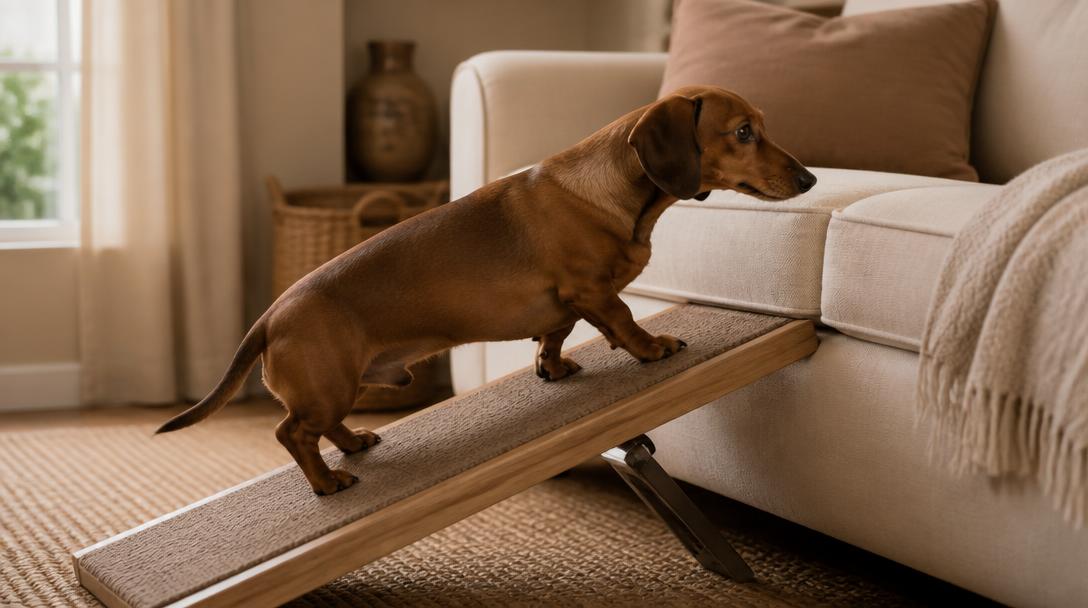
I installed ramps everywhere in my house—and I’m not exaggerating. There’s a ramp next to my bed, a ramp next to the couch, ramps going up the three stairs to my back door. Do I look ridiculous? Absolutely! Do I care? Not even a little bit. Bruno hasn’t had another back incident since we made these changes, so I consider it a win.
The thing about ramps is, you gotta teach your dog to actually USE them. I made the mistake of putting up ramps and assuming Bruno would figure it out. He just ignored them and kept jumping! You have to block off the furniture so they literally can’t jump, then reward them like crazy for using the ramp. Treats, praise, the whole nine yards. It takes patience, but it’s worth it.
Carrying your dachshund the right way is crucial, and most people do it completely wrong. You know that thing where people pick up little dogs under their front legs? NEVER do that with a dachshund! Their long spine is just dangling there, unsupported, which puts pressure on all those discs.
The right way is to support both the chest AND the rear end. One hand goes under their chest behind the front legs, and the other hand goes under their butt or between their back legs. You’re basically creating a shelf with your arms that keeps their spine horizontal and supported. It feels awkward at first, but you get used to it.
Weight management is absolutely critical—like, I cannot stress this enough. Every extra pound your dachshund carries is extra stress on their spine. Bruno wasn’t technically obese, but he was carrying maybe 2-3 pounds more than ideal. My vet said that on a small dog like a dachshund, that’s equivalent to a human carrying around an extra 30-40 pounds in terms of proportional stress on the body!
I had to get real strict about portions and treats. It sucked because Bruno has those sad puppy eyes that make you want to give him everything, but keeping him at a healthy weight is literally one of the most important things you can do for his spine. We swapped high-calorie treats for veggies (he loves carrots and green beans), and I measure his food instead of just eyeballing it.
Exercise is tricky with dachshunds. They need it for overall health and weight management, but you gotta be careful about what KIND of exercise. High-impact stuff like jumping, rough play with bigger dogs, or agility courses? Nope. Hard pass. Those activities are asking for trouble.
What works better is controlled walking on a leash, swimming if you have access to a pool (more on that later), and gentle play sessions where they’re not doing anything crazy. I used to let Bruno wrestle with my neighbor’s retriever, and they’d crash into each other and flip around—it was fun to watch, but it was basically playing Russian roulette with his spine!
Here’s something I didn’t know before: slippery floors are dangerous for dachshunds. All that scrambling and sliding they do on hardwood or tile? That creates weird torque on their spine and can contribute to injuries. I put down runners and non-slip rugs in all the main areas Bruno walks through. It looks like I’m running a yoga studio, but whatever—it helps!
Using a harness instead of a collar is another must-do. When you walk your doxie on a collar and they pull, all that pressure goes directly to their neck and spine. A well-fitted harness distributes the pressure across their chest instead. I use one of those ergonomic harnesses designed for dachshunds—it’s shaped to fit their weird body better than regular dog harnesses.
Baby gates are your friend! I gate off the stairs completely when I can’t supervise Bruno. If he absolutely has to go up or down stairs (like at other people’s houses), I carry him or I walk right next to him and go really slow. Those rapid-fire stair runs that dogs do? Terrible for dachshund backs!
One mistake I see a lot of doxie owners make is letting their dogs stand up on their hind legs to beg or dance or whatever. It looks cute, and the dogs love to do it, but it puts SO much pressure on their lower spine. I had to train Bruno to stop doing this, and honestly, it was hard because he’d been doing it his whole life. But it’s not worth the risk.
Treatment Options for Dachshund Spinal Issues
When Bruno got diagnosed with IVDD, my vet laid out the options, and honestly, none of them sounded great. But understanding what’s available can help you make informed decisions if (knock on wood) your dachshund ever has back problems.
Conservative management is the first option for less severe cases. This is basically strict crate rest, anti-inflammatory medications, and pain management. When I say “strict crate rest,” I mean STRICT. Your dog lives in a crate or small pen for 4-6 weeks, only coming out for very short, controlled potty breaks. It’s miserable for everyone involved—trust me!
The idea behind crate rest is to prevent any movement that could make the injury worse, while giving the disc material time to reabsorb and the inflammation to go down. Your dog has to be on leash even for potty breaks, and you have to support their body so they’re not twisting or jumping. No playing, no stairs, no furniture, nothing. Just rest.
Bruno wasn’t a candidate for conservative management because his case was too severe, but I have friends whose dachshunds responded well to it. The success rate for conservative treatment is decent if the dog still has deep pain sensation and can move their legs somewhat—probably around 50-60% of dogs improve significantly. But it requires insane dedication from the owner, and there’s no guarantee it’ll work.
Medications for conservative management typically include anti-inflammatories like carprofen or meloxicam to reduce spinal cord swelling, pain medications like gabapentin or tramadol, and sometimes muscle relaxers. Some vets also prescribe steroids, though that’s become more controversial. My vet explained that while steroids reduce inflammation quickly, they can also have side effects and might not improve outcomes compared to other anti-inflammatories.
Surgery is the option for severe cases or when conservative management fails. There are a few different surgical procedures, but the most common one is called a hemilaminectomy. Basically, the surgeon removes a piece of the vertebra to access the spinal cord, then removes the disc material that’s pressing on the nerves. It’s delicate, expensive, and kinda scary—but it can also save your dog’s ability to walk!
Bruno had surgery about 8 hours after he lost the ability to walk. The veterinary neurologist explained that the sooner you operate, the better the outcomes. Dogs that have surgery within 24 hours of losing deep pain sensation have about a 50% chance of recovering some function. Wait longer than that, and the odds drop fast—like to 5% or less after 48 hours.
The surgery itself took about 2 hours, and then Bruno stayed at the specialty hospital for several days for monitoring and pain management. When I finally got to bring him home, he had this huge shaved patch on his back and a long line of staples. He looked like Frankenstein’s dog, but he was alive and starting to show tiny signs of improvement!
Another surgical option is fenestration, which is more preventative. The surgeon removes the disc material from multiple discs before they herniate, kind of like a pre-emptive strike. Some people do this after one IVDD episode to prevent future ones, but it’s controversial. Not all vets recommend it, and it doesn’t guarantee you won’t have more problems.
Physical therapy and rehabilitation are HUGE for recovery, whether you do surgery or conservative management. This includes things like laser therapy (which reduces inflammation and promotes healing), underwater treadmill work, massage, range-of-motion exercises, and balance training. Bruno started rehab about a week after surgery, and I really think it made the difference in his recovery.
Laser therapy was weird at first—they basically point this laser at the surgical site, and it’s supposed to help with healing at a cellular level. I was skeptical, but Bruno seemed more comfortable after sessions, and his incision healed up really nicely. It’s not cheap (what is, with IVDD?), but it helped.
The underwater treadmill was probably the coolest part of rehab. Bruno would walk on this treadmill in a tank of warm water, and the buoyancy supported his weight while he relearned how to move his legs. He hated it at first and looked at me like I was torturing him, but after a few sessions, he actually seemed to enjoy it!
Some people try alternative treatments like acupuncture, chiropractic care, or herbal supplements. I’m not gonna lie—I was willing to try anything that might help Bruno. We did acupuncture for a while, and while I can’t say for sure it made a huge difference, it didn’t hurt, and Bruno actually relaxed during the sessions. Some dogs respond better than others.
One thing to be realistic about: not every dog recovers fully, even with surgery. Some dogs regain full function, some walk but with a limp or weakness, and some never walk again despite everyone’s best efforts. The severity of the initial injury, how quickly you get treatment, and sometimes just plain luck all play a role. Bruno eventually got back to about 85% of his normal function—he walks great but tires more easily than before and has some residual weakness in one back leg.
Living with a Dachshund After Back Surgery
The first few weeks after Bruno’s surgery were honestly harder than I expected. Everyone focuses on the surgery itself, but the recovery period is where the real work happens!
The immediate post-op period is intense. Your dog comes home on pain medications, possibly antibiotics, and you have to manage their incision site. Bruno’s incision was like 4 inches long down his back, held together with staples. It looked gnarly, and my job was to keep it clean and make sure he didn’t lick or scratch at it. That meant the dreaded cone of shame, which he absolutely hated!
I had to check the incision twice a day for signs of infection—redness, swelling, discharge, warmth, or a bad smell. Thankfully we didn’t have any complications there, but it was nerve-wracking. Every little change made me wonder if something was wrong!
Bathroom breaks were challenging at first because Bruno couldn’t really control his bladder and bowels well right after surgery. The nerve damage meant he sometimes peed without realizing it, so I had to express his bladder manually a few times a day. Your vet or a vet tech can show you how to do this—it’s basically gentle pressure on the lower abdomen to squeeze out the urine. Sounds gross, and yeah, it kinda is, but you get used to it!
We kept Bruno confined to a large crate for the first month post-surgery. I know crating feels cruel, but movement can jeopardize the healing process. He could stand up, turn around, and lie down comfortably, but he couldn’t run, jump, or play. Every single time he came out for bathroom breaks, he was on a leash with me right there supporting his rear end.
Sleep was rough for both of us those first couple weeks. Bruno was uncomfortable, even with pain medication, and he’d whimper during the night. I ended up sleeping on the floor next to his crate some nights just so I could comfort him and monitor him. Not gonna lie, I was exhausted!
Physical therapy started around day 10 post-surgery. At first it was just gentle range-of-motion exercises where I’d carefully bend and extend his joints to keep them from getting stiff. The rehab vet showed me how to do passive stretches and massage to help with circulation and prevent muscle atrophy.
By week three, we graduated to more active exercises. We did stuff like helping him stand with a towel sling under his belly for support, working on weight-shifting exercises, and very short, controlled walks. Everything was slow and supervised—no running, no playing with other dogs, no excitement whatsoever!
The emotional aspect was tough, too. Bruno went from being this bouncy, energetic dog to basically an invalid overnight. I felt guilty every time I looked at him, wondering if I’d done something wrong or if I could’ve prevented it. And honestly? He seemed depressed for a while. Dogs don’t understand why they suddenly can’t do the things they used to do, and it’s heartbreaking to watch.
We had to completely rearrange our house for his recovery. Non-slip rugs everywhere so he wouldn’t slide when he was learning to walk again. His food and water bowls got moved to be right next to his crate so he didn’t have to walk far. I cleared out floor space so there were no obstacles for him to navigate around. Our house looked like a hospital for a while!
One thing that helped both of us was setting small, achievable goals. First goal: standing on his own for 5 seconds. Then: taking three steps unassisted. Then: walking to his food bowl. Then: making it outside for a potty break without falling. Celebrating these tiny victories kept me from getting too discouraged about how slow the progress felt.
The financial aspect of long-term recovery is something nobody talks about enough. The surgery was the big upfront cost (we’ll get to that in the next section), but the ongoing expenses for rehab, medications, and follow-up appointments added up FAST. We did underwater treadmill sessions twice a week at $60 a pop. Laser therapy was another $40 per session. Plus pain meds, anti-inflammatories, supplements—it never seemed to end!
By about the 6-week mark, Bruno was walking fairly well with just occasional wobbly moments. We gradually increased his activity level under vet supervision. Short walks got a little longer. We introduced gentle play time. But we also had to accept that some things were off the table forever—no more jumping on furniture, no more rough play with other dogs, no more anything that could potentially cause another injury.
About three months post-surgery, we had a setback where Bruno seemed to be having pain again and started limping. Talk about a heart attack moment! It turned out he’d just overdone it a bit—I’d let him play for too long one day, and his muscles were sore. The vet adjusted his pain meds and told us to scale back activity for a bit, and he bounced back. But these little scares were nerve-wracking!
Now, a couple years out from his surgery, Bruno is doing pretty well. He’ll never be 100% what he was before, but he’s happy, mobile, and mostly pain-free. He has good days and bad days—when the weather is damp or cold, he’s stiffer and moves slower. But he can do all his normal activities like walks, sniffing around the yard, and harassing the mailman from the window!

Exercises and Activities That Protect Your Dachshund’s Back
After going through the whole IVDD nightmare, I got really serious about figuring out what exercises would keep Bruno healthy without putting his spine at risk.
Swimming is literally the best exercise you can give a dachshund. The water supports their body weight so there’s no impact on the spine, but they still get a great cardiovascular workout and build muscle tone. The problem is, not all dachshunds like water! Bruno thought I was trying to murder him the first time I put him in a pool.
I started in a kiddie pool in our backyard with just a few inches of water, letting him get used to it gradually. Used lots of treats and encouragement. Eventually worked up to deeper water where he had to actually swim. Now he loves it—or at least tolerates it because he knows there are treats involved! We try to do swimming sessions 2-3 times a week in the summer.
If you don’t have pool access, some rehab facilities offer hydrotherapy sessions. It’s the same concept—your dog swims or walks on an underwater treadmill, getting exercise without the impact. It’s more expensive than just using your own pool, but the controlled environment and supervision are worth it for some people.
Walking is obviously good for dachshunds, but you gotta be smart about it. Short, frequent walks on flat, even surfaces are better than one long walk. I aim for 15-20 minutes twice a day rather than a 40-minute marathon. Uneven terrain, steep hills, or rough ground make their back work harder to compensate, so stick to smooth sidewalks or flat trails when possible.
Leash manners matter more with dachshunds than you might think. If your dog is constantly pulling and lunging on the leash, they’re creating repetitive stress on their neck and spine. I had to work with Bruno on proper leash walking—he walks beside me with a loose leash now, and it makes walks safer for his back.
Core strengthening exercises are super important for supporting the spine. One easy exercise is “sit to stand” repetitions—you have your dog sit, then stand, then sit again, several times. This works their core muscles without any jumping or twisting. We do three sets of five reps a couple times a day.
Balance exercises help build stabilizer muscles that protect the spine. I use a balance disc (it’s like a wobble cushion) and have Bruno stand on it for 30 seconds at a time. At first he looked like a drunk giraffe trying to stay on it, but now he’s pretty steady! This works all those little muscles that help keep his spine aligned properly.
One exercise I learned in rehab is called “cookie stretches.” You hold a treat and have your dog reach around to either side to get it, which stretches their spine gently and works their oblique muscles. The key is to keep the movement slow and controlled—not having them twist dramatically or jump for the treat.
Cavaletti training—where your dog steps over low poles or rails—can build coordination and muscle strength without high impact. I set up some low obstacles (like 2 inches off the ground) in our yard and walk Bruno through them slowly. This makes him think about where he’s placing his feet and engages his core to maintain balance.
Activities to absolutely AVOID: frisbee, ball fetching where they’re running hard and stopping suddenly, jumping over things, playing with much larger dogs who might knock them over, agility courses, dock diving, and anything involving stairs or elevated surfaces. I know this rules out a lot of fun dog activities, but none of them are worth risking another back injury!
Stairs are especially dangerous. The repetitive motion of going up and down stairs puts a lot of stress on their spine, and one wrong step can cause a fall that injures them. I carry Bruno up and down stairs 100% of the time now, no exceptions. Even when he seems to be moving fine and I’m in a hurry, I still carry him!
Mental stimulation activities are great for burning energy without physical risk. Puzzle toys, snuffle mats, training sessions for new tricks (that don’t involve jumping or twisting), and hide-and-seek games with treats all give your dachshund something to do without endangering their back. Bruno loves his puzzle toys where he has to figure out how to get treats out—it tires him out mentally, which is almost as good as physical exercise!
One thing I wish someone had told me earlier—don’t let your dachshund get into rough play sessions, even if they seem to love it! Bruno used to love wrestling with our cat, and they’d roll around and it was hilarious to watch. But all that twisting and rough movement was probably contributing to the weakening of his discs even before his injury. Now I interrupt any play that’s getting too rough before someone gets hurt.
Seasonal considerations matter, too. In winter when it’s icy or snowy, I don’t walk Bruno outside at all—too much risk of slipping. We do more indoor activities during those months. In summer when it’s hot, we limit walks to early morning or evening to avoid heat exhaustion, which could cause him to stumble or move awkwardly.
The Real Cost of Dachshund Back Problems
Okay, time for the conversation nobody wants to have but everybody needs to hear: IVDD is EXPENSIVE. Like, “consider a second mortgage” expensive in some cases!
When Bruno first showed symptoms and I rushed him to the emergency vet, just the initial exam and diagnostics cost me $800. That was before they’d even really diagnosed anything—it was just x-rays, neurological exam, and an overnight stay for observation. And x-rays don’t even show disc herniations clearly! They just rule out other stuff like fractures.
If you want a definitive diagnosis of IVDD, you need an MRI or CT scan. This requires general anesthesia and specialized equipment, and it runs between $2,000-$3,500 depending on where you live and which facility you use. Bruno’s MRI was $2,800. I nearly fell over when they told me that, and that was before we’d even talked about treatment!
Conservative management (crate rest and medications) is the “cheap” option, and it’s still gonna run you $500-$1,500 depending on how long it takes and what medications are needed. You’re looking at multiple vet visits for monitoring, pain medications, anti-inflammatories, muscle relaxers, and possibly gabapentin for nerve pain. That stuff adds up fast!
Surgery… oh man, surgery. The cost varies wildly depending on where you live, whether you use a regular vet or a specialist, and how complex the case is. On the low end, you might find a vet who’ll do it for $3,000-$4,000. More typically, you’re looking at $6,000-$8,000. In major cities or at specialty hospitals, it can easily hit $10,000-$15,000.
Bruno’s surgery was $7,500 at a veterinary specialty hospital with a board-certified neurologist. That included the surgery itself, three days of hospitalization, pain management, and initial follow-up visit. It did NOT include the MRI we’d already paid for, or any of the rehab that came after!
Post-surgical costs are substantial, too. Physical therapy and rehab ran us about $400-$500 per month for the first three months. That included underwater treadmill sessions, laser therapy, and guided exercises with a canine rehab therapist. After that, we scaled back to once a month for maintenance, which was more manageable financially but still an ongoing expense.
Medications post-surgery aren’t cheap either. Bruno was on pain meds for about two months, anti-inflammatories for four months, and we added supplements like omega-3 fatty acids and joint support vitamins. We were spending about $100-$150 per month on medications and supplements during recovery.
Follow-up visits add up, too. We had checkups at 2 weeks, 4 weeks, 8 weeks, 12 weeks, and 6 months post-surgery. Each visit was $100-$150 for the exam. Some required additional x-rays to check healing, which added another $200-$300 each time.
Here’s the kicker—if your dog has one episode of IVDD, there’s a good chance they’ll have another one, possibly in a different location on their spine. About 30% of dogs who have surgery for IVDD will have another episode within a year or two. So you could end up paying for this nightmare multiple times! We haven’t had a second incident with Bruno (knock on wood), but the possibility haunts me every single day.
Equipment costs for managing a dachshund with back problems include: ramps ($50-$150 each, and you need several), harness ($30-$60 for a good one), non-slip rugs for flooring ($100-$300 total), maybe a cart or wheelchair if they don’t fully recover ($200-$600), orthopedic bed ($100-$200), and various other supports and aids.
If your dog doesn’t recover fully and needs long-term care, you’re looking at ongoing expenses forever. Expressing bladders, managing incontinence with special wraps or pads, more frequent vet visits, continued physical therapy, possible wheelchairs or mobility aids—it never really ends.
All told, we spent approximately $15,000 on Bruno’s IVDD diagnosis, treatment, and recovery in the first year. That’s not an exaggeration, and we actually got off relatively easy compared to some people! I’ve heard horror stories of people spending $25,000-$30,000, especially if there are complications or multiple surgeries.
Pet insurance is something I WISH I’d had before Bruno’s incident. We didn’t have insurance because I figured he was young and healthy—why waste the money? Yeah, that was stupid. If I’d been paying $50-$80 per month for a good policy, they would’ve covered 70-90% of his treatment costs. Instead, I paid for everything out of pocket.
Here’s the thing about pet insurance and pre-existing conditions: once your dog has IVDD, it’s a pre-existing condition and won’t be covered if you sign up for insurance afterwards. So you need to get insurance while your dachshund is young and healthy. Even if they never have back problems, the peace of mind is worth it. And if they DO have problems, you’ll be thanking your past self for having the coverage!
Not all pet insurance policies are created equal when it comes to IVDD. Some have breed-specific exclusions for spinal issues. Others have annual limits that might not be enough if you need surgery and extensive rehab. Read the fine print VERY carefully and ask specifically about coverage for intervertebral disc disease in chondrodystrophic breeds.
Some policies have waiting periods before coverage kicks in—sometimes 14 days for accidents, 30 days for illnesses. If your dog shows symptoms during that waiting period, it might be classified as pre-existing and not covered. It sucks, but it’s something to be aware of!
I’ve seen people fundraise online, take out loans, max out credit cards, and even surrender their dogs to rescues because they couldn’t afford treatment. It’s heartbreaking, and I don’t judge anyone who’s been in that position. IVDD treatment costs are absurd, and not everyone has thousands of dollars lying around for a pet emergency.
Some vets offer payment plans or work with companies like CareCredit (which is basically a medical credit card). We used CareCredit for part of Bruno’s surgery, and while the interest rates aren’t great, it at least let us spread the payments out over 12 months instead of paying everything upfront.
Conclusion
So here we are at the end, and if there’s one thing I want you to take away from this whole thing, it’s this: dachshund back problems are serious, but they’re not inevitable.
Yeah, the statistics are scary, and yeah, the costs can be astronomical. But knowing what to watch for, taking preventive measures seriously, and acting fast if symptoms appear can make all the difference between a full recovery and permanent disability for your dog.
Bruno’s back injury changed both of our lives, no question about it. But it also made me a better, more informed dog owner. I pay attention to things I used to ignore. I take precautions that used to seem over-the-top. And honestly? I don’t regret a single ramp, dollar, or sleepless night spent on his recovery!
Every dachshund is different—some will live their entire lives without a single back problem, while others might struggle despite your best prevention efforts. Don’t beat yourself up if your doxie develops IVDD. It’s not always something you could’ve prevented, and feeling guilty doesn’t help anyone. What matters is how you respond when it happens.
Customize everything I’ve talked about to fit your specific situation. Maybe you don’t need ramps everywhere if your dachshund is young and you’re super careful about lifting. Maybe your dog responds better to certain exercises than others. Maybe your budget requires creative solutions like DIY ramps instead of store-bought ones. Do what works for you and your dog!
If your dachshund has already been through back problems, know that you’re not alone. There are amazing online communities (DodgersList is a great one) full of people who’ve been through exactly what you’re going through. They have advice, support, and resources that can help when you feel overwhelmed.
And remember—back problems don’t mean your dog can’t live a happy, fulfilling life! Bruno is living proof of that. He still barks at squirrels, steals food off the counter when I’m not looking, and burrows under blankets like his life depends on it. He just does it all with a little more caution and a lot more ramps!
Now it’s your turn: Have you dealt with back problems in your dachshund? What prevention strategies work for you? Drop a comment below and share your experience—your story might be exactly what another doxie owner needs to hear right now. And if you found this guide helpful, please share it with other dachshund parents. The more people understand about IVDD, the more dogs we can potentially save from serious injury!
Stay vigilant, stay informed, and give your wiener dog an extra belly rub from me. Those long backs need all the love and protection we can give them! 🐕