Table of Contents
Dachshunds require specialized veterinary care due to their unique body structure and breed-specific health concerns. These long-bodied, short-legged dogs face distinct challenges that standard dog care approaches may not adequately address.

Proper veterinary care for dachshunds must focus on preventing and managing back problems, maintaining healthy weight, and addressing breed-specific conditions like heart disease, eye problems, and joint issues. Dachshunds are more prone to intervertebral disc disease than other breeds, making regular veterinary monitoring essential for their long-term health and mobility.
Understanding what to expect from dachshund veterinary care helps owners provide better support for their pets throughout their 12-15 year lifespan. From puppy vaccinations to senior health management, these dogs benefit from proactive medical attention tailored to their specific needs.
Key Takeaways
- Dachshunds need specialized veterinary care focused on preventing back injuries and managing their unique health risks
- Regular preventative care including weight management and dental hygiene significantly extends dachshund lifespan and quality of life
- Early detection and treatment of breed-specific conditions like IVDD, heart disease, and eye problems improves long-term outcomes
Understanding Dachshund Health and Veterinary Needs

Dachshunds face unique health challenges due to their long backs and short legs, making regular veterinary care essential. Early detection through routine checkups and knowing warning signs helps prevent serious health problems.
Breed-Specific Health Risks
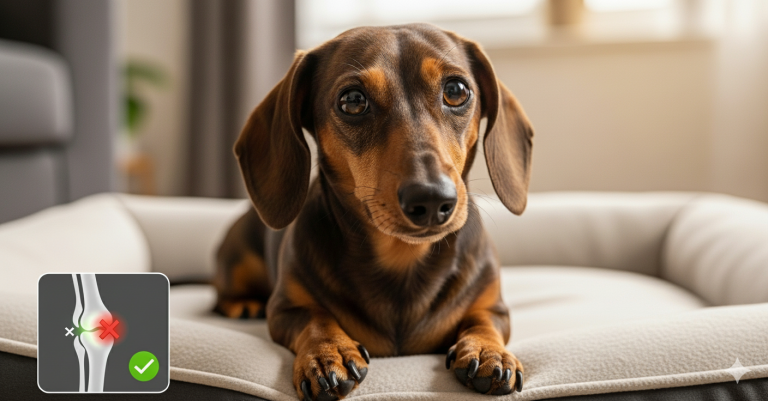
Dachshunds have a higher risk of back problems than most other dog breeds. Their long spine puts extra stress on their vertebrae and discs.
Intervertebral Disc Disease (IVDD) affects up to 25% of dachshunds. This condition happens when the discs between spine bones slip or rupture. It can cause pain, weakness, or even paralysis.
Understanding breed-specific issues is essential for your dachshund’s health. Weight management plays a key role in preventing back injuries.
Other common health risks include:
- Hip dysplasia
- Elbow dysplasia
- Eye problems like progressive retinal atrophy
- Heart disease
- Diabetes
Obesity makes all these conditions worse. Extra weight puts more pressure on joints and organs.
Importance of Routine Checkups
Regular veterinary examinations help identify potential health concerns before they become serious problems. Adult dachshunds need checkups at least once per year.
Senior dogs over 7 years old should visit the vet twice yearly. Puppies need more frequent visits for vaccinations and growth monitoring.
Annual checkups typically include:
- Physical examination
- Weight assessment
- Dental health check
- Heart and lung evaluation
- Blood work screening
Vaccinations protect against diseases like rabies, distemper, and parvovirus. Preventive medications help control fleas, ticks, and heartworms.
Wellness exams are important even when dogs appear healthy. Early detection saves money and prevents suffering.
Recognizing Early Symptoms of Illness
Dachshund owners must watch for signs of back problems and other health issues. Quick action can prevent permanent damage.
Back problem warning signs:
- Reluctance to jump or climb stairs
- Hunched back or stiff movements
- Crying when picked up
- Weakness in back legs
- Loss of bladder control
General illness symptoms include:
- Changes in appetite or water intake
- Lethargy or unusual behavior
- Difficulty breathing
- Vomiting or diarrhea
- Limping or lameness
Contact your vet immediately if you notice back pain symptoms. IVDD can progress quickly and may require emergency surgery.
Taking care of dachshund health starts with preventive care and regular veterinary checkups. Monitor your dog’s behavior daily to catch problems early.
Preventative Health Care for Dachshunds

Regular vaccinations protect against serious diseases, while parasite prevention keeps dachshunds free from fleas, ticks, and worms. Proper dental care prevents tooth loss and gum disease that can affect overall health.
Vaccinations and Immunizations
Core vaccines protect dachshunds from life-threatening diseases like rabies, distemper, and parvovirus. Puppies need their first shots at 6-8 weeks of age.
The vaccination schedule continues every 3-4 weeks until 16 weeks old. Adult dogs receive annual boosters to maintain immunity.
Core Vaccines for Dachshunds:
- DHPP (Distemper, Hepatitis, Parvovirus, Parainfluenza)
- Rabies
- Bordetella (kennel cough)
Non-core vaccines depend on lifestyle and location. These include Lyme disease, leptospirosis, and canine influenza vaccines.
Veterinarians recommend these based on the dog’s exposure risk. Dogs that visit dog parks or boarding facilities may need additional protection.
Preventive veterinary care helps catch health issues early. Vaccination records should be kept updated for boarding and travel requirements.
Parasite Prevention and Control
Fleas, ticks, and internal parasites pose serious health risks to dachshunds. Monthly preventative medications protect against heartworms, roundworms, and hookworms.
Flea and tick prevention comes in topical treatments, oral medications, and collars. Year-round protection works better than seasonal treatment.
Common Parasites in Dachshunds:
- Heartworms (transmitted by mosquitoes)
- Intestinal worms (roundworms, tapeworms, hookworms)
- External parasites (fleas, ticks, mites)
Regular fecal testing detects intestinal parasites before they cause problems. Most veterinarians recommend testing twice yearly.
Heartworm prevention requires monthly medication given consistently. Missing doses leaves dogs vulnerable to this potentially fatal disease.
Environmental control helps reduce parasite exposure. Regular yard maintenance and indoor cleaning reduce flea and tick populations.
Dental Care Best Practices
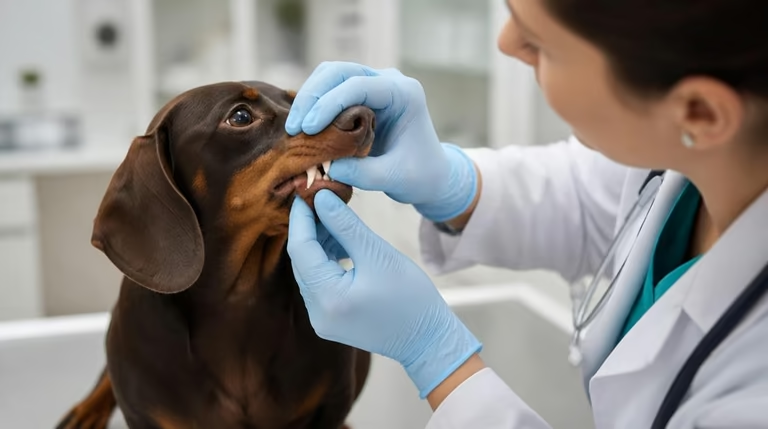
Dachshunds develop dental problems without regular care. Small mouths make them prone to tooth crowding and plaque buildup.
Daily tooth brushing prevents tartar formation and gum disease. Dog-specific toothpaste contains safe ingredients that don’t require rinsing.
Daily Dental Care Steps:
- Use finger brush or soft toothbrush
- Apply dog toothpaste
- Brush in circular motions
- Focus on gum line and back teeth
Dental chews and toys help remove plaque between brushings. Choose products approved by veterinary dental organizations.
Professional dental cleanings remove tartar below the gum line. Most dachshunds need cleanings every 1-2 years depending on their oral health.
Signs of dental disease include bad breath, yellow tartar, and difficulty eating. Regular veterinary check-ups catch dental problems before they become painful or require tooth extraction.
Managing Intervertebral Disc Disease (IVDD) in Dachshunds
IVDD affects the spinal discs between vertebrae, causing them to bulge or rupture and put pressure on the spinal cord. This condition requires careful management through prevention, proper treatment, and dedicated post-operative care.
Causes and Genetic Factors
IVDD in dachshunds occurs when spinal discs degenerate or herniate, causing pain and mobility problems. The disease can lead to paralysis in severe cases.
Dachshunds face higher risk due to their unique body structure. Their long backs and short legs create stress on the spine throughout their lives.
Genetic predisposition plays a major role in IVDD development. Studies show that as many as 1 in 4 dachshunds may experience back problems during their lifetime.
The condition affects dogs with chondrodystrophic dwarfism. This genetic trait causes abnormal cartilage development in the spine.
Age increases risk factors. Most cases develop between 3-7 years old when disc material begins to harden and become less flexible.
Prevention Strategies
Weight management stands as the most important prevention method. Extra weight puts additional stress on the spine and increases disc pressure.
Owners should limit jumping activities. Dachshunds should not jump on or off furniture, beds, or stairs without assistance.
Proper support techniques help protect the spine:
- Support both front and rear when lifting
- Use ramps instead of stairs
- Provide orthopedic bedding for joint support
Regular exercise remains important but should be controlled. Physical therapy exercises help maintain muscle strength around the spine.
Environmental modifications reduce injury risk. Remove high furniture access and install baby gates to prevent unsafe jumping.
Treatment and Post-Operative Care
IVDD treatment typically combines strict crate rest, pain medication, and surgery in severe cases. Treatment choice depends on symptom severity and the dog’s mobility.
Conservative treatment works for mild cases:
- Complete crate rest for 4-6 weeks
- Anti-inflammatory medications
- Pain management drugs
- Muscle relaxants when needed
Surgical intervention becomes necessary when dogs lose mobility or experience severe pain. Surgery removes disc material pressing on the spinal cord.
Post-operative care requires dedicated management:
| Care Element | Duration | Purpose |
|---|---|---|
| Crate rest | 6-8 weeks | Healing support |
| Physical therapy | 8-12 weeks | Mobility recovery |
| Pain medication | 2-6 weeks | Comfort management |
Successful therapy options include hydrotherapy, laser therapy, and acupuncture. These treatments help dogs regain strength and mobility.
Recovery timelines vary greatly. Some dogs walk within days while others need months of rehabilitation.
Veterinary Care for Dachshund Puppies
Dachshund puppies need specific veterinary care starting at 6-8 weeks old with multiple visits during their first year. Proper vaccination schedules and regular checkups help prevent serious diseases and monitor healthy growth.
Puppy Veterinary Visits and Schedule
The first veterinary visit should happen at 6-8 weeks of age. Puppies need visits every 3-4 weeks until they reach 16 weeks old.
Initial Visit (6-8 weeks):
- Complete physical examination
- First round of vaccinations
- Deworming treatment
- Health screening for common issues
Follow-up visits occur at:
- 10-12 weeks
- 14-16 weeks
- 6 months (spay/neuter discussion)
- 12 months (adult transition)
Heart murmurs and hernias are checked during early puppy visits. The veterinarian will also examine dental alignment since dachshunds can have bite problems.
Each visit includes weight monitoring and growth assessment. Puppies should gain weight steadily without becoming overweight.
Essential Puppy Vaccines
Dachshund puppies need core vaccines to protect against deadly diseases. Required vaccines include rabies, DHLPP, and corona for young dogs.
Core Vaccine Schedule:
| Age | Vaccines |
|---|---|
| 6-8 weeks | DHLPP (first round) |
| 10-12 weeks | DHLPP (second round) |
| 14-16 weeks | DHLPP (third round), Rabies |
DHLPP protects against:
- Distemper – affects nervous system
- Hepatitis – liver disease
- Leptospirosis – kidney infection
- Parvovirus – severe intestinal illness
- Parainfluenza – respiratory infection
Corona vaccine prevents coronavirus infection in puppies under 3 years old. Adult dogs receive 3-year rabies vaccines while puppies get 1-year shots.
Puppies are not fully protected until 2 weeks after their final vaccination.
Growth and Development Milestones
Dachshund puppies grow rapidly during their first year. Proper monitoring ensures healthy development and early detection of problems.
Key Growth Periods:
- 8-12 weeks: Rapid weight gain, baby teeth emerge
- 3-4 months: Adult teeth start replacing baby teeth
- 6 months: Sexual maturity begins
- 12-18 months: Full adult size reached
Veterinarians track weight gain at each visit. Overweight puppies face higher risks of back problems later in life.
Important Development Checks:
- Leg bone growth and alignment
- Spine development
- Eye and ear health
- Behavioral development
Dachshund health depends on proper nutrition during growth. Puppies need high-quality food designed for small breeds.
The veterinarian will discuss spaying or neutering around 6 months of age. This timing helps prevent health issues while allowing proper growth.
Nutrition, Exercise, and Lifestyle Recommendations
Proper nutrition and weight control are critical for dachshund health due to their unique body shape and spine structure. Regular low-impact exercise and consistent grooming routines help maintain overall wellness and prevent common health issues.
Dietary Needs and Weight Management
Dachshunds require careful portion control to prevent obesity, which puts dangerous stress on their long spine. Weight management is essential for dachshund health throughout their entire life.
Feed two measured meals daily rather than free-feeding. Adult dachshunds typically need 1/2 to 1 1/2 cups of high-quality dry food per day, divided into two portions.
Key Nutritional Requirements:
- Lean protein sources (chicken, turkey, fish)
- Omega fatty acids for joint and coat health
- Limited calories to maintain ideal weight
- Fiber-rich ingredients for digestive health
Monitor body condition regularly by feeling for ribs without excess fat covering. Overweight dachshunds face increased risk of intervertebral disc disease and other spine problems.
Avoid table scraps and high-calorie treats. Choose low-calorie training rewards like small pieces of carrots or green beans.
Safe Exercise Routines
Dachshunds need daily exercise but require special care to protect their backs from injury. Low-impact exercise routines help maintain muscle tone without stressing the spine.
Provide two 15-30 minute walks daily on level ground. Avoid steep hills, stairs, and excessive jumping that can damage spinal discs.
Recommended Activities:
- Leash walking on flat surfaces
- Indoor fetch with soft toys
- Swimming (excellent low-impact exercise)
- Puzzle toys for mental stimulation
- Supervised play in fenced yards
Activities to Avoid:
- Jumping on and off furniture
- Running up and down stairs
- High-impact activities like agility training
- Excessive running on hard surfaces
Use ramps or steps to help dachshunds reach furniture safely. Carry them up and down stairs whenever possible.
Grooming and Maintenance Tips
Regular grooming keeps dachshunds healthy and allows early detection of skin or health issues. Grooming needs vary by coat type but all require consistent care.
Smooth-Coated Dachshunds:
- Weekly brushing with a soft bristle brush
- Monthly baths unless dirty
- Regular nail trims every 2-3 weeks
Long-Haired Dachshunds:
- Brushing 2-3 times per week to prevent mats
- Pay special attention to ears, legs, and tail
- Professional grooming every 6-8 weeks
Wire-Haired Dachshunds:
- Weekly brushing with a slicker brush
- Hand-stripping twice yearly
- Regular beard and eyebrow trimming
Clean ears weekly with veterinarian-approved solution. Brush teeth daily or at least three times weekly to prevent dental disease. Trim nails regularly to maintain proper foot structure and prevent injury.
The Role of Pet Insurance in Dachshund Veterinary Care
Pet insurance serves as a financial safety net for dachshund owners facing unexpected veterinary bills, with monthly premiums typically ranging from $30-80 for comprehensive coverage. The right policy can cover breed-specific conditions like IVDD, dental issues, and emergency treatments that commonly affect these long-backed dogs.
Types of Pet Insurance Policies
Accident-Only Coverage provides the most basic protection for dachshunds. These policies cover injuries from accidents like falls or car strikes but exclude illnesses and hereditary conditions.
This option costs less but offers limited value for dachshund owners. Most breed-specific health problems fall outside accident coverage.
Accident and Illness Plans represent the middle tier of coverage. They include accidents plus common illnesses like infections, cancer, and digestive issues.
These policies typically cover some hereditary conditions. However, coverage varies significantly between insurance companies.
Comprehensive Coverage offers the most extensive protection for dachshund health needs. These plans include accidents, illnesses, hereditary conditions, and often wellness care add-ons.
Many comprehensive policies cover IVDD surgery costs that can reach $8,000-$15,000. They also include dental procedures and cancer treatments.
Wellness Add-Ons supplement basic policies with routine care coverage. These additions help pay for vaccinations, annual exams, and dental cleanings.
Some insurers offer wellness plans as standalone options. Others bundle preventive care with comprehensive coverage.
Evaluating Coverage for Dachshund-Specific Needs
IVDD Coverage stands as the most critical consideration for dachshund insurance. One in four dachshunds develops this spinal condition during their lifetime.
Policies must specifically cover hereditary and congenital conditions. Some insurers exclude breed-specific problems or impose waiting periods.
Treatment costs vary widely based on severity. Conservative management may cost hundreds while surgery reaches thousands.
Dental Coverage addresses another common dachshund health concern. Their narrow snouts create crowded teeth that trap food and bacteria.
Dental procedures can cost $1,500-$3,000 for advanced cases. Many policies cover dental accidents but exclude routine cleanings.
Pre-Existing Condition Policies significantly impact coverage value. Most insurers exclude conditions diagnosed before enrollment.
Early enrollment protects against future exclusions. Puppies typically qualify for full coverage of potential health issues.
Annual and Lifetime Limits affect long-term coverage value. Some policies cap payouts per year or over the pet’s lifetime.
Unlimited annual coverage provides better protection for chronic conditions. Lifetime limits may fall short for dogs with multiple health issues.
Tips for Choosing the Right Policy
Compare Multiple Quotes from different insurance companies. Premium costs can vary up to 57% between providers for similar coverage levels.
Request quotes for identical coverage terms. Compare deductibles, reimbursement rates, and annual limits across companies.
Evaluate Deductible Options to balance monthly costs with out-of-pocket expenses. Higher deductibles reduce premiums but increase immediate costs during treatment.
Per-incident deductibles apply to each new condition. Annual deductibles reset yearly regardless of claim frequency.
Review Reimbursement Rates carefully as they determine actual coverage value. Most policies offer 70%, 80%, or 90% reimbursement after deductibles.
Higher reimbursement rates cost more monthly. However, they provide better financial protection during expensive treatments.
Check Network Requirements and payment procedures. Most pet insurance reimburses owners rather than paying veterinarians directly.
This system allows treatment at any veterinary facility. However, owners must pay upfront and wait for reimbursement.
Read Policy Exclusions thoroughly before purchasing coverage. Common exclusions include pre-existing conditions, elective procedures, and certain medications.
Some policies exclude specific breeds’ common conditions. Others impose age limits or geographic restrictions on coverage.