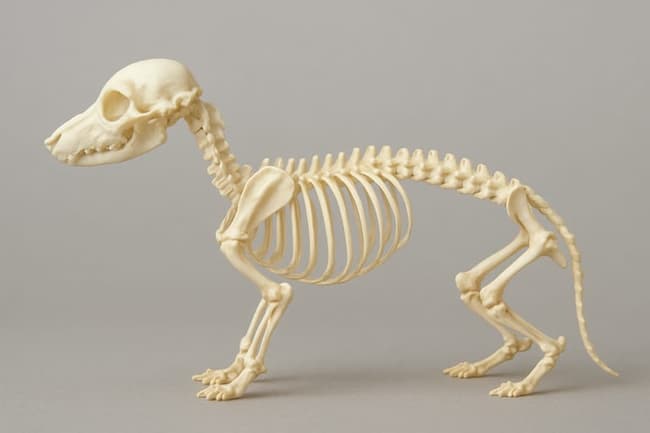
Dachshunds face unique dental challenges that many owners don’t realize until problems become serious. Their long, narrow snouts and small mouths create crowded conditions that trap food and bacteria. Dachshunds need dental care at least three times per week to prevent gum disease, tooth loss, and infections that can spread to other organs.

Most dachshund owners notice bad breath first, but this signals that dental disease has already started. Dachshunds are prone to dental issues more than many other breeds due to their jaw structure. Without proper care, these problems lead to pain, difficulty eating, and expensive veterinary treatments.
The good news is that preventing dental problems in dachshunds is straightforward with the right approach. Simple daily habits, combined with regular veterinary care, keep their teeth healthy throughout their lives. Understanding what to look for and how to care for their teeth properly makes a significant difference in their overall health and comfort.
Key Takeaways
- Dachshunds require more frequent dental care than other breeds due to their unique jaw structure and crowded teeth
- Early signs of dental problems include bad breath, yellow buildup on teeth, and reluctance to eat hard foods
- Daily brushing with dog toothpaste and annual professional cleanings prevent serious dental diseases and costly treatments
Why Dental Care Is Critical for Dachshunds
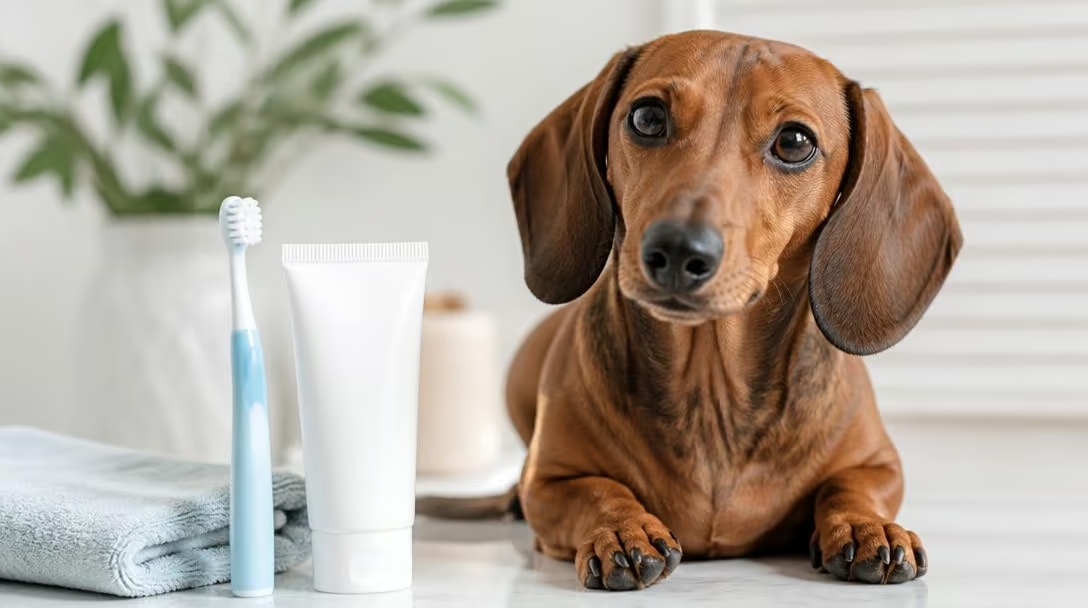
Dachshunds face unique dental challenges due to their physical characteristics that make them more vulnerable to oral health problems. Poor dental hygiene can lead to serious health complications that extend far beyond the mouth.
Breed-Specific Dental Challenges
Dachshunds have small mouths and crowded teeth that create ideal conditions for dental problems. Their compact jaw structure leaves little space between teeth, making it difficult for saliva to naturally clean away food particles and bacteria.
This crowding causes plaque to accumulate faster than in larger dog breeds. The tight spaces trap debris and allow harmful bacteria to multiply rapidly.
Common dachshund teeth problems include:
- Tartar buildup in hard-to-reach areas
- Overcrowded teeth that overlap
- Limited natural cleaning from chewing
- Increased risk of periodontal disease
The breed’s long snouts and compact mouths make regular cleaning more challenging for owners. Standard brushing techniques may not reach all problem areas effectively.
Adult dachshunds have 42 teeth packed into their small mouths. This creates pressure points where teeth contact each other, leading to faster wear and potential damage.
Consequences of Neglected Oral Hygiene
Untreated dental problems in dachshunds can cause severe pain and discomfort. Dental disease happens silently, with dogs continuing normal activities while suffering from painful conditions.
Immediate consequences include:
- Gingivitis and gum inflammation
- Bad breath that worsens over time
- Difficulty eating or chewing on one side
- Tooth abscesses and infections
Advanced dental disease leads to more serious health problems. Bacteria from infected gums can enter the bloodstream and travel to vital organs.
Long-term health risks involve:
- Heart valve infections
- Kidney damage
- Liver problems
- Bone loss in the jaw
Neglected teeth and gums can cause systemic infections that threaten a dachshund’s overall health. The immune system becomes compromised when constantly fighting oral bacteria.
Tooth loss is common in dachshunds with untreated dental disease. This affects their ability to eat properly and maintain good nutrition throughout their lives.
Recognizing Dental Problems in Dachshunds

Early detection of dental issues helps prevent serious health complications and reduces treatment costs. Dachshunds show specific warning signs when experiencing oral health problems that owners can easily identify with regular observation.
Common Signs of Oral Health Issues
Bad breath serves as the most noticeable early warning sign of dental problems. Bacteria living in the teeth release sulfur compounds after eating, creating a strong odor that differs from normal dog breath.
Changes in eating behavior indicate potential dental pain. Dogs may eat more slowly, drop food, or avoid hard kibble entirely. Some dachshunds tilt their heads while chewing or favor one side of their mouth.
Behavioral changes often accompany dental discomfort:
- Reluctance to play with chew toys
- Pawing at the face or mouth
- Increased drooling
- Whimpering when eating
Loss of appetite represents a serious concern. When dental pain becomes severe, dachshunds may refuse meals completely or show interest in food but walk away after sniffing it.
Identifying Swollen or Bleeding Gums
Healthy gums appear pink and firm against the teeth. Red, swollen, and bleeding gums signal inflammation caused by bacterial infection and plaque buildup.
Visual inspection reveals several warning signs:
- Bright red coloring along the gum line
- Puffiness or swelling around individual teeth
- Dark red or purple areas indicating severe inflammation
Bleeding may occur spontaneously or during eating. Owners might notice blood spots on chew toys, in water bowls, or on food. Even light pressure from gentle examination can cause bleeding in infected gums.
The gum line often recedes as inflammation progresses. This exposes more of the tooth root and creates deeper pockets where bacteria accumulate. Advanced cases show loose teeth that move when touched.
How Tartar Buildup Manifests
Yellow or brown tartar buildup appears as hard, crusty deposits along the gum line and between teeth. This hardened plaque cannot be removed with regular brushing and requires professional cleaning.
Early tartar formation starts as:
- Thin yellow lines near the gums
- Rough texture on smooth tooth surfaces
- Small brown spots on back molars
Advanced buildup creates thick, brown crusts covering significant portions of teeth. The deposits feel rough and irregular when touched. Severe cases show tartar extending below the gum line, creating painful pockets of infection.
Dachshunds are prone to dental issues due to their narrow jaw structure, making tartar removal essential for preventing tooth loss and systemic health problems.
Essential Daily Care for Dachshund Teeth
Daily dental care prevents tartar buildup and gum disease in dachshunds through proper brushing techniques and the right dental products. Using the correct toothbrush and canine toothpaste makes cleaning more effective and safer for your dog.
Regular Brushing Techniques
Brushing dachshund teeth at least 3 times per week prevents dental problems. Start by letting the dog sniff and lick the toothbrush to create positive associations.
Hold the toothbrush at a 45-degree angle against the gum line. Use gentle circular motions to clean each tooth surface. Focus on the outer surfaces where plaque builds up most.
Key brushing steps:
- Begin with short 30-second sessions
- Gradually increase to 2-3 minutes
- Clean front teeth first, then move to back molars
- Pay extra attention to the gum line
Most dogs resist having their mouths opened. Instead of forcing the mouth open, lift the lips and brush the outer tooth surfaces. The tongue naturally cleans the inner surfaces during normal activities.
Reward the dog with praise and treats after each brushing session. This positive reinforcement makes future dental care easier and less stressful for both owner and pet.
Choosing the Right Dog Toothbrush and Toothpaste
Never use human toothpaste on dogs. Human toothpaste contains fluoride and xylitol, which are toxic to dogs and can cause serious health problems.
Dog toothbrush options:
- Finger brushes: Soft rubber caps that fit over the owner’s finger
- Small-head brushes: Designed specifically for small dog breeds
- Dual-head brushes: Feature different sized bristle heads
Finger brushes work well for dachshunds because they allow better control in the dog’s narrow mouth. The soft rubber bristles are gentler on sensitive gums.
Canine toothpaste ingredients to look for:
- Enzymatic formulas that break down plaque
- Chicken, beef, or peanut butter flavors
- No artificial sweeteners or fluoride
Dog toothpaste comes in flavors dogs enjoy, making brushing more pleasant. Some formulas continue working even after brushing stops, providing ongoing protection against bacteria.
Replace dog toothbrushes every 3-4 months or when bristles become frayed. Store toothbrushes in a clean, dry place between uses to prevent bacteria growth.
Additional Methods to Support Oral Health
Beyond regular brushing, several proven methods can significantly improve your dachshund’s dental health. These approaches work together to reduce plaque buildup, stimulate natural cleaning processes, and maintain fresh breath.
Dental Chews and Chew Toys
Dental chews provide an excellent alternative for dachshunds who resist tooth brushing. These specially designed treats encourage extended chewing that scrapes away soft plaque before it hardens into tartar.
The mechanical action of chewing helps clean hard-to-reach areas between teeth. This is especially important for dachshunds since their narrow jaws create tight spaces where food particles get trapped.
Key benefits of dental chews:
- Remove plaque and tartar buildup
- Massage gum tissue
- Strengthen jaw muscles
- Provide mental stimulation
Chew toys offer similar advantages with added durability. Rope toys, rubber bones, and textured balls all provide different cleaning actions. The varied textures help scrub different tooth surfaces.
Choose appropriately sized products for your dachshund’s small mouth. Oversized chews can strain their jaw joints or become choking hazards.
Dietary Approaches for Dental Health
Dental-friendly diets are specially formulated to reduce plaque and tartar while supporting overall oral health. These foods typically feature larger kibble sizes that require more chewing action.
Dry kibble naturally promotes more chewing than wet food. The abrasive texture helps scrub teeth surfaces as dogs eat their regular meals.
Raw diet additions that clean teeth:
- Carrots (cut into appropriate sizes)
- Cucumber slices
- Apple pieces (seeds removed)
These crunchy vegetables provide natural tooth-scrubbing action. They also supply vitamins that support gum health.
Hard foods work better than soft options for dental benefits. The increased chewing time allows more natural cleaning to occur.
Role of Saliva Production
Increased saliva production plays a crucial role in maintaining oral health. Chewing activities stimulate saliva flow, which naturally rinses away food particles and bacteria.
Saliva contains enzymes that break down harmful bacteria in the mouth. It also helps neutralize acids that cause tooth decay and bad breath.
How saliva protects teeth:
- Washes away food debris
- Neutralizes mouth acids
- Contains natural antibacterial compounds
- Maintains proper pH balance
Water additives can supplement natural saliva benefits. These products add enzymes and breath-freshening compounds to your dog’s water bowl.
The more your dachshund chews, the more saliva they produce. This creates a positive cycle where increased chewing leads to better natural cleaning and fresher breath.
Professional Veterinary Dental Care
Professional veterinary care provides deep cleanings and treatments that home care cannot achieve. Veterinarians can detect early signs of disease and perform procedures under anesthesia to address serious dental problems.
Routine Examinations and Cleanings
Regular vet visits help catch dachshund teeth problems before they become serious. Veterinarians examine the mouth for signs of disease during routine checkups.
Professional cleanings remove hardened tartar that brushing cannot eliminate. The procedure requires anesthesia to clean below the gum line safely.
Most dachshunds need professional cleanings every 12-18 months. Dogs with existing dental issues may need cleanings more frequently.
What happens during professional cleaning:
- Complete oral examination under anesthesia
- Removal of tartar above and below gum line
- Tooth polishing to smooth surfaces
- Assessment of individual tooth health
The vet checks for loose teeth, infections, and gum disease. They may take X-rays to see problems below the gum line.
Recovery typically takes 24-48 hours. Dogs should eat soft food for a few days after the procedure.
Addressing Advanced Dental Diseases
Advanced dental problems require immediate professional treatment. Swollen gums, severe tartar buildup, and infected teeth need veterinary intervention.
Common advanced treatments include:
- Tooth extractions for severely damaged teeth
- Root canal procedures for salvageable teeth
- Treatment of gum infections with antibiotics
- Pain management medications
Untreated dental disease can spread bacteria to the heart and kidneys. Professional treatment prevents these serious health complications.
Some cases require multiple visits or referral to veterinary dental specialists. The vet will create a treatment plan based on the severity of problems found.
Post-treatment care includes prescribed medications and modified diets. Follow-up appointments ensure proper healing and monitor for complications.
Related Reading
Frequently Asked Questions
How often should I brush my dachshund’s teeth?
Ideally daily, or at minimum three times a week, using a dog-safe toothpaste and a soft brush sized for small breeds.
Why are dachshunds prone to dental problems?
Their long, narrow snouts create crowded conditions in the mouth that trap food and bacteria more easily than in wider-jawed breeds.
What are signs my dachshund needs a dental checkup?
Watch for bad breath, red or bleeding gums, reluctance to chew, pawing at the mouth, or visible tartar buildup – these all warrant a vet visit.