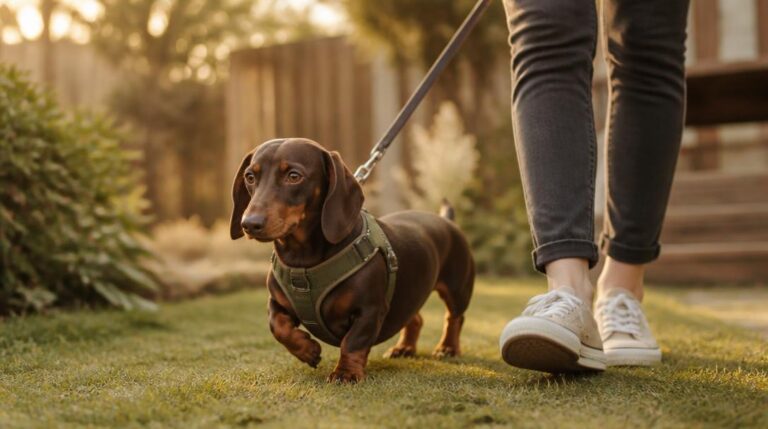
A dachshund’s daily routine plays a key role in keeping it healthy and happy. A consistent schedule with regular meals, walks, playtime, and rest helps dachshunds stay balanced and well-behaved. This routine supports their physical needs and mental stimulation.
Dachshund care focuses on meeting their energy levels and preventing boredom, which can cause unwanted behaviors. Including potty breaks, short walks, and bonding time during the day ensures they get enough activity without overexertion. Maintaining this structure helps dachshunds feel secure and comfortable in their home environment.
Owners who understand the importance of a daily routine can better manage their dachshund’s behavior and health. A well-planned day creates a smoother life for both the dog and their family while meeting the specific needs of this unique breed. For more on how to structure a dachshund’s day, see detailed examples of adult dachshund schedules at dachshundfriends.com.
Understanding the Dachshund’s Daily Needs
Dachshunds have specific daily needs that include physical activity, mental challenges, and social time. Meeting these needs helps prevent health problems and unwanted behaviors. Keeping routines balanced ensures a happy and well-adjusted dog.
Exercise Requirements
Dachshunds need about 30 to 60 minutes of exercise each day. This can be split into two walks, one in the morning and one in the evening. Play sessions of 15 to 20 minutes should be added to keep their energy levels in check.
Due to their long backs and short legs, owners must avoid overexertion that could cause injury. Activities like swimming or controlled walks are safer than high-impact running or jumping. Regular exercise helps manage their weight, supports muscle health, and reduces chances of behavior problems caused by boredom.
Mental Stimulation for Dachshunds
Mental stimulation is vital for Dachshunds to prevent destructive behaviors like chewing or digging. Puzzle toys, scent games, and basic obedience training keep their minds active.
Changing activities daily keeps a Dachshund interested and engaged. Teaching new commands or tricks challenges their problem-solving skills and strengthens the bond with their owner. Consistent mental exercises improve overall behavior and reduce anxiety.
The Importance of Socialization
Socialization helps Dachshunds develop good behavior around humans and other animals. Early and regular exposure to different people, pets, and environments reduces fear and aggression later in life.
Dachshund care includes controlled introductions and positive reinforcement during these social experiences. Well-socialized dogs tend to be calmer, less anxious, and more adaptable to new situations, improving both their safety and their owner’s confidence in public settings.
For more detailed exercise routines, see Dachshund energy levels and daily exercise routine.
Daily Walks and Structured Activities
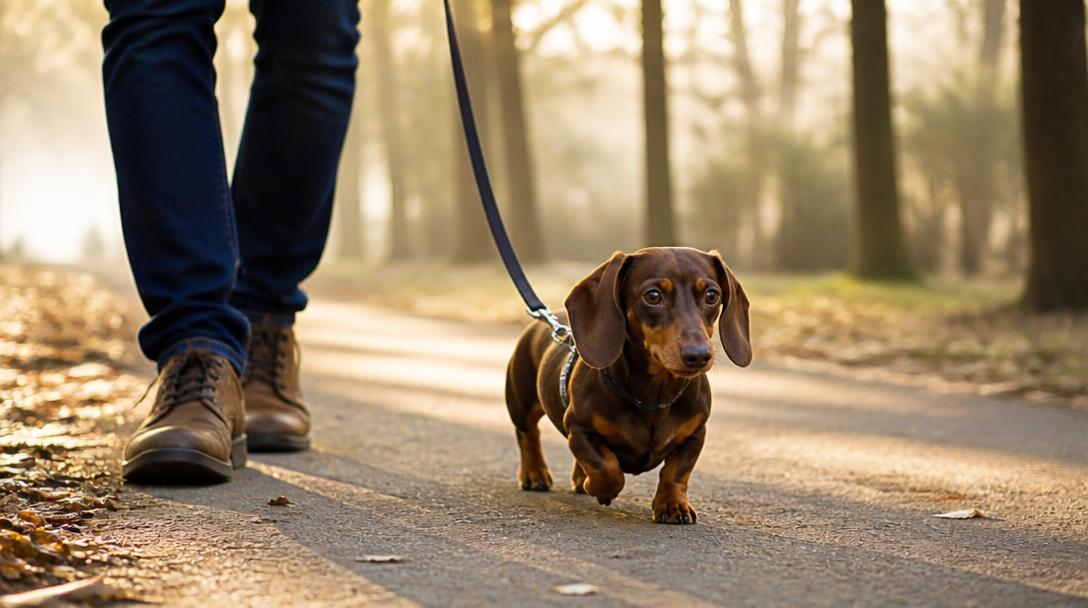
Dachshunds need regular exercise to stay healthy and happy. Daily walks and planned activities help meet their exercise needs without causing strain. Proper timing and safe play keep their energy balanced and prevent injury.
Establishing a Routine for Walks
Setting a consistent walking schedule helps dachshunds feel secure and builds good habits. Most adults require 45-60 minutes of moderate exercise each day, including leash walks. Smooth-coated dachshunds may need less time in cold weather but still benefit from daily outings.
It’s important to match walk length with the dog’s age and energy levels. Puppies and older dogs need shorter walks, while younger adults can handle longer sessions. Avoid overexertion by watching for signs of tiredness or discomfort during walks.
A regular time for walks also supports training and reinforces routine. Consistency helps reduce anxiety and makes exercise a normal part of the day.
Safe and Fun Activities
Mixing different types of activities keeps dachshunds engaged and mentally stimulated. Gentle runs, interactive play with toys, or scent games can add variety to their routine. These activities also support muscle tone and prevent boredom.
Because of their long backs, dachshunds should avoid activities that involve jumping or high impact. Safe games include fetch on soft ground and hide-and-seek with treats. Using toys that encourage natural digging behavior can be enjoyable without causing injury.
Owners should stay attentive and adjust activities based on the dog’s health and energy. Regular breaks and water help maintain comfort and avoid overexertion during play.
For more details about their exercise needs, see this guide on dachshund exercise and activity.
Nutrition and Feeding Schedule
Proper nutrition and feeding routines are vital for maintaining a Dachshund’s health and energy. Feeding the right type of food and managing portions carefully helps avoid obesity and supports their unique body structure. Consistency in feeding times also promotes good digestion and behavior.
Choosing the Right Dog Food
Dachshunds need high-quality dog food with the right balance of protein, fats, and essential nutrients. Protein supports their muscle health, while fats provide energy. Foods rich in vitamins and minerals strengthen their bones and immune system.
Avoid foods with fillers, artificial additives, and excessive grains. Special formulas made for small breeds or Dachshunds are often best. These diets consider their tendency for back problems by helping maintain a healthy weight.
For puppies, food with higher calories and nutrients supports growth. Adults require moderate calories, and seniors benefit from diets lower in calories but still balanced. Choosing the correct food helps prevent common Dachshund health issues like obesity and spinal strain.
Feeding Times and Portions
Dachshunds typically eat twice a day. Puppies should have three to four smaller meals to support growth and metabolism. Adult Dachshunds need about 1 ¼ to 2 cups of food daily, split between two feedings. Senior dogs usually eat less, about 1 to 1 ¾ cups daily, adjusting for lower activity levels.
Measuring portions is essential to avoid overfeeding. Too much food can lead to obesity, which puts extra strain on their long backs and joints. Owners should follow a feeding chart based on their Dachshund’s age, size, and weight.
Feeding at the same times daily helps with digestion and reduces begging or anxiety around mealtimes. Fresh water should always be available alongside food to keep the dog hydrated and healthy.
More detailed feeding charts and guidelines can be found at Dachshund feeding charts and guides online.
Training and House Manners
Teaching a dachshund good habits requires consistent effort and clear boundaries. Focus on building routines that match the dog’s natural behavior. Patience and positive reinforcement are key to avoiding common behavioral issues.
Potty Training Techniques
Dachshunds are known for being stubborn, so potty training can take extra time. Crate training is an effective method because it uses the dog’s natural desire to keep a small space clean. Make sure the crate is just big enough for the dog to stand and turn around.
Set a regular schedule for bathroom breaks. Take the dachshund outside first thing in the morning, after meals, and before bedtime. Praise and reward immediately when it goes in the right spot. Avoid punishment because it can create fear and confusion.
Watch for signs like sniffing or circling indoors as signals the dog needs to go out. Consistency and patience help the dachshund learn the routine faster. More on crate training can be found in the housetraining your dachshund guide.
Reinforcing Good Behavior
Positive reinforcement is the best way to encourage good house manners. Use treats, praise, and toys to reward behaviors like sitting calmly, waiting at the door, or not jumping on furniture.
Ignore or redirect unwanted behaviors instead of yelling. Dachshunds can become stubborn or anxious if training feels harsh. Setting clear, simple rules helps reduce confusion.
Consistency across all family members is important. Everyone should follow the same commands and rules to avoid mixed signals. Regular training sessions of 5 to 10 minutes are enough to keep the dog engaged without stress.
Keeping a daily routine helps curb behavioral issues by providing structure and predictability, which dachshunds respond well to over time. For detailed tips, see the how to train a dachshund puppy advice.

Health Considerations and Preventative Care
Dachshunds need careful attention to keep their backs healthy and avoid injury. Owners should watch for signs of tiredness to protect their dogs from harm. Proper daily care helps maintain their overall health and prevent serious issues.
Preventing Intervertebral Disc Disease (IVDD)
IVDD is a common health problem for dachshunds because of their long backs and short legs. This condition happens when the discs between vertebrae in the spine degenerate or slip, causing pain or paralysis.
To reduce the risk of IVDD, avoid letting a dachshund jump from high places or climb stairs unsupervised. Using ramps or stairs designed for pets can help keep their spine safe.
Regular controlled exercise strengthens muscles that support the back. Maintaining a healthy weight is crucial because extra weight puts more strain on the spine.
During daily routine care, it is important to watch posture and movement. Any signs of reluctance to move, limping, or back pain need a prompt veterinary check.
Recognizing Signs of Overexertion
Overexertion can cause serious injury or worsen underlying conditions like IVDD in dachshunds. It is important for owners to balance exercise with rest.
Signs of overexertion include excessive panting, limping, weakness, or refusal to continue activity. Sudden loss of coordination or stiffness should prompt an immediate stop to activity.
Dachshunds have small legs and can tire quickly, so short play sessions and walks work best. Warm-ups and cooldowns can help prevent muscle strain.
Owners should also avoid exercising dachshunds on very hot or cold days to protect their health. Keeping track of the dog’s energy levels daily ensures safe and healthy activity.
For detailed information on dachshund health and care, visit this comprehensive guide to Dachshund care and health.
Related Reading
Frequently Asked Questions
How much exercise does a dachshund need each day?
Most adult dachshunds do well with 30-60 minutes of activity split across two walks, plus some indoor play – enough to stay fit without over-stressing their back.
What time should a dachshund’s routine start each day?
Consistency matters more than a specific time; most owners find success with a morning walk and potty break, a midday check-in, and an evening walk and wind-down.
Can too little routine cause behavior problems in dachshunds?
Yes. Dachshunds that don’t get enough physical and mental stimulation are more prone to boredom-driven barking, digging, and destructive chewing.