Dachshunds, affectionately known as “wiener dogs” or “sausage dogs,” have captured hearts worldwide with their distinctive elongated bodies and spirited personalities. These remarkable little hounds pack enormous character into their compact frames, making them one of the most beloved dog breeds globally. Whether you’re considering bringing a dachshund into your family or you’re already smitten with these charming companions, this comprehensive guide will provide you with everything you need to know about these extraordinary dogs.
What Makes Dachshunds So Special?
Dachshunds aren’t just adorable – they’re living proof that good things come in small packages. Originally bred in Germany over 300 years ago, these determined hunters were designed to follow badgers into their burrows, which explains their unique body shape and fearless attitude. Today, while most dachshunds spend their time as beloved family pets rather than hunting companions, they’ve retained their bold spirit and unwavering loyalty.
What truly sets dachshunds apart is their remarkable combination of courage and affection. Despite their small stature, these dogs possess the heart of a lion and will fearlessly protect their families. They’re intelligent, playful, and incredibly devoted to their humans, often forming unbreakable bonds that last a lifetime.
Understanding Dachshund Varieties: Size, Coat, and Color
Size Variations
Dachshunds come in three distinct sizes, each with its own unique appeal:
Standard Dachshunds are the original size, typically weighing between 16-32 pounds when fully grown. These sturdy companions are perfect for families who want a dog with presence and personality to match.
Miniature Dachshunds weigh 11 pounds or less and are ideal for apartment living or those who prefer a smaller companion. Don’t let their size fool you – these tiny dynamos have just as much personality as their larger counterparts.
Tweenie Dachshunds fall between standard and miniature sizes, weighing 12-15 pounds. While not officially recognized by major kennel clubs, many dachshund enthusiasts adore these medium-sized companions.
Coat Types
The variety in dachshund coats is truly remarkable, with three distinct types:
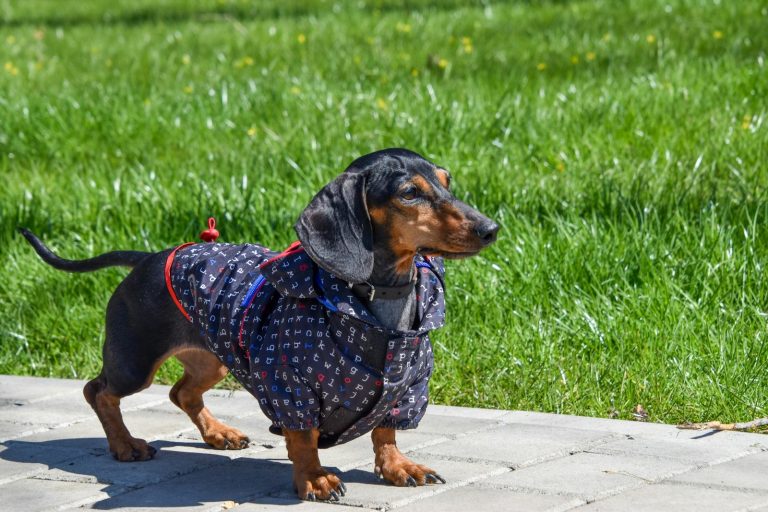
Smooth-haired Dachshunds sport sleek, glossy coats that lie close to their bodies. These low-maintenance beauties require minimal grooming and are perfect for busy families.
Long-haired Dachshunds showcase flowing, silky coats that give them an almost regal appearance. Their luxurious fur requires regular brushing but rewards owners with stunning beauty.
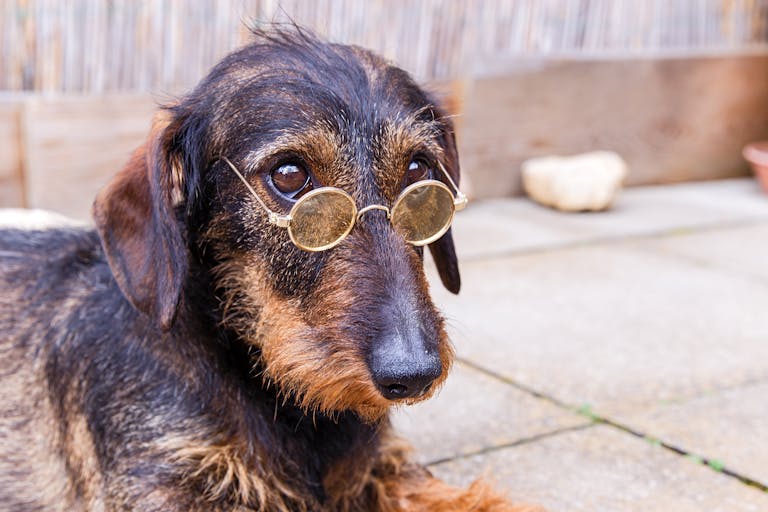
Wire-haired Dachshunds feature rough, dense coats with distinctive facial furnishings that give them a distinguished, almost scholarly look. Their unique texture provides excellent protection from the elements.

Color Possibilities
Dachshunds come in an amazing array of colors and patterns. Solid colors include rich reds, deep blacks, and warm chocolates. Bi-color combinations like black and tan or chocolate and tan are equally stunning. For those who love unique patterns, dachshunds also come in dappled (similar to merle), brindle, and piebald varieties, each creating truly one-of-a-kind companions.
The Dachshund Personality: Big Attitude in a Small Package
Living with a dachshund means welcoming a dog with an outsized personality into your home. These confident little characters are known for their:
Loyalty and Devotion: Dachshunds typically form incredibly strong bonds with their families, often becoming particularly attached to one person. This devotion makes them excellent companions but can sometimes lead to protective behavior around strangers.
Intelligence and Curiosity: These smart cookies are always investigating their surroundings and figuring out new ways to get what they want. Mental stimulation is crucial for keeping dachshunds happy and preventing destructive behaviors.
Playfulness and Energy: Despite their short legs, dachshunds are surprisingly energetic and love interactive play. They enjoy games, walks, and any activity that engages both their minds and bodies.
Stubbornness: Perhaps one of their most famous traits, dachshunds can be wonderfully stubborn. This independence was essential for their original hunting work but can make training an interesting adventure for modern owners.
Health Considerations: Keeping Your Dachshund Happy and Healthy
Understanding dachshund health needs is crucial for providing the best care for your companion. Their unique body structure, while adorable, does present some specific health considerations.
Spinal Health: The Most Important Concern
The dachshund’s elongated spine is their most vulnerable area. Intervertebral Disc Disease (IVDD) affects up to 25% of dachshunds during their lifetime. This condition occurs when the cushioning discs between vertebrae become damaged, potentially causing pain, mobility issues, or even paralysis.
Prevention is key to maintaining spinal health. Avoid activities that put excessive strain on the back, such as jumping from furniture or navigating steep stairs repeatedly. Providing ramps or steps to favorite spots, maintaining a healthy weight, and ensuring regular, moderate exercise can significantly reduce IVDD risk.
Weight Management
Maintaining an ideal weight is crucial for dachshunds, as extra pounds put additional stress on their backs and joints. A healthy dachshund should have a visible waist when viewed from above, and you should be able to feel their ribs without pressing hard.
Other Health Considerations
Regular veterinary checkups can help identify and address other health issues common to the breed, including eye problems, heart conditions, and hip dysplasia. Working with a veterinarian familiar with dachshunds ensures your companion receives the most appropriate care.

Training Your Dachshund: Patience, Consistency, and Positive Reinforcement
Training a dachshund requires understanding their independent nature and working with, rather than against, their personality traits. These intelligent dogs respond best to positive reinforcement techniques that make learning enjoyable and rewarding.
House Training Success
Dachshunds can be challenging to house train, partly due to their small bladders and partly due to their independent streak. Consistency is absolutely key – establish a regular schedule for meals, potty breaks, and bedtime. Always reward successful outdoor elimination with treats and praise, and never punish accidents indoors.
Basic Commands and Socialization
Start with fundamental commands like “sit,” “stay,” and “come,” using high-value treats and plenty of patience. Socialization is equally important – expose your dachshund to various people, animals, and situations from an early age to develop a well-rounded, confident adult dog.
Managing Barking
Dachshunds are naturally alert dogs who take their watchdog duties seriously. While some barking is normal and even desirable, excessive barking can become problematic. Teaching a “quiet” command and providing mental stimulation can help manage this behavior effectively.
Exercise and Activity Needs: Keeping Your Dachshund Engaged
Despite their short legs, dachshunds need regular exercise to maintain physical and mental health. However, their exercise routine should be tailored to their unique body structure and energy levels.
Daily Exercise Requirements
Most dachshunds thrive with 30-60 minutes of activity daily, split between walks and playtime. Their exercise needs vary based on age, size, and individual personality – some dachshunds are content with leisurely strolls, while others crave more vigorous activity.
Safe Exercise Options
Walking remains the best exercise for most dachshunds, providing cardiovascular benefits without excessive strain on their backs. Swimming is an excellent low-impact exercise option for dachshunds who enjoy water. Indoor play sessions with appropriate toys can also provide valuable exercise, especially during inclement weather.
Activities to Avoid
High-impact activities like jumping, long-distance running, or agility training with significant obstacles can put excessive strain on dachshund spines and should generally be avoided or modified significantly.

Grooming and Care: Keeping Your Dachshund Looking Their Best
Grooming requirements vary significantly based on coat type, but all dachshunds benefit from regular care routines that keep them healthy and comfortable.
Coat Care by Type
Smooth-haired dachshunds require minimal grooming – weekly brushing and occasional baths keep their coats healthy and shiny. Long-haired varieties need daily brushing to prevent matting and tangling, with special attention to areas where mats commonly form. Wire-haired dachshunds benefit from professional grooming every few months to maintain their distinctive coat texture.
Nail Care and Dental Health
Regular nail trimming is essential for all dachshunds, as overgrown nails can affect their gait and potentially contribute to back problems. Dental care is equally important – daily teeth brushing or dental chews help prevent periodontal disease, which is common in small breeds.
Nutrition: Feeding Your Dachshund for Optimal Health
Proper nutrition plays a crucial role in maintaining dachshund health, particularly in weight management and supporting their unique structural needs.
Choosing the Right Food
High-quality dog food appropriate for your dachshund’s age, size, and activity level provides the foundation for good health. Look for foods with named meat sources as the first ingredient and avoid excessive fillers or artificial additives.
Portion Control and Feeding Schedule
Dachshunds can be prone to overeating, making portion control essential. Divide daily food allowances into two or three smaller meals to aid digestion and help prevent bloat. Measuring food portions rather than free-feeding helps maintain optimal weight.
Healthy Treats and Supplements
Use treats sparingly and choose healthy options like small pieces of lean meat, vegetables, or specially formulated low-calorie dog treats. Consult with your veterinarian about supplements that might benefit your dachshund, such as joint support or omega-3 fatty acids.

Creating the Perfect Home Environment
Dachshunds thrive in homes that accommodate their physical needs while providing mental stimulation and comfort.
Home Modifications for Safety
Simple modifications can make your home safer and more comfortable for your dachshund. Install ramps or steps to help them reach favorite spots without jumping, use baby gates to limit access to stairs when unsupervised, and ensure they have comfortable, supportive bedding for rest.
Mental Stimulation and Enrichment
Boredom can lead to destructive behaviors in intelligent dachshunds. Provide puzzle toys, rotate toy selection regularly, and create opportunities for mental challenges like hide-and-seek games or basic training sessions.
The Joy of Dachshund Companionship
Living with a dachshund means embracing a life filled with laughter, loyalty, and love. These remarkable dogs offer their families unwavering devotion, endless entertainment, and the kind of companionship that makes every day brighter.
Their courage, intelligence, and affectionate nature make them exceptional family members who adapt well to various living situations. Whether you’re a first-time dog owner or an experienced handler, dachshunds offer a unique and rewarding companion experience.
From their amusing antics to their heartwarming snuggles, dachshunds bring a special kind of joy to their families. Their ability to combine fierce loyalty with playful humor creates bonds that last a lifetime, making every moment with these extraordinary dogs a treasured memory in the making.
The decision to welcome a dachshund into your life is the beginning of an incredible journey filled with adventure, love, and the incomparable companionship of one of the world’s most beloved breeds. These amazing dogs prove daily that the best things in life truly do come in elongated packages, wrapped in fur and tied with a wagging tail.