Dachshunds, with their distinctive long bodies and short limbs, have a reputation for being lively and adventurous pets. As the winter season approaches and snow begins to fall, dachshund owners often wonder how their pets will react to this cold, white blanket covering their usual playgrounds.
Observing a dachshund’s first encounter with snow can be an entertaining experience, as these little dogs display a range of reactions, from bewilderment and hesitation to excitement and playful frolicking. Many might ask, ‘Do dachshunds like snow?’ and the answer often varies with each individual dog.
Interestingly, some dachshunds truly seem to enjoy the snow, while others are more hesitant and cautious about it. In many cases, dachshunds might show a sense of curiosity, leading them to explore this unfamiliar, white wonderland.

However, the enjoyment of snow for dachshunds is not solely dependent on their personalities. Their physical characteristics and health must be considered when introducing them to colder, snowy environments.
Due to their short coats and low body fat, dachshunds may be more sensitive to cold temperatures compared to other breeds. Their short stature also poses challenges in deeper snow, potentially leading to increased exertion and even risk of injury.
Therefore, dachshund owners should take measures to ensure their pets stay warm and safe, possibly including the use of winter clothing designed for dogs and cautious supervision during snowy adventures.
As a result, it’s essential for owners to gauge their dachshund’s initial reactions to snow and learn if their dogs exhibit signs of enjoyment or discomfort in snowy conditions. This is why the question ‘Do dachshunds like snow?’ remains a significant concern for many dachshund owners.
Key Takeaways
- Dachshunds have varied responses to snow, often showing curiosity or playfulness.
- Their physical traits demand attention to warmth and safety in snowy conditions.
- Owners can enhance their dachshunds’ winter experiences with suitable apparel and careful monitoring.
Dachshund Affinity for Snow
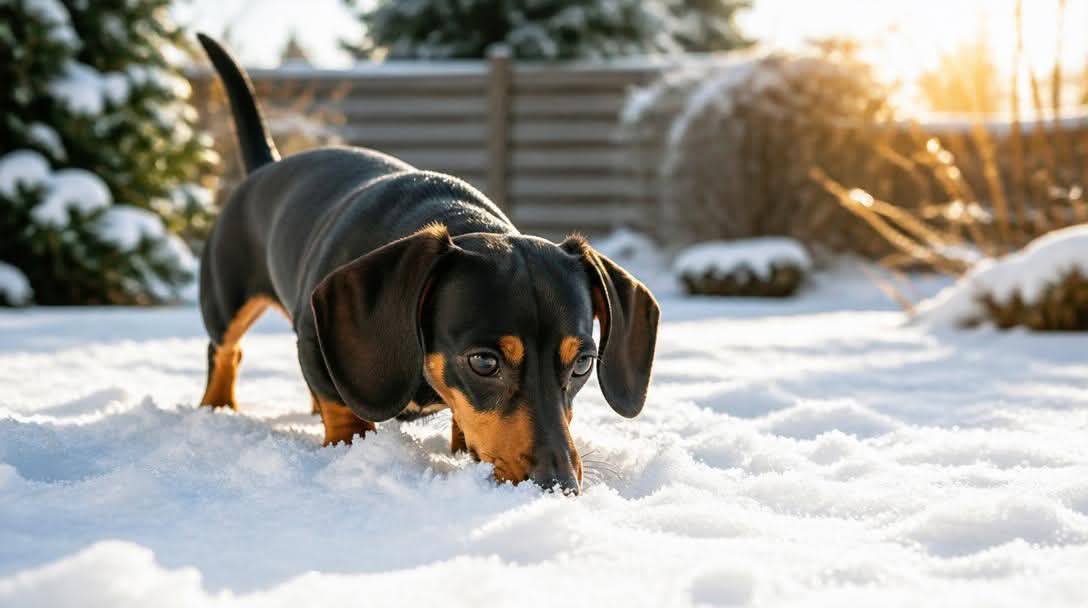
Dachshunds, with their distinct body shape and short coat, exhibit unique behaviors and face certain challenges in snowy conditions.
Owners should reflect on their dog’s individual response to snowy environments to truly understand: do dachshunds like snow? This realization can guide winter activities to better suit their furry friends.
Behavioral Traits in Cold Weather
Understanding whether or not do dachshunds like snow can help owners prepare better for winter activities with their pets.
In cold weather, dachshunds may exhibit reluctance to go outdoors. The breed is known for being spirited and curious, yet the chilled temperatures of winter pose a discomfort due to their short fur and low clearance from the snow-covered ground.
Their temperament does not necessarily change in winter, but their enthusiasm for outdoor activities may diminish as temperatures drop.
To determine if your dachshund enjoys the cold, you might ask, do dachshunds like snow? Observing their behavior in snowy environments can provide insights into their comfort levels.
Many owners might also wonder: do dachshunds like snow? Their reactions can vary from excitement to reluctance. Being aware of these traits can help in making informed decisions about their winter outings.
Understanding whether or not do dachshunds like snow can help owners prepare better for winter activities with their pets.
Breed-Specific Considerations
Body Structure: Dachshunds have a long back and short legs, a body type that isn’t naturally suited for navigating deep snow. This anatomy can lead to difficulties during snow play, as they are closer to the cold ground and their bellies may drag in the snow.
Coat Type: Most dachshunds have a short, smooth coat, though some varieties, like the long-haired and wire-haired, offer a bit more insulation against cold weather. However, even with these varieties, their coats are not as thick as breeds developed for cold climates, making them more susceptible to lower temperatures.
Health Considerations: Extended exposure to cold weather can exacerbate health issues in dachshunds, such as intervertebral disc disease (IVDD), due to the strain cold can put on the muscles and spine. It’s advised that dachshund owners equip their pets with insulating coats or sweaters during winter outings to provide some protection from the cold.
Thus, it becomes vital to monitor how dachshunds react to the snow. Do dachshunds like snow? Understanding this can significantly enhance their winter experience.
Ultimately, the question, do dachshunds like snow, should be considered thoughtfully as every dog has unique preferences.
Owners should monitor their dachshunds for signs of discomfort in snowy conditions and take precautions such as shorter walks and protective clothing to ensure their wellbeing during winter.
Physical Health Concerns
Ultimately, the question, do dachshunds like snow, should be considered thoughtfully as every dog has unique preferences.
Owners should reflect on their dog’s individual response to snowy environments to truly understand: do dachshunds like snow? This realization can guide winter activities to better suit their furry friends.

Dachshunds, with their short coats and low body clearance, can be especially vulnerable to cold weather conditions. Attention to their physical wellbeing is essential when they are exposed to snow and ice.
Risk of Frostbite and Hypothermia
Frostbite can occur in dachshunds when they are exposed to cold temperatures for prolonged periods, which can lead to damaged skin and paws. Areas most at risk are the tips of the ears, the tail, and the paws. In severe cold, hypothermia develops as their body temperature falls below normal. It is critical to monitor their time outside and look for signs such as shivering, lethargy, and paleness or grayness of the skin.
Paw and Skin Protection
To protect a dachshund’s paws from the harsh conditions of snow and ice, consider using dog booties or a protective paw wax. This not only guards against cold but also prevents salt and chemical ice-melters from irritating or burning their paw pads. Furthermore, their skin can become dry and flaky due to cold weather; a vet-approved moisturizer can be applied to keep their skin healthy.
Managing Body Temperature
Maintaining a dachshund’s body temperature in snow requires appropriate insulation and shelter. A waterproof and insulated coat is beneficial to prevent loss of core body heat. Immediately after being in the snow, they should be thoroughly dried and warmed to prevent rapid heat loss. Inside the home, provide a warm, draft-free space for the dachshund to rest and recover from the cold outdoor temperatures.
Suitable Clothing for Dachshunds
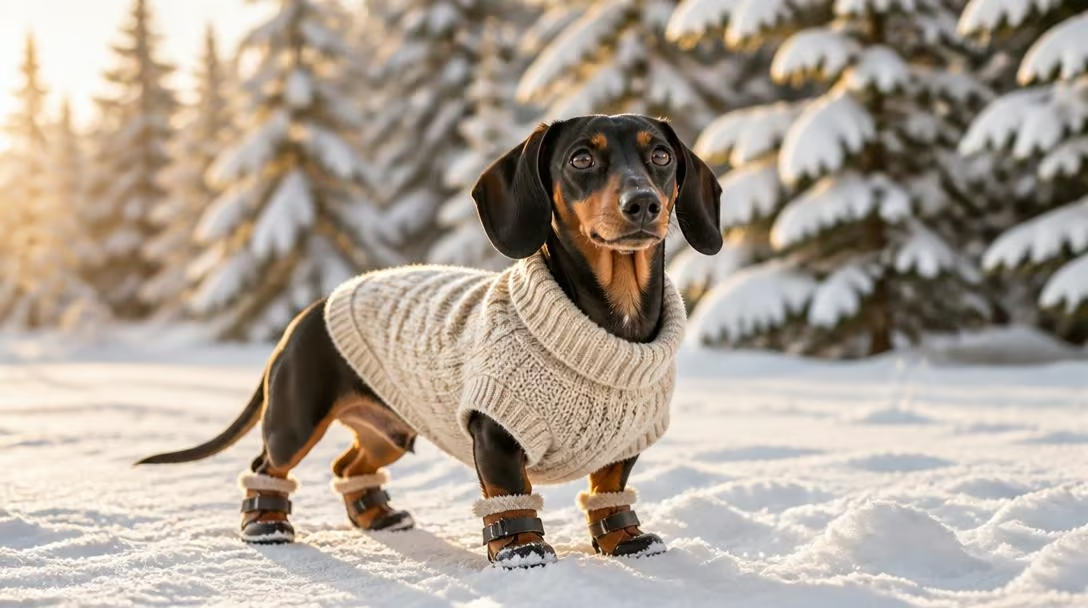
When temperatures drop, protective clothing for Dachshunds is essential to keep them warm and comfortable due to their short fur and close proximity to the ground.
Importance of a Warm Coat
A warm coat is critical for a Dachshund in cold weather. Look for a winter jacket or a fleece-lined coat that adequately covers from the neck to the base of the tail, preventing loss of body heat. Ensure it fits snugly without restricting movement.
Additional Accessories for Warmth
Besides a coat, consider dog booties to protect their paws from cold surfaces and potentially harmful substances such as road salts. Sweaters can be a comfortable layer under a coat for extra insulation.
Choosing the Right Winter Gear
To select appropriate winter gear:
- Coat/Sweater: Must allow full range of motion. Measure the length of your Dachshund’s back and their chest circumference for a correct fit.
- Boots: Look for a secure fit and non-slip soles. Test them indoors first to ensure they’re comfortable.
Remember, every dog is individual, so monitor their behavior while wearing clothes to ensure they’re at ease.
Dachshund Care in Winter

Proper care during winter ensures that Dachshunds remain healthy and comfortable. Specific attention should be paid to maintaining a warm environment, nutritional adjustments, and grooming that accommodates the colder climate.
Indoor Comfort and Activities
Dachshunds benefit from a warm indoor environment as they are prone to cold due to their short fur and closeness to the ground. Owners should provide a cozy bed and consider a doggy sweater for extra warmth. They can remain active indoors with suitable toys and games, which help to manage their energy levels and maintain their overall health.
- Indoor Temperature: Keep the house sufficiently heated to protect the dog from cold drafts.
- Activities: Engage them with indoor puzzles and toys to stimulate their mind and prevent boredom.
Nutritional Needs and Hydration
In winter, Dachshunds may require a diet adjustment to maintain their body fat, which helps insulate against the cold. Owners should ensure a balanced diet rich in nutrients. Proper hydration is pivotal, as pets may not feel as thirsty in cold weather but still need adequate water intake.
- Diet: Include high-quality proteins and fats to sustain their energy and warmth.
- Water: Ensure constant access to fresh, non-frozen water to encourage drinking.
Winter Grooming and Care
Regular grooming in winter helps to maintain the natural oils in a Dachshund’s coat, which are essential for insulation and skin health. Owners should avoid overbathing, which can strip these oils and lead to dry, irritated skin.
- Coat Care: Brush the coat regularly to distribute natural oils.
- Paw Protection: Clean and inspect their paws frequently for signs of irritation from ice and cold surfaces.
Adapting to Different Climates

Dachshunds can thrive in a variety of climates, but special attention is necessary to ensure their comfort and health.
Adjusting to Cold Climates
When dachshunds are exposed to colder climates, their physical characteristics necessitate specific considerations for their well-being. Their short coats provide less natural insulation compared to breeds with longer fur. Therefore, to maintain a comfortable body temperature, it is often recommended that they wear insulated dog coats during winter walks. Breathing in cold air can be tough on their small respiratory systems, so limiting their time outdoors during extreme cold is prudent, especially for puppies and senior dogs, who are more vulnerable to the chill.
Regular indoor exercise is beneficial to keep them active without exposure to the harsh elements outside. Moreover, providing a warm and draft-free sleeping area helps ensure they remain cozy when temperatures drop.
Addressing Seasonal Changes
Adaptation to seasonal changes for dachshunds involves both physical comfort and behavioral adjustments. As seasons transition, the change in temperature and daylight hours can affect dachshunds’ routines. To ensure they stay comfortable, gradual acclimation to temperature differences is important.
Throughout these changes, maintaining a stable indoor environment where dachshunds can feel secure and comfortable is essential. Adjusting their care routine with the changing climates will help them lead a healthy, happy life regardless of the season.

Safety Precautions for Snowy Environments
When it comes to keeping dachshunds safe in snowy environments, it is crucial to prevent overexposure to cold and injuries, use protective products, and recognize distress signals that may indicate the need for immediate attention.
Preventing Overexposure and Injuries
Dachshunds have short legs and elongated bodies, making them particularly susceptible to cold temperatures and injury in snow. They should not be left outside in the snow for extended periods. Overexposure can lead to hypothermia, indicated by excessive shivering and lethargy. To prevent injuries due to slipping or sharp ice, owners should supervise their outdoor activities closely. It’s advisable to clear a path free of ice and deep snow to allow safe elimination and play.
- Precautions to take:
- Limit time outside to prevent frost build-up on their coat.
- Monitor their activity to avoid strain on their backs or legs caused by deep snow.
Using Protective Products
Protective gear can significantly enhance a dachshund’s comfort and safety in snow. Boots are essential—they safeguard against harmful substances like salt and deicers, and provide traction to prevent slipping. Additionally, paw wax can be applied to their pads to protect against the chill and chemical burns from ice-melting agents.
- Recommended products:
- Water-resistant, well-fitted boots.
- Paw waxes or balms for additional pad protection.
Recognizing Distress Signals
Taking the time to learn if do dachshunds like snow will definitely help in preparing for winter adventures.
Dachshunds may not always vocalize discomfort, so owners need to be vigilant for non-verbal cues of distress. Whining or anxious barking can indicate they are not comfortable. Similarly, lifting paws off the ground might imply the snow is too cold for their feet or that ice may be causing pain. Any sign of discomfort should be addressed immediately by bringing them indoors or providing warmth.
- Distress signals include:
- Persistent whining or changes in vocalization.
- Lifting paws or reluctance to walk.
Breed Characteristics and Winter Resilience

Understanding how the unique anatomical features of dachshunds and their different coat types contribute to their resilience in winter conditions is important for their care during colder months.
Anatomical Features of Dachshunds
Dachshunds possess elongated bodies and short legs, a distinct appearance created by a genetic mutation known as chondrodysplasia. These characteristics, while iconic, impact their ability to maneuver through deep snow. Their long bodies are closer to the ground, which means their underbellies are more likely to come into contact with snow, potentially leading to a decrease in body temperature. Dachshunds also have a larger surface area along their belly relative to their volume, which can result in more heat loss in comparison to other breeds.
Coat Types and Insulation
Dachshunds have three main types of coats, which play a significant role in how well they can handle cold weather:
- Smooth Coat: This single-layered coat offers the least insulation.
- Wirehaired Coat: These dachshunds have a double coat with a soft undercoat beneath a harsher top coat, offering better insulation.
- Long-haired: The long-haired variety, with its thicker and often wavy fur, provides good insulation.
Insulation refers to the coat’s ability to retain heat. A dachshund with a double coat has better natural protection against the cold compared to those with a single-layer coat. The undercoat serves as an insulative layer trapping warm air close to the body, while the longer guard hairs of the outer coat help repel moisture and buffer against cold air. It’s especially relevant for wirehaired dachshunds who typically have this kind of double-layered insulation.
Regarding fur and insulation, a dachshund’s coat density and condition are essential for maintaining warmth. Healthy fur will add to insulation efficiency and overall resilience in winter weather. Regular grooming helps to maintain the coat’s insulative properties by removing mats and tangles that can compromise the fur’s ability to trap heat.
Health Considerations During Cold Months

During the winter months, health considerations for Dachshunds are paramount, with exercise and weight management taking on a critical role and monitored vigilance for signs of illness being indispensable.
Exercise and Weight Management
Dachshunds require consistent exercise to prevent obesity, which is particularly relevant as small dogs like Dachshunds are prone to weight gain especially during periods of limited outdoor activity. To maintain a healthy weight:
- Indoor play: Engage in indoor activities that stimulate movement, such as games and short training sessions.
- Regular schedules: Keep to a regular exercise schedule with brief outdoor walks, weather permitting.
Veterinarians often caution that obesity can lead to health issues such as diabetes. Hence, it’s important to monitor their food intake, considering a diet formula recommended for the colder months.
Monitoring for Signs of Illness
Dachshunds, with their small size and close proximity to the snow, can be vulnerable to cold weather illnesses such as pneumonia. Owners should be vigilant to:
- Observe: Watch for any coughing, lethargy, or changes in breathing patterns.
- Prompt reaction: If symptoms are noted, immediate veterinary attention is necessary.
A quick response to potential illness can prevent complications, ensuring the well-being of Dachshunds in cold weather. It is essential to keep them dry and warm to mitigate risks of cold-related health issues.
Enhancing Winter Experiences
The question of do dachshunds like snow is worth asking as winter approaches, helping to ensure a safe and enjoyable season.

Enhancing the winter experiences for dachshunds involves incorporating interactive play and ensuring a balance between outdoor and indoor activities. This approach not only answers the question, do dachshunds like snow, but also provides mental stimulation, leveraging the breed’s characteristics to maximize their enjoyment of the season.
Interactive Games and Training
Dachshunds, with their playful nature and need for mental stimulation, benefit greatly from interactive games. A simple game of fetch in the snow can combine the joys of outdoor activity with the benefits of exercise. Training exercises that encourage them to search for toys or treats in the snow can also be both enriching and entertaining.
- Fetch: Utilizing soft, brightly-colored toys for visibility against the snow.
- Search & Find: Hiding treats in safe, snow-covered areas prompts problem-solving skills.
Thus, before heading into a snowy environment, consider asking yourself, do dachshunds like snow? This helps to create a more enjoyable experience for your pet.
Outdoor and Indoor Balance
Maintaining a balance between outdoor and indoor activities ensures dachshunds don’t get too cold while still enjoying the stimuli of the winter season. Outdoor activity must be monitored to prevent overexposure to cold temperatures, while indoor play can continue to engage their inquisitive minds.
It’s essential to consider the dachshund’s short fur and low body heat retention when planning outdoor activities. They benefit from warm clothing to make their outdoor forays more comfortable. On the other hand, indoor environments should provide ample opportunity for continued play to fend off potential boredom. Always keep in mind: do dachshunds like snow?
It’s essential to consider the dachshund’s short fur and low body heat retention when planning outdoor activities. They benefit from warm clothing to make their outdoor forays more comfortable. On the other hand, indoor environments should provide ample opportunity for continued play to fend off potential boredom.
Therefore, it is important to ask, do dachshunds like snow? This awareness can significantly affect their overall winter enjoyment.
The question of do dachshunds like snow is worth asking as winter approaches, helping to ensure a safe and enjoyable season.
Therefore, it is important to ask, do dachshunds like snow? This awareness can significantly affect their overall winter enjoyment.