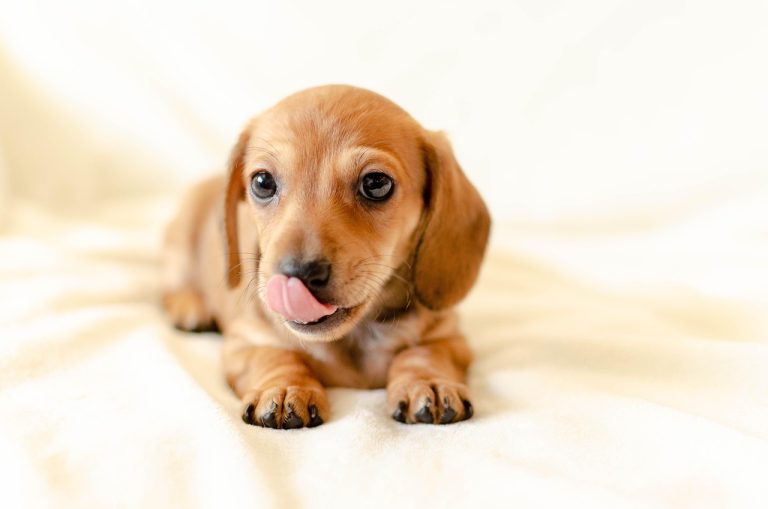
Dachshunds may look harmless with their small size and adorable appearance, but these little dogs can show surprising levels of aggression. Many owners are caught off guard when their friendly wiener dog starts growling, snapping, or biting at strangers, family members, or other pets. This behavior often stems from their hunting background and strong protective instincts.

Dachshund aggression is manageable through proper training, socialization, and understanding the root causes that trigger these behaviors. The key lies in recognizing warning signs early and addressing them with the right approach. Fear-based reactions, territorial behavior, and resource guarding are common forms of aggression seen in this breed.
Understanding why dachshunds become aggressive helps owners create better training plans and safer environments. With patience and consistent effort, most aggressive behaviors can be reduced or eliminated entirely. Professional help may be needed for severe cases, but many owners can successfully manage mild to moderate aggression issues at home.
Key Takeaways
- Dachshund aggression often comes from fear, territorial instincts, or lack of proper socialization during puppyhood
- Early recognition of warning signs like growling, stiff body language, and resource guarding helps prevent escalation
- Positive training methods, consistent boundaries, and professional guidance when needed can effectively reduce aggressive behaviors
Are Dachshunds Aggressive?

Dachshunds can display aggressive behavior, but this stems from their hunting heritage rather than inherent meanness. Many behaviors labeled as aggression are actually normal responses that have been misunderstood by owners.
Breed Background and Instincts
Dachshunds were bred over 600 years ago in Germany to hunt badgers. These dogs needed specific traits to succeed in their dangerous job.
Key hunting traits include:
- Fearless nature when facing threats
- Strong prey drive for tracking animals
- Stubborn persistence during long hunts
- Independence when working alone
Their low-set bodies allowed them to dig into badger dens. They had to be brave enough to fight sharp-toothed prey underground.
These same instincts show up in modern pet dachshunds. What looks like aggression is often just natural hunting behavior coming out.
Small dog breeds also tend to be more defensive. They may act tough to make up for their size when facing bigger animals or people.
The protective instincts that made them good hunters now make them excellent watchdogs. However, without proper training, these instincts can become problematic behaviors.
Common Misconceptions
Many pet owners wrongly think their dachshunds are aggressive when they see normal dog behaviors. Barking, growling, and being unsure around strangers are often stress responses, not true aggression.
Real aggression involves intent to harm. Most dachshund “aggressive” behaviors are actually:
- Fear responses when feeling threatened
- Territorial behavior protecting their home
- Excitement during play or new situations
- Communication trying to tell owners something
Puppy behaviors often get mislabeled too. Young dachshunds may bite during teething or play rough with siblings. These are normal development stages.
An aggressive dachshund shows specific warning signs. These include pinned-back ears, stiff body posture, and direct staring before attacking.
Understanding the difference helps owners respond correctly. Fear-based reactions need gentle reassurance. True aggression requires professional training help.
Prevalence Compared to Other Breeds
A University of Pennsylvania study tested 32 dog breeds for biting behavior. Dachshunds ranked first, ahead of Chihuahuas and Jack Russell Terriers.
This surprised many people who expected larger breeds like Rottweilers or Pit Bulls to top the list. However, the results don’t tell the whole story.
Important factors to consider:
- Small dog bites get reported less often
- Dachshund bites cause less damage than large dog bites
- Many incidents involve untrained or poorly socialized dogs
The study shows aggressive behavior exists in dachshunds more than expected. But it doesn’t mean they’re naturally mean dogs.
Male dachshunds show more aggression than females. Male-to-male conflicts are the most common type of aggressive behavior in this breed.
Most dachshund aggression problems can be prevented. Early socialization and proper training address the root causes before they become serious issues.
The breed’s intelligence makes them very trainable when owners use the right methods.
Types of Aggression Seen in Dachshunds

Dachshunds display several distinct types of aggressive behavior, each with unique triggers and warning signs. These behaviors stem from their hunting background, protective instincts, and individual experiences that shape their responses to different situations.
Fear-Based Aggression
Fear-based aggression happens when a dachshund feels trapped or threatened with no way to escape. This type of aggression is a defensive response rather than an attack behavior.
Common triggers include loud noises, unfamiliar people approaching too quickly, or being cornered in small spaces. Dachshunds may also show fear aggression after bad experiences at the vet or grooming salon.
Warning signs of fear-based aggression:
- Cowering or backing away
- Trembling or shaking
- Tucked tail and flattened ears
- Growling while trying to hide
- Snapping when touched suddenly
Dogs showing fear aggression often give clear body language warnings before they bite. They prefer to run away rather than fight when possible.
Territorial Aggression
Dachshunds were bred to hunt in dens and protect their territory from intruders. This makes them naturally protective of their home space.
Territorial aggression shows up most often at doorways, windows, and property boundaries. The dog sees strangers as threats to their family and living space.
These dogs typically bark aggressively at delivery drivers, mailmen, or visitors approaching the house. They may also guard their yard from other dogs walking by on the street.
Key characteristics include:
- Alert, stiff posture when strangers approach
- Intense barking at doors and windows
- Lunging toward perceived intruders
- Calm behavior once the “threat” leaves
This behavior often gets worse if owners accidentally reward the barking by giving attention during episodes.
Resource Guarding
Resource guarding happens when dachshunds protect items they value from being taken away. This behavior comes from their survival instincts to keep important resources safe.
Common guarded items include food bowls, favorite toys, bones, and comfortable sleeping spots like beds or sofas. Some dachshunds also guard their owners from other pets or family members.
The aggression usually starts mild and gets worse if the behavior goes uncorrected. Dogs may begin with stiff body language and progress to growling, snapping, or biting.
Typical guarding behaviors:
- Eating faster when people approach
- Standing over food or toys
- Growling when someone reaches toward valued items
- Freezing in place with hard stare
- Snapping if someone tries to take the item
Early training helps prevent resource guarding from becoming a serious problem.
Dominance and Redirected Aggression
Dominance aggression occurs when dachshunds try to control situations or assert authority over family members. This often relates to small dog syndrome, where tiny dogs act overly assertive.
These dogs may resist commands, push boundaries, or challenge authority figures in the household. They might growl when asked to move from furniture or refuse to follow basic rules.
Redirected aggression happens when a dachshund gets frustrated about one thing but takes it out on something else nearby. For example, a dog excited by another dog outside might turn and snap at a family member instead.
Signs of dominance issues:
- Refusing to obey known commands
- Blocking doorways or pathways
- Mounting other dogs or people
- Stealing food or items boldly
Redirected aggression often occurs during high-stress situations when the dog cannot reach their intended target. Consistent training and clear boundaries help manage both types of aggressive responses.
Recognizing Warning Signs and Triggers
Understanding dachshund aggression starts with spotting early warning signs in body language and identifying specific situations that trigger aggressive responses. Quick recognition allows owners to intervene before behaviors escalate into serious problems.
Body Language and Behavioral Changes
Aggressive dachshunds display clear physical warning signs before escalating their behavior. Cold, hard eyes and a tense body posture are often the first indicators of trouble.
Watch for these key body language signals:
- Raised hackles – fur standing up along the back and neck
- Stiff, frozen posture with weight shifted forward
- Lip curling or showing teeth
- Direct, intense staring at the target
- Tail held high and rigid or tucked tightly under
Vocal warnings typically follow visual cues. Growling serves as a clear communication that the dog feels threatened or defensive. Snarling often comes next if the perceived threat continues.
Behavioral changes can be subtle at first. Some dachshunds become unusually quiet or withdrawn before showing aggression. Others may pace, pant excessively, or refuse treats they normally enjoy.
Guarding behaviors around food, toys, or favorite spots often signal developing aggression issues. The dog may position themselves between their resource and approaching people or animals.
Situational Triggers
Aggression in dogs often stems from specific situations or environments that make them feel unsafe or stressed. Identifying these triggers helps prevent aggressive episodes.
Common situational triggers include:
| Trigger Type | Examples |
|---|---|
| Territorial | Strangers at the door, mailman visits, other dogs in yard |
| Resource-based | Food bowls, favorite toys, sleeping areas, owner attention |
| Fear-based | Loud noises, unfamiliar people, veterinary visits, grooming |
| Pain-related | Being touched when injured, arthritis flare-ups, illness |
Many dachshunds show aggression when they feel cornered or trapped. Small spaces like corners, under furniture, or on leashes can intensify their defensive responses.
Overstimulation during play or social interactions can quickly shift into aggressive behavior. This happens more often with excited children or multiple dogs present.
Changes in routine or environment may trigger stress-related aggression. Moving homes, new family members, or altered feeding schedules can create anxiety that leads to defensive behaviors.
Early Intervention Strategies
Stopping dachshund aggression requires immediate action when warning signs appear. The key is redirecting attention before the behavior escalates further.
Remove the trigger as quickly as possible when early warning signs appear. Create distance between the dog and whatever is causing stress or fear.
Use calm, firm commands like “sit” or “stay” to redirect focus. Avoid shouting or punishing, which often makes aggression worse.
Counter-conditioning helps change emotional responses to triggers over time. Pair scary or stressful situations with positive experiences like treats or play.
Consistent training with desensitization techniques gradually exposes the dog to triggers at low intensity levels. This builds tolerance and reduces reactive responses.
Professional help becomes necessary when aggression involves biting or when owners feel unsafe. Dog trainers experienced with aggressive behaviors can provide specialized guidance and training plans.
Underlying Causes of Dachshund Aggression
Dachshund aggression stems from three main sources: inherited traits from their hunting background, environmental stressors and poor socialization, and underlying health problems that cause discomfort or pain.
Genetics and Breed Traits
Dachshunds were originally bred as hunting dogs to track and kill badgers in underground burrows. This breeding history created dogs with strong prey drives and fearless attitudes toward larger animals.
Their genetic makeup includes traits like territoriality and resource guarding. These behaviors helped them survive as working dogs but can become problematic in family settings.
Common genetic influences on aggression include:
- High prey drive toward small animals
- Territorial instincts to protect their space
- Dominance behaviors with other dogs
- Protective instincts toward their family
The elongated spine and short legs also affect their behavior. Dachshunds may feel vulnerable due to their body structure. This can make them more defensive or reactive in certain situations.
Not all dachshunds inherit aggressive tendencies equally. Some bloodlines may show more aggressive traits than others. However, genetics alone do not determine a dog’s behavior.
Environmental and Social Factors
Poor socialization during puppyhood creates many aggression problems in dachshunds. Dogs that miss critical socialization periods between 3-16 weeks old often develop fear-based aggression.
Environmental triggers that cause dachshund aggression:
- Loud noises like thunderstorms or fireworks
- Unfamiliar people entering their territory
- Changes in daily routine or living situation
- Lack of mental stimulation and exercise
- Inconsistent training methods
Dachshunds are sensitive to their surroundings. Stressful environments can make them more likely to react aggressively. Moving to a new home or adding new family members can trigger behavioral changes.
Inadequate socialization leads to:
- Fear of strangers
- Reactivity toward other dogs
- Anxiety in new situations
- Defensive biting or snapping
Owners who use punishment-based training methods may worsen aggression problems. Fear and anxiety increase when dogs expect negative consequences for their actions.
Medical Issues and Pain
Physical discomfort often causes sudden changes in a dachshund’s behavior. Dogs cannot communicate pain the way humans do, so they may bite or snap when touched in painful areas.
Common medical causes of aggression include:
| Condition | How It Affects Behavior |
|---|---|
| Back pain | Makes dogs defensive about being picked up |
| Dental problems | Causes face-touching sensitivity |
| Arthritis | Creates pain when moving or being touched |
| Thyroid issues | Affects mood and energy levels |
| Eye problems | Makes dogs startle easily |
Dachshunds are particularly prone to intervertebral disc disease (IVDD) due to their long spines. This painful condition can make friendly dogs suddenly aggressive when handled.
Hormonal imbalances also affect behavior. Thyroid dysfunction can cause mood swings and increased irritability in dogs.
Age-related cognitive decline may cause confusion and fear in older dachshunds. Dogs with dementia may not recognize familiar people and react defensively.
Veterinary examination should always be the first step when aggression appears suddenly. Many behavioral problems resolve once underlying medical issues receive proper treatment.
Prevention Strategies and Socialization
Proper socialization during puppyhood is the most effective way to prevent dachshund aggression. Early exposure to different people, animals, and environments builds confidence and reduces fear-based reactions that often lead to aggressive behavior.
Early Socialization Techniques
The critical socialization period for dachshunds occurs between 3 and 16 weeks of age. During this time, puppies should be exposed to various sounds, textures, and experiences.
Owners should introduce their dachshund puppy to different floor surfaces like carpet, hardwood, and grass. They can play recordings of common household sounds at low volumes and gradually increase them.
Key socialization activities include:
- Meeting people of different ages and appearances
- Experiencing car rides and outdoor environments
- Encountering various household objects and sounds
- Supervised interactions with vaccinated, friendly dogs
Positive reinforcement should accompany each new experience. Owners can offer treats and praise when their puppy remains calm during new encounters.
Short, frequent exposure sessions work better than long ones. Sessions should last 5-10 minutes to avoid overwhelming the puppy.
Introducing New People and Pets
Controlled introductions help prevent territorial and fear-based aggression in dachshunds. The process requires patience and careful planning to ensure success.
When introducing new people, owners should have visitors ignore the dog initially. They should sit quietly and let the dachshund approach at their own pace.
Steps for introducing new people:
- Start with the person sitting across the room
- Have them toss treats without making eye contact
- Allow the dachshund to approach gradually
- Reward calm, friendly behavior with treats and praise
For pet introductions, neutral territory works best. Dogs should meet on leash in an open area away from the home. Owners should keep initial meetings brief and positive.
Multiple short meetings over several days help dogs become comfortable with each other. Each dog should have their own space and resources to prevent competition.
Managing Small Dog Syndrome
Small dog syndrome occurs when dachshunds develop aggressive behaviors because owners treat them differently due to their size. This condition often leads to dominance issues and territorial aggression.
Owners must set consistent rules and boundaries regardless of their dachshund’s small stature. They should not carry their dog to avoid other dogs or people, as this reinforces fearful behavior.
Prevention strategies include:
- Teaching basic obedience commands like “sit” and “stay”
- Making the dog walk on their own four paws
- Not allowing aggressive behavior toward larger dogs
- Correcting pushy or demanding behaviors immediately
Dachshunds should earn attention, food, and privileges through good behavior. Owners who give in to demanding or aggressive behaviors accidentally reinforce these problems.
Regular training sessions using positive reinforcement help establish proper hierarchy. Dogs learn they must follow rules and respect boundaries to receive rewards.
Effective Training and Management Methods
The most successful approaches to reducing dachshund aggression focus on rewarding calm behavior, maintaining consistent rules, and gradually changing your dog’s emotional response to triggers. These methods work together to create lasting behavioral changes.
Positive Reinforcement Training Approaches
Positive reinforcement training forms the foundation of effective aggression management. This method rewards desired behaviors with treats, praise, or play instead of punishing unwanted actions.
Reward calm behavior immediately when your dachshund stays relaxed around triggers. Give treats, verbal praise, or toy play within seconds of the good behavior.
Focus on basic commands like “sit,” “stay,” and “leave it.” These commands redirect attention away from aggressive triggers. Practice these daily in calm settings first.
Use high-value treats that your dachshund finds irresistible. Cheese, chicken, or special training treats work better than regular kibble.
Timing matters most in positive reinforcement training. Mark the exact moment your dog shows calm behavior with a “yes” or clicker sound, then reward.
Avoid punishment-based methods like yelling or physical corrections. These can increase fear and make aggression worse.
Setting Boundaries and Consistency
Clear boundaries help dachshunds understand what behaviors are acceptable. Consistency from all family members prevents confusion and faster progress.
Establish house rules that everyone follows. Decide if the dog can be on furniture, where they eat, and how they greet visitors.
Use the same commands for specific behaviors. If one person says “down” and another says “lie down,” the dog gets mixed signals.
Create daily routines for feeding, walks, and training sessions. Predictable schedules reduce anxiety that can trigger aggressive responses.
Set up management tools like baby gates or crates. These create safe spaces and prevent access to triggers while training progresses.
All family members must respond to aggressive behavior the same way. Mixed reactions confuse the dog and slow improvement.
Desensitization and Counterconditioning
These techniques gradually change your dachshund’s emotional response to triggers. Desensitization reduces the intensity of reactions while counterconditioning creates positive associations.
Start at a distance where your dog notices the trigger but stays calm. This might be seeing another dog from across the street instead of up close.
Pair the trigger with good things like treats or play. When your dachshund sees the trigger, immediately give rewards before any aggressive reaction starts.
Move closer very slowly over multiple training sessions. Only decrease distance when your dog consistently stays calm at the current level.
Practice short sessions of 5-10 minutes to prevent overwhelming your dachshund. Multiple brief sessions work better than long training periods.
Watch for early warning signs like stiffening or staring. End the session and increase distance if you see these signals before aggression starts.
When to Seek Professional Help
Some dachshund aggression cases require expert intervention from trained professionals. Serious or persistent aggressive behaviors need specialized assessment and treatment plans that go beyond basic training methods.
Role of a Professional Dog Trainer
A certified dog trainer brings structured methods to address dachshund aggression through proven techniques. They assess the specific triggers causing aggressive behavior and create custom training plans.
Professional trainers teach essential commands like “sit,” “stay,” and “leave it” that help control aggressive outbursts. These commands give owners tools to redirect their dachshund’s attention during tense situations.
Key benefits of professional training include:
- Personalized behavior modification plans
- Hands-on guidance for owners
- Group socialization classes
- Follow-up support sessions
Trainers use positive reinforcement methods that reward calm behavior instead of punishing aggression. This approach builds trust between the dog and owner while reducing fear-based reactions.
Most trainers offer both private sessions and group classes. Private sessions work best for severe aggression cases that need individual attention.
Consulting an Animal Behaviorist
An animal behaviorist provides deeper analysis of complex aggression patterns that basic training cannot address. They hold advanced degrees in animal behavior and understand the science behind aggressive responses.
Behaviorists conduct thorough evaluations to identify root causes of aggression. They examine the dog’s history, environment, and specific trigger patterns to create detailed treatment plans.
When to contact a behaviorist:
- Aggression toward family members
- Unpredictable or severe biting
- Multiple failed training attempts
- Fear-based aggression issues
These specialists work closely with veterinarians to rule out medical causes. They also provide long-term support as the dog progresses through behavior modification programs.
Behaviorists often recommend specific environmental changes alongside training protocols. This might include adjusting the dog’s living space or daily routine to reduce stress triggers.
When Medical Evaluation Is Needed
Medical issues often cause sudden or unexplained aggression in dachshunds. Pain from back problems, common in this breed, can make dogs defensive and snappy.
Medical conditions that trigger aggression:
- Spinal disc disease
- Hip dysplasia
- Thyroid disorders
- Neurological problems
- Hormonal imbalances
A veterinary examination should happen before starting any behavior modification program. Blood tests can reveal thyroid problems or other hormonal issues affecting mood and behavior.
Older dachshunds may develop cognitive dysfunction that causes confusion and aggression. This condition requires medical management along with behavioral support.
Some medications can help reduce anxiety-based aggression when combined with training. Anti-anxiety drugs or pain management medications may be necessary for successful behavior modification.
Schedule immediate veterinary care if aggression appears suddenly in a previously calm dog. This often signals an underlying medical problem that needs prompt treatment.
Frequently Asked Questions
Dachshund owners often face specific challenges when dealing with aggressive behaviors. Understanding proper training techniques, addressing triggers, and knowing when professional help is needed can make a significant difference in managing these situations effectively.
How can I address aggression in my Dachshund towards other animals?
Gradual exposure and controlled socialization help reduce animal-directed aggression. Owners should keep their Dachshund on a leash during introductions to maintain control.
Start with distant exposure to other animals where the dog remains calm. Reward peaceful behavior with treats and praise immediately.
If the Dachshund shows signs of resource guarding around other pets, feed animals separately. Remove toys and high-value items that trigger possessive behaviors.
Spaying or neutering can reduce hormone-driven aggression toward other dogs. This is especially important during mating seasons when territorial behaviors increase.
Professional dog trainers can help with severe cases. They use desensitization techniques to gradually change the dog’s response to other animals.
What are effective methods for preventing a Dachshund from being aggressive towards humans?
Early socialization prevents most human-directed aggression in Dachshunds. Expose puppies to different people, ages, and situations during their first few months.
Establish clear boundaries and consistent rules from day one. Dogs need to understand their place in the family structure without harsh punishment.
Teach children proper interaction with the Dachshund. No pulling ears, taking food, or disturbing the dog while sleeping or eating.
Use positive reinforcement training methods only. Punishment can increase fear and make aggression worse over time.
Address fear-based triggers by creating positive associations. If the dog fears strangers, have visitors give treats while maintaining distance.
Are there specific techniques to reduce aggression in miniature Dachshunds?
Miniature Dachshunds respond well to the same training methods as standard-sized dogs. Their small size does not require different aggression management techniques.
Avoid treating miniature Dachshunds differently because of their size. They still need proper training and boundaries like larger dogs.
Focus on building confidence through positive experiences. Small dogs often develop aggression from feeling vulnerable or overwhelmed.
Ensure adequate daily exercise despite their size. Bored or frustrated miniature Dachshunds may show more aggressive behaviors.
Consistent training sessions work better than long ones. Keep training periods short but frequent for best results.
What should I do if my Dachshund is acting aggressively towards strangers?
Remove the dog from the triggering situation immediately. Create distance between the Dachshund and the stranger to prevent escalation.
Stay calm and avoid yelling or punishing the dog. Emotional reactions from owners can make the aggression worse.
Use a favorite toy or treat to redirect the dog’s attention. This helps shift focus away from the perceived threat.
Gradually expose the dog to strangers at a comfortable distance. Reward calm behavior and slowly decrease the distance over time.
Consider professional help if stranger aggression persists. A certified dog behaviorist can create a specific training plan for the situation.
Can aggression in Dachshunds be linked to genetic conditions such as rage syndrome?
True rage syndrome is extremely rare in Dachshunds. Most aggressive behaviors have identifiable triggers and environmental causes rather than genetic ones.
Genetics can influence temperament but do not solely determine aggressive behavior. Environmental factors and training play larger roles in most cases.
Sudden personality changes may indicate health problems rather than rage syndrome. Pain from back issues or other conditions can cause irritability and aggression.
Consult a veterinarian if aggression appears without clear triggers. Medical examinations can rule out underlying health conditions causing behavioral changes.
Proper breeding practices reduce the likelihood of genetic behavioral issues. Reputable breeders screen for temperament problems in breeding lines.
What training strategies can help in managing a Dachshund’s aggressive behavior?
Positive reinforcement training works best for reducing aggression. Reward calm, non-aggressive behaviors with treats, praise, and play time.
Teach basic obedience commands like “sit,” “stay,” and “leave it.” These commands help redirect attention during potentially aggressive situations.
Use desensitization and counterconditioning techniques for specific triggers. Gradually expose the dog to triggers while creating positive associations.
Maintain consistent training schedules and rules. All family members should use the same commands and reward systems.
Provide regular mental and physical exercise to reduce frustration. Tired, mentally stimulated dogs show fewer aggressive behaviors overall.